World · India Bureau
Two-million-year-old fossil reveals early human species in southern Africa
New analysis of 18 previously undiscovered hominin fossils from South Africa has provided fresh evidence of Homo erectus inhabiting the region around 2 million years ago. The findings offer significant insights into the evolutionary history of early human ancestors in Africa.
LSN India ·
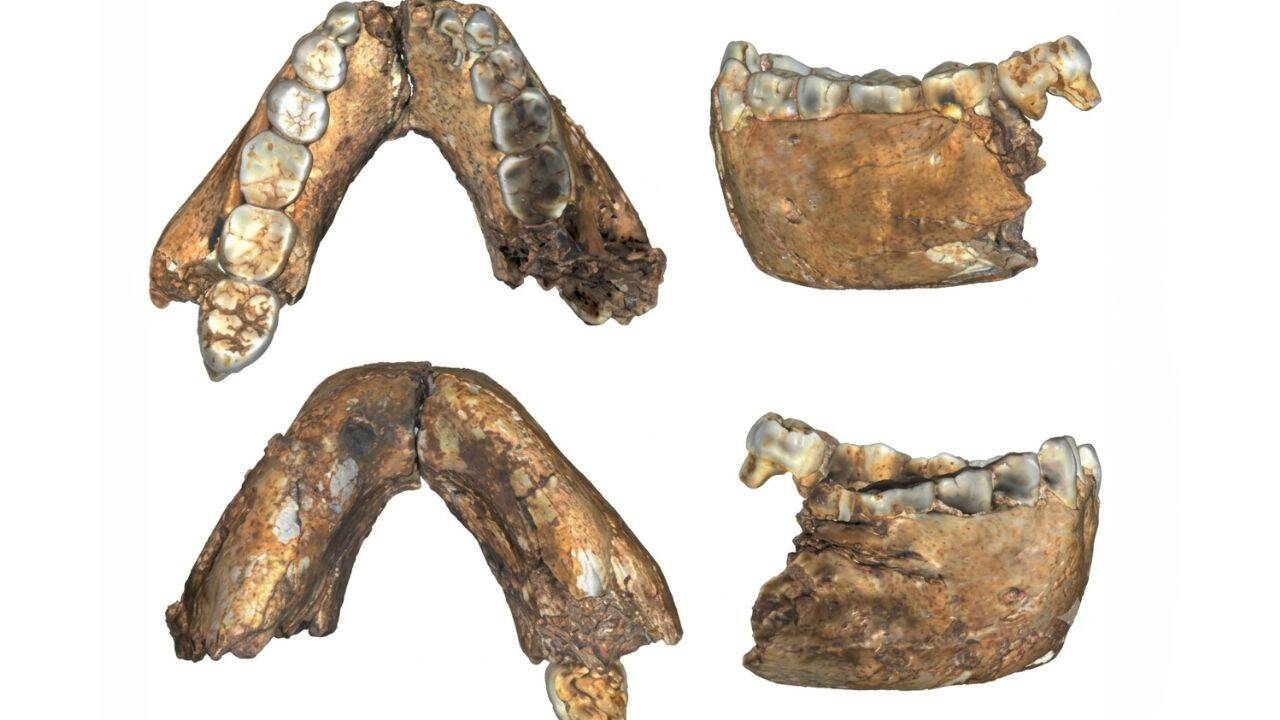
Researchers studying hominin remains from South African archaeological sites have identified an adult Homo erectus specimen dated to approximately 2 million years ago, marking a major contribution to understanding when this species first emerged in the southern African region.
The analysis encompasses 18 previously unpublished fossils that shed light on early human evolution during a critical period. The adult Homo erectus fossil provides direct evidence supporting the theory that this species appeared in southern Africa during the early Pleistocene epoch, helping establish a clearer timeline of human ancestry on the continent.
Beyond confirming Homo erectus presence, the fossil collection has revealed evidence of microevolution within Paranthropus robustus, an extinct hominin species that coexisted in the region. This discovery demonstrates how early human-related species adapted and changed over time in response to their African environment.
The findings underscore South Africa's significance as a crucial site for understanding human origins. The region has long yielded important fossil evidence, and these newly analyzed specimens contribute to the growing body of knowledge about how early human ancestors dispersed across Africa and adapted to various ecological conditions during the early stages of the genus Homo.