Business · India Bureau
Tyre Industry Prepares for Stricter BS-VII Abrasion Standards from 2031
Indian tyre manufacturers are gearing up for new emission-control regulations set to take effect in April 2031, though industry players are calling for clarity on testing methodologies. The stricter BS-VII abrasion norms are expected to spur significant research and development spending even as raw material costs remain elevated.
LSN India ·
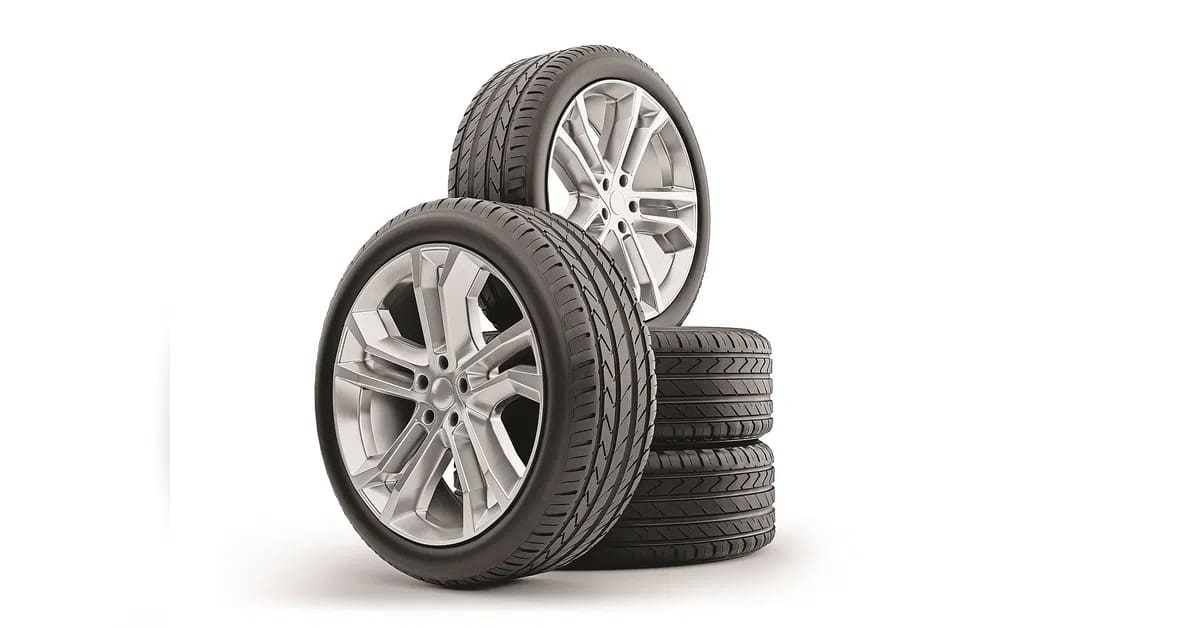
The Indian tyre sector is bracing for a significant regulatory shift as new BS-VII abrasion standards loom on the horizon. Scheduled to come into force in April 2031, these norms aim to reduce particulate matter emissions from vehicle tyres, marking an important step in the country's environmental compliance framework. Industry stakeholders acknowledge the necessity of these measures while emphasizing the need for transparent and well-defined testing protocols to ensure a level playing field.
Manufacturers have signalled their readiness to invest in research and development to meet the forthcoming requirements. However, uncertainty surrounding the exact testing procedures and measurement standards has prompted the industry to seek greater clarity from regulatory authorities. Industry representatives argue that well-defined guidelines will enable companies to plan their investments more effectively and avoid costly revisions to production processes.
The transition to BS-VII compliance comes at a challenging time for the sector, with tyre makers already grappling with volatile raw material costs. Natural rubber, synthetic rubber, and other key inputs have experienced significant price fluctuations, pressuring manufacturers' margins. The dual challenge of meeting stricter environmental standards while managing input costs is expected to reshape industry dynamics and consolidate innovation efforts across the sector.
Industry bodies and tyre manufacturers have indicated they are preparing technical roadmaps and engaging with regulators to ensure smooth implementation. The four-year window before the April 2031 deadline provides an opportunity for the industry to develop compliant products and establish manufacturing processes that align with the new standards, though industry consensus underscores the importance of early regulatory clarity for effective preparation.