World · World News Bureau
U.S. eyes renewed Central Asia influence through pragmatic engagement
Secretary of State Marco Rubio's visit to Uzbekistan signals Washington's effort to reassert its role in Central Asia through a transactional approach. The trip reflects broader American strategy to compete for influence in a region increasingly courted by multiple global powers.
LSN World News ·
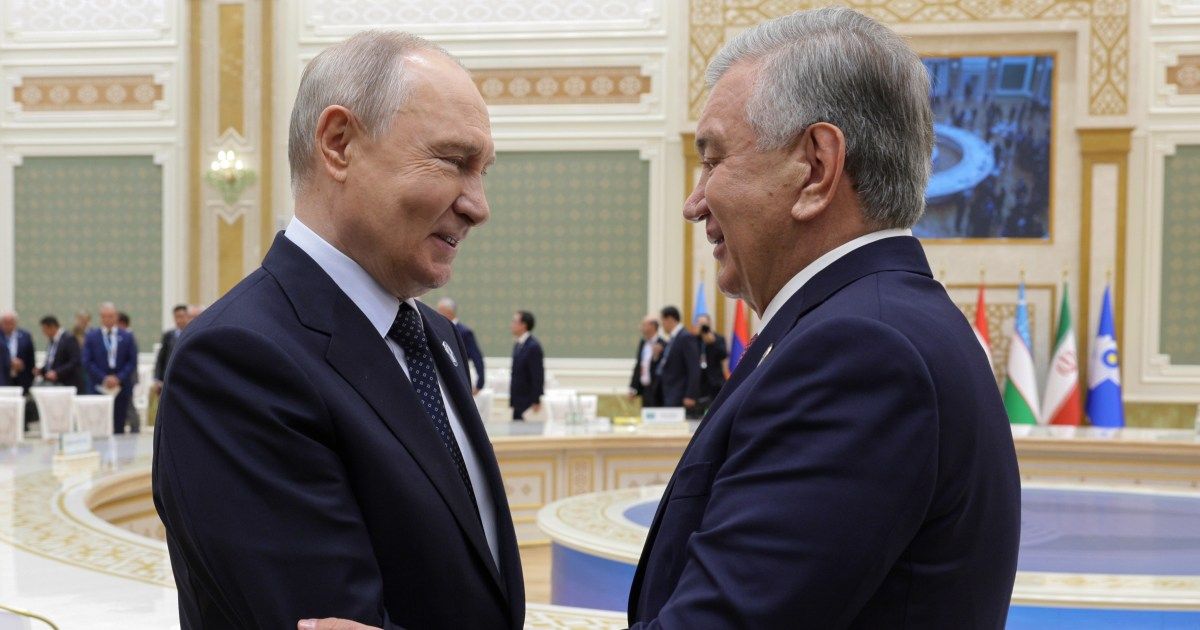
The United States is pursuing a more direct, interest-based approach to Central Asia, moving away from ideological positioning to emphasize mutual economic and security benefits. Rubio's engagement in Uzbekistan underscores this shift, as Washington seeks to rebuild diplomatic and strategic ties that have atrophied in recent years across the region.
Central Asian nations have grown more selective about their international partnerships, balancing competing interests from Russia, China, and Western powers. Countries like Uzbekistan have demonstrated willingness to diversify their foreign relationships, creating openings for nations that offer concrete advantages without imposing broader political conditions.
The U.S. approach emphasizes trade, energy cooperation, and security partnerships tailored to individual nations' priorities. This pragmatic strategy contrasts with earlier American efforts focused on democracy promotion and governance standards, reflecting recognition that regional governments respond more readily to partnerships addressing immediate national interests.
Washington faces significant headwinds in reasserting influence, particularly given China's economic dominance and Russia's historical ties to the region. Success will likely depend on demonstrating tangible benefits to Central Asian partners and maintaining consistent engagement rather than sporadic diplomatic attention.