Politics · World News Bureau
U.S. farmers face economic pressure amid political crossroads
Rural communities in Trump-backing states are grappling with mounting agricultural costs and trade uncertainties as midterm elections loom. The economic strain is testing traditional political allegiances in farming regions.
LSN World News ·
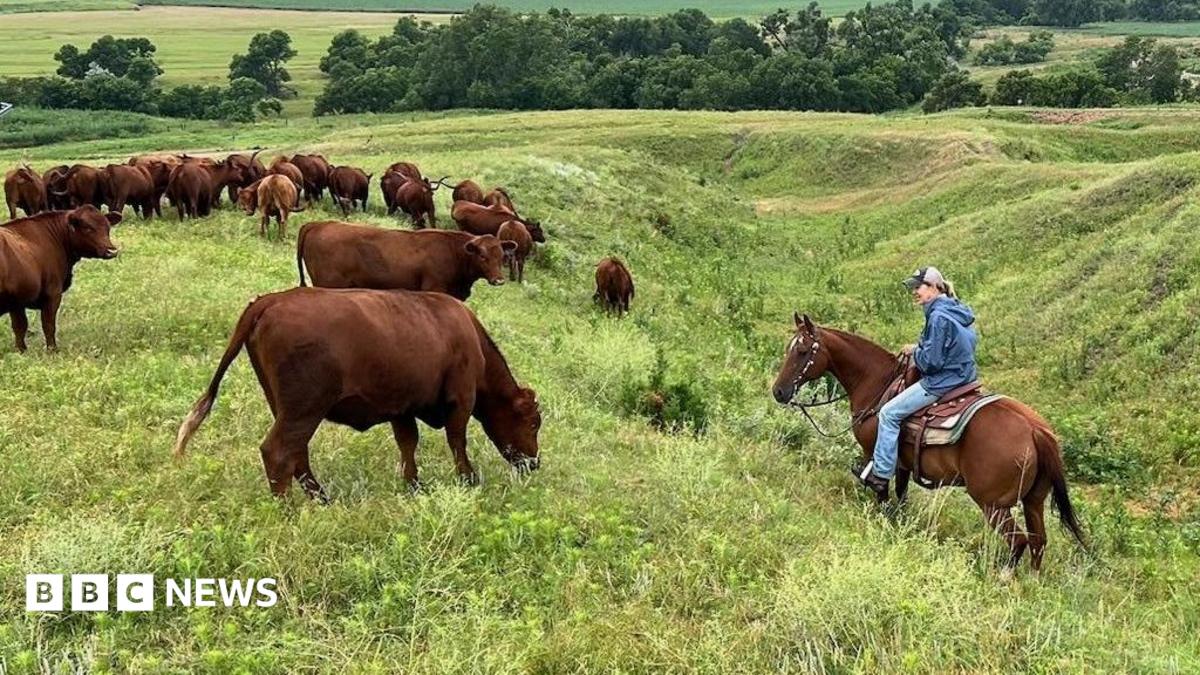
American farmers in traditionally conservative states are navigating unprecedented economic headwinds, including elevated input costs, trade tensions, and commodity price volatility. The agricultural sector, which has historically aligned with Republican candidates, faces a critical juncture as midterm elections approach within weeks.
Ranching and farming operations across key electoral states are reporting significant pressure on profit margins. Rising fuel prices, feed costs, and equipment expenses have squeezed operations that were already managing the effects of prolonged trade disputes and supply chain disruptions. Many producers report that margins have contracted despite maintaining or increasing production levels.
The economic difficulties present a complex political dynamic in rural areas. While farming communities have traditionally supported Republican candidates, economic hardship is prompting some agricultural leaders to reassess their political priorities and voting calculations. The tension between ideological preferences and immediate economic concerns has become particularly acute as families weigh household finances against broader political considerations.
Agricultural economists note that the sector's challenges reflect broader inflationary pressures affecting the U.S. economy. Input costs remain elevated, and uncertainty surrounding trade policy continues to affect market conditions. For many farming operations, the outcome of upcoming elections could significantly influence future agricultural policy, subsidies, and trade relationships.
The midterm elections will reveal whether economic hardship reshapes political loyalties in rural America or whether other factors maintain traditional voting patterns in agricultural communities.