Politics · India Bureau
U.S. Midterm Shifts May Accelerate India Trade Talks, Tariff Pressure
As President Trump faces reduced congressional support following midterm elections, trade analysts expect intensified tariff threats on India to expedite bilateral trade negotiations. Indian negotiators are positioned to leverage the political dynamics for a more favorable agreement.
LSN India ·
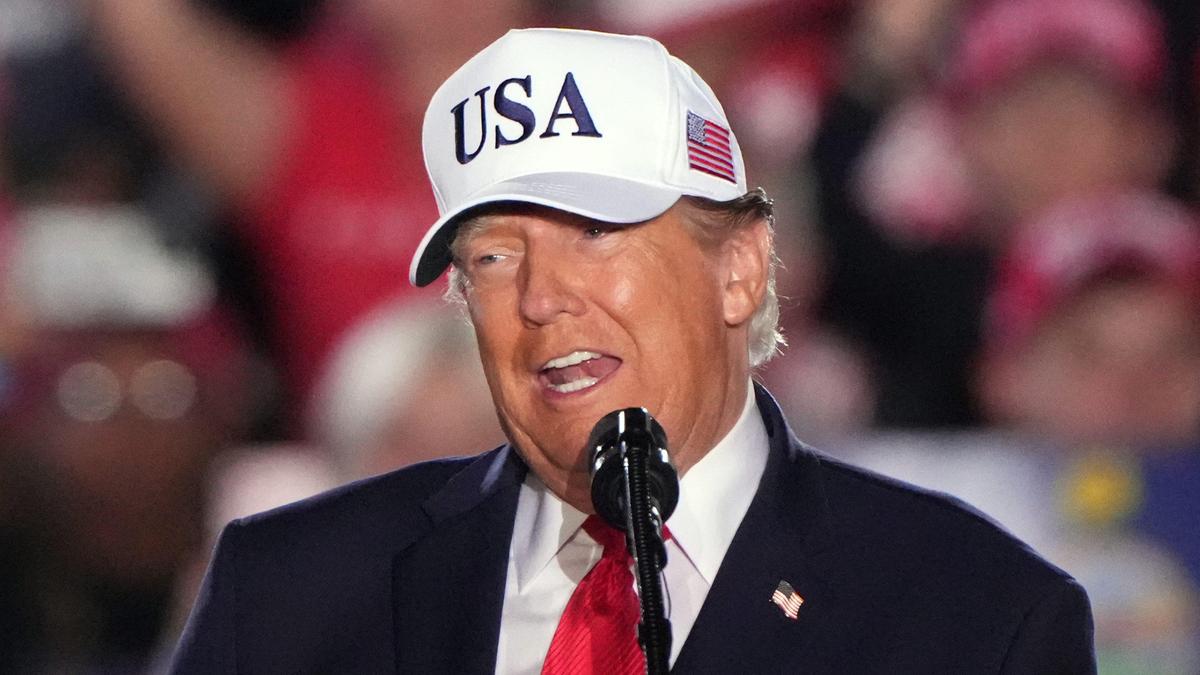
Trade and geopolitical experts anticipate that the U.S. midterm election results will reshape Washington's approach to India, with tariff pressure becoming a more prominent negotiating tool. The shift in congressional control is expected to embolden the Trump administration to pursue aggressive trade tactics, including potential tariff actions targeting Indian exports, as a means to demonstrate policy wins ahead of the 2024 presidential cycle.
For New Delhi, the altered political landscape in Washington presents both challenges and opportunities. Indian negotiators are reportedly viewing the situation as a potential opening to secure a more advantageous trade agreement, as the administration's eagerness to clinch deals may create room for compromise on contentious issues. Analysts note that the urgency to achieve tangible trade outcomes could work in India's favor during talks.
The anticipated acceleration of trade discussions comes as bilateral relations have historically centered on agricultural products, intellectual property, and market access. Experts caution that while faster negotiations could yield results, Indian exporters face heightened uncertainty regarding tariff threats, particularly in sectors such as pharmaceuticals and information technology services that have substantial U.S. exposure.
Both nations have signaled interest in concluding a comprehensive trade agreement, with previous rounds of talks covering manufacturing incentives and intellectual property protections. How the midterm dynamics ultimately influence the pace and terms of negotiations remains to be seen, though strategists expect the coming months to prove decisive for bilateral trade relations.