Politics · India Bureau
U.S. midterms unlikely to reshape India ties, but may alter New Delhi's geopolitical space
As Republicans face significant losses in U.S. midterm elections, analysts suggest the outcome may have limited immediate impact on bilateral India-U.S. relations. However, the results could reshape India's strategic flexibility on key global issues ranging from Iran policy to China engagement.
LSN India ·
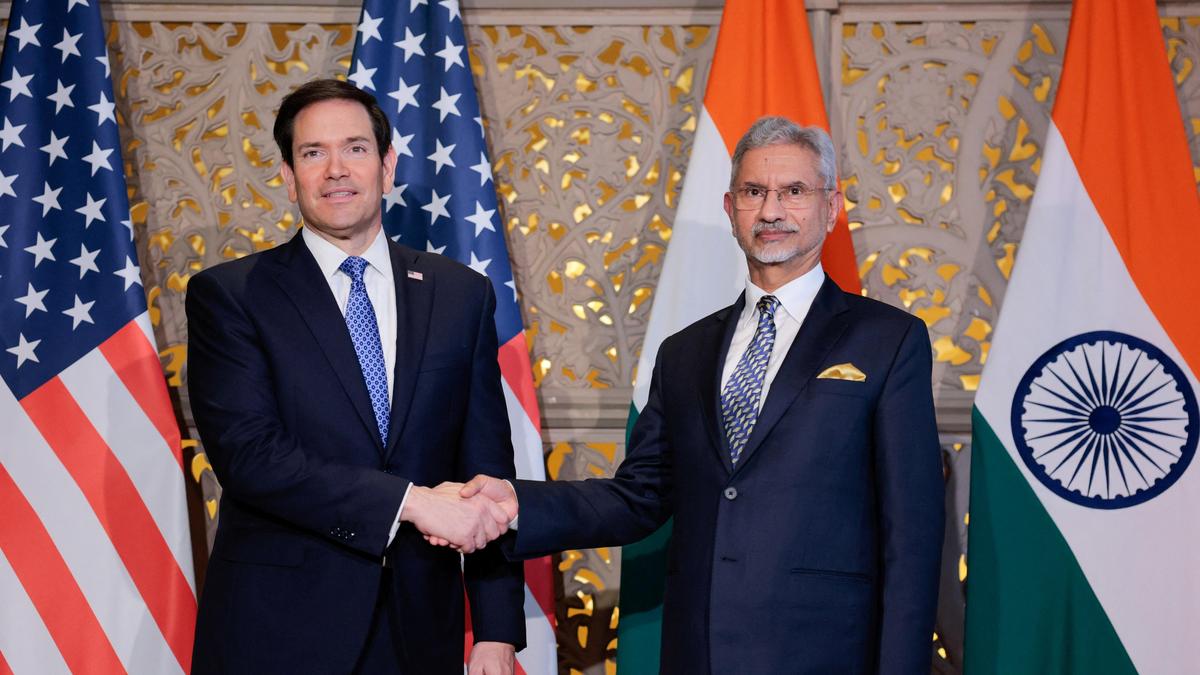
The shifting political landscape in Washington following the midterm elections is unlikely to fundamentally alter the trajectory of India-U.S. bilateral ties, which have remained robust across successive administrations. However, observers note that changing dynamics in American domestic politics could significantly affect India's room for maneuver on several critical geopolitical fronts.
Among the areas potentially impacted are India's approach to Iran policy, its engagement with Russian energy resources, ongoing trade negotiations with the United States, immigration-related matters, and China strategy. The composition of the next U.S. Congress could influence how aggressively Washington pursues certain foreign policy positions that have implications for New Delhi's strategic calculations.
India has historically maintained a careful balance in its foreign policy, particularly on issues where major powers hold divergent positions. The midterm results may alter the intensity with which the United States pushes specific positions, thereby creating different strategic opportunities and constraints for Indian policymakers.
Analysts suggest that India's core partnership with the United States—rooted in shared democratic values and strategic convergence—remains sufficiently anchored to weather domestic political shifts in either country. Nevertheless, tactical flexibility on secondary issues may depend on which political forces gain ascendancy in Washington and their respective foreign policy orientations toward Asia and the broader Indo-Pacific region.