Culture & Entertainment · World News Bureau
U.S. Pivot Constrains Potential Gains From Xi-Modi Diplomatic Engagement
China's overtures toward India face structural limitations as Washington's regional strategy influences New Delhi's diplomatic calculations. The triangular dynamic between Beijing, New Delhi, and Washington is reshaping bilateral engagement outcomes.
LSN World News ·
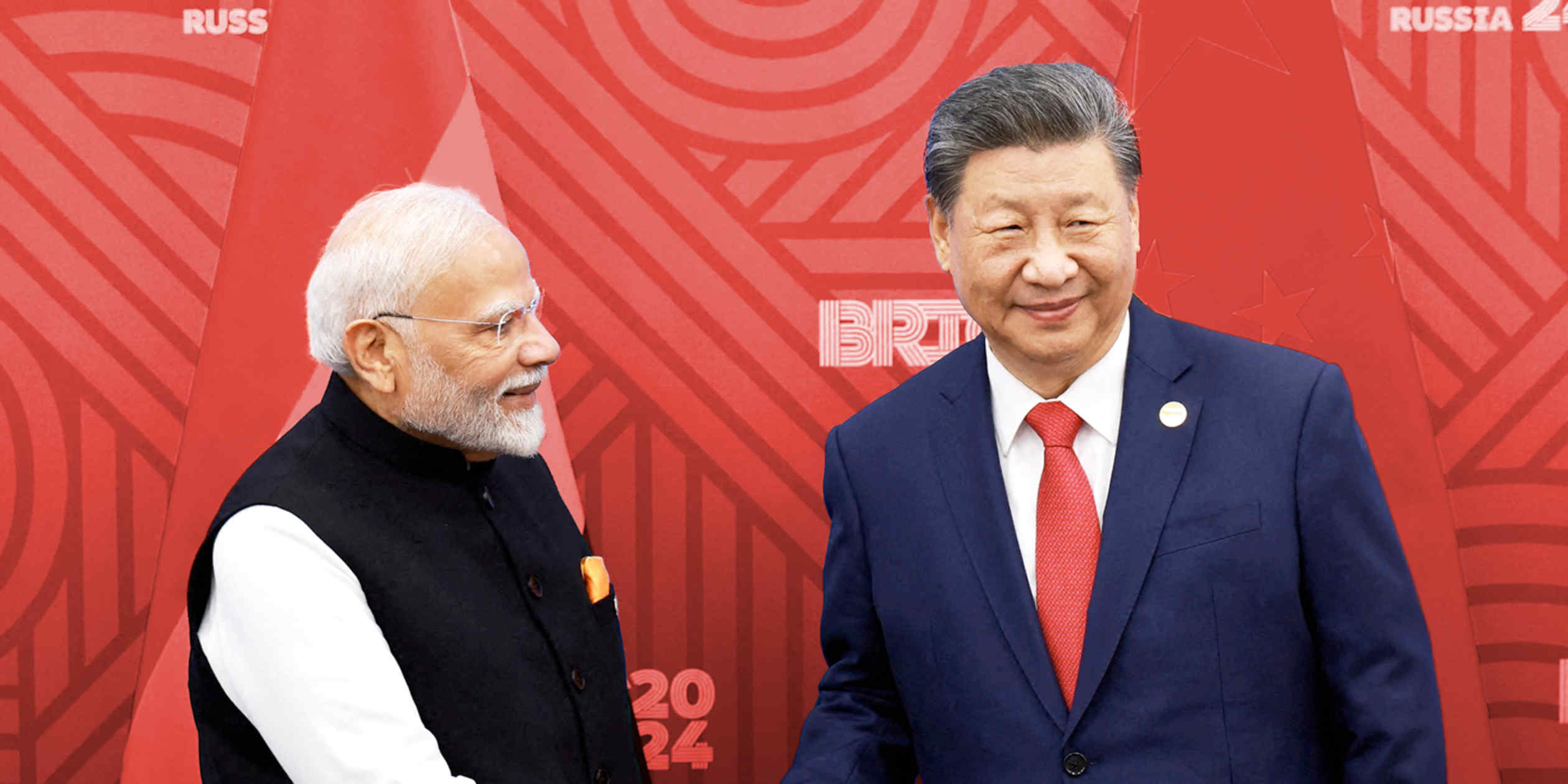
China's renewed diplomatic push toward India, marked by high-level engagement and efforts to ease border tensions, is encountering significant headwinds from the broader geopolitical competition between Washington and Beijing. While President Xi Jinping's administration has signaled willingness to improve ties with New Delhi, the incoming Trump administration's anticipated Indo-Pacific strategy is complicating the calculus for Indian policymakers considering deeper engagement with China.
The timing of Beijing's outreach reflects China's recognition that border disputes and trade imbalances have strained the relationship with its South Asian neighbor. However, India's strategic partnership with the United States, reinforced through defense agreements and technology cooperation, creates competing incentives that limit how far New Delhi can move toward reconciliation with Beijing without jeopardizing its Western alignment.
Analysts note that while both China and India benefit from stable bilateral relations, the widening U.S.-China competition over regional influence means any substantive rapprochement carries diplomatic costs. India faces pressure to balance its non-aligned posture with practical security concerns that increasingly align it with American strategic interests, particularly regarding China's military modernization and technological advancement.
The diplomatic opportunity, therefore, appears constrained to incremental confidence-building measures rather than transformative agreements. Border management mechanisms and trade normalization may see progress, but fundamental realignment remains unlikely given the gravitational pull of great-power competition reshaping South Asia's strategic landscape. For Beijing, this represents a sobering reality that economic incentives and diplomatic gestures alone cannot overcome structural geopolitical constraints.