World · World News Bureau
U.S. Republicans press Muslim candidate on Brotherhood ties amid political controversy
Republican politicians have repeatedly called on Abdul El-Sayed, a Muslim American political figure, to publicly renounce any association with the Muslim Brotherhood. The demand reflects broader political tensions over how candidates address controversial organizational connections.
LSN World News ·
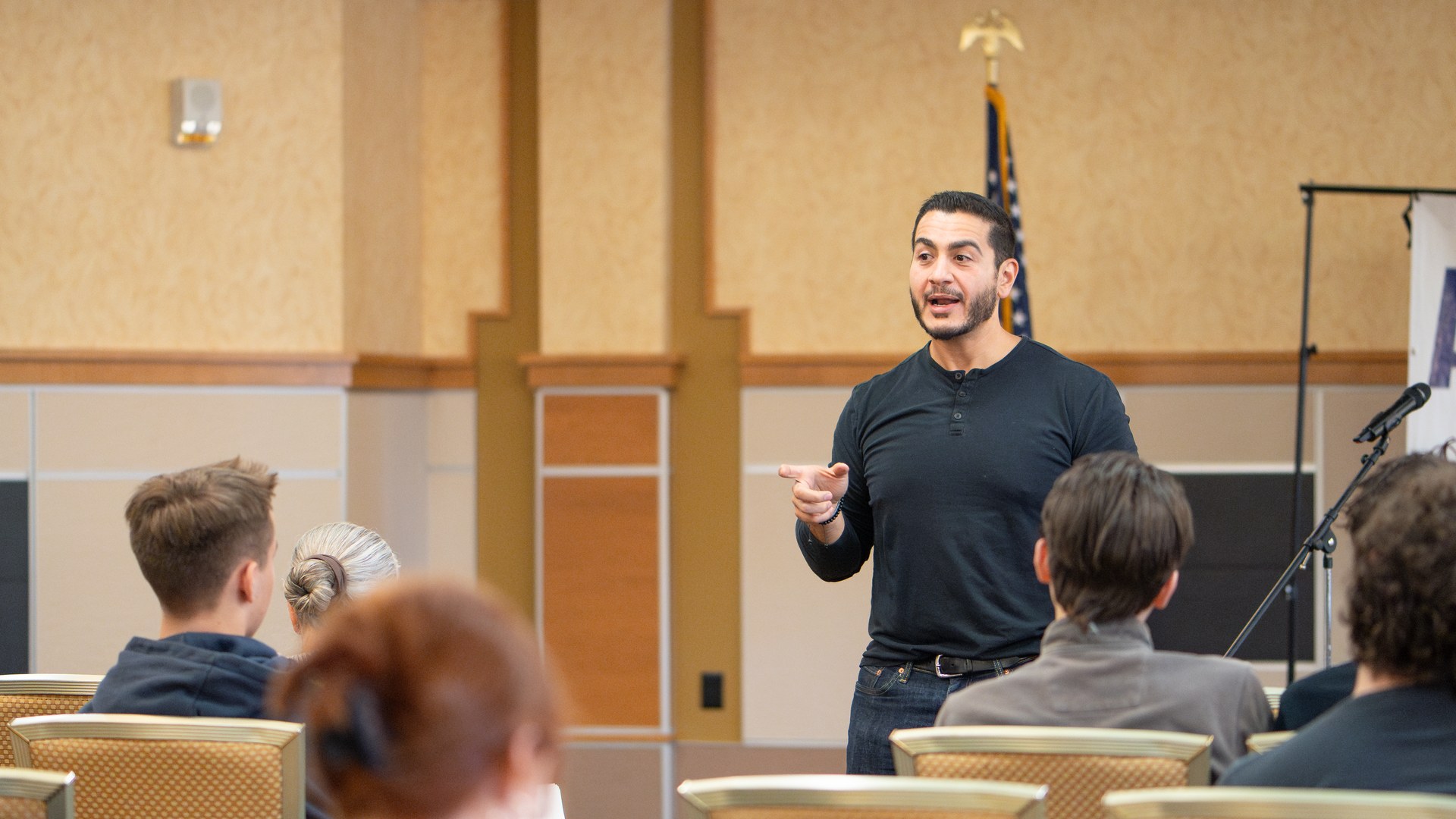
Abdul El-Sayed, a prominent Muslim American who has held political office, has faced sustained pressure from Republican lawmakers to explicitly disavow connections to the Muslim Brotherhood, an international Islamist organization that has been designated as a terrorist group by several countries.
The calls for disavowal represent a political strategy employed by some Republicans to scrutinize Muslim candidates' backgrounds and affiliations. Critics argue the tactic is designed to place candidates in a difficult position, forcing them to either comply with demands that may be viewed as politically motivated or face accusations of evasiveness.
The Muslim Brotherhood, founded in Egypt in 1928, has spawned numerous affiliated organizations worldwide and remains a contentious subject in Middle Eastern politics. The group has been banned or restricted in several nations, though it operates legally in others.
El-Sayed's political opponents have suggested his professional history and associations warrant public clarification. Supporters of El-Sayed contend such demands amount to religious profiling and reflect a double standard not applied to candidates of other faiths facing similar questions about organizational ties.
The controversy underscores ongoing debates within American politics about how to address questions of religious identity, international organizational affiliation, and political legitimacy among Muslim American candidates seeking elected office.
Photo: Abdul El-Sayed speaking to voters at Michigan Technological University during his US Senate campaign, October 2025. Conlan Houston via Wikimedia Commons (CC BY-SA 4.0).