Politics · India Bureau
U.S. Sanctions Law Could Reshape India's Energy Trade Dynamics
A new U.S. sanctioning law targeting Russia and Iran introduces tariff provisions that may significantly impact India's oil imports and broader economic interests. The legislation includes specific conditions affecting third-country purchases of Russian energy products.
LSN India ·
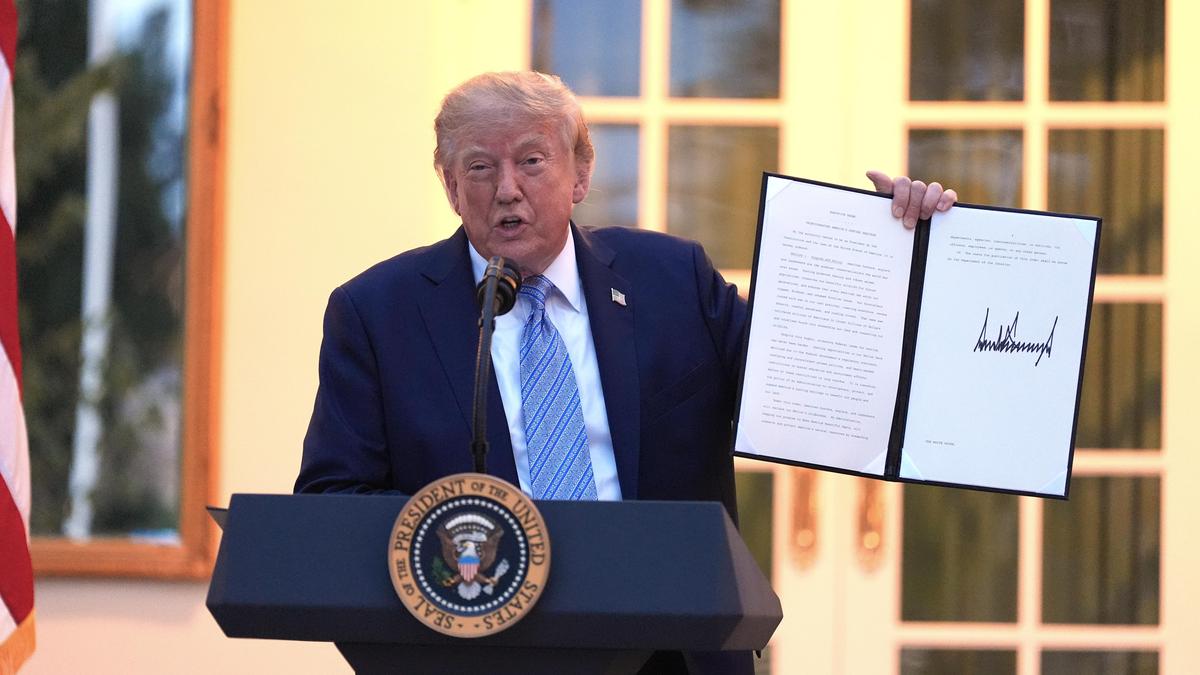
The United States has enacted the Lindsey O. Graham Sanctioning Russia and Iran Act, 2026, a comprehensive sanctions framework designed to tighten economic pressure on Moscow and Tehran. The legislation goes beyond traditional diplomatic measures by incorporating tariff mechanisms that extend beyond direct bilateral trade, potentially affecting countries that maintain energy commerce with sanctioned nations.
The act's tariff provisions create a secondary sanctions regime that could impact nations importing Russian oil, with India emerging as a significant focus given its substantial purchases of crude from Russia in recent years. The law establishes conditions under which countries trading with Russian energy sectors may face tariff implications, though the specific thresholds and implementation mechanisms remain subject to regulatory clarification.
For India's economy, the legislation presents dual challenges. Increased tariff exposure could raise import costs and affect India's trade competitiveness globally. However, the law includes provisions allowing for waivers under certain conditions, potentially providing flexibility for countries to maintain strategic energy relationships while demonstrating compliance with broader U.S. policy objectives.
Policymakers in New Delhi are evaluating the law's practical implications for India's energy security strategy. The waiver mechanisms embedded in the legislation suggest room for diplomatic negotiation, allowing India to balance its energy requirements with geopolitical considerations. Industry analysts are closely monitoring regulatory guidance that will clarify implementation details and waiver eligibility criteria in coming months.