Politics · World News Bureau
U.S. Supreme Court to Rule on Home Whiskey Production Legal Question
The U.S. Supreme Court has agreed to hear arguments on whether Americans can legally produce whiskey at home, a case that could reshape federal alcohol regulations. The decision marks a significant moment in the ongoing debate over home alcohol production rights.
LSN World News ·
The Supreme Court's decision to take up the case represents a rare judicial foray into the contentious issue of home spirits production. Currently, federal law permits Americans to produce beer and wine at home for personal consumption under certain restrictions, but whiskey and other distilled spirits remain prohibited. The case raises fundamental questions about the consistency of alcohol regulations and whether the federal government's blanket ban on home distillation can withstand constitutional scrutiny.
The dispute centers on whether the current regulatory framework treats different types of alcohol production fairly or if it violates equal protection principles. Proponents of home whiskey production argue that if home beer and wine making are permitted, the prohibition on distilled spirits lacks a rational basis. They contend that the restrictions are outdated and fail to account for modern home production capabilities and safety standards.
Federal authorities have historically maintained strict controls on home distillation, citing concerns about safety hazards, tax collection, and the potential for illegal alcohol production. The government has argued that distilled spirits production presents greater risks than beer or wine fermentation due to the technical complexity and flammability concerns involved in the distillation process.
The Court's decision to hear oral arguments signals that justices find sufficient merit in the constitutional questions posed by the case. The ruling could have far-reaching implications for alcohol regulations across the United States and potentially open pathways for home distillery operations that currently remain illegal.
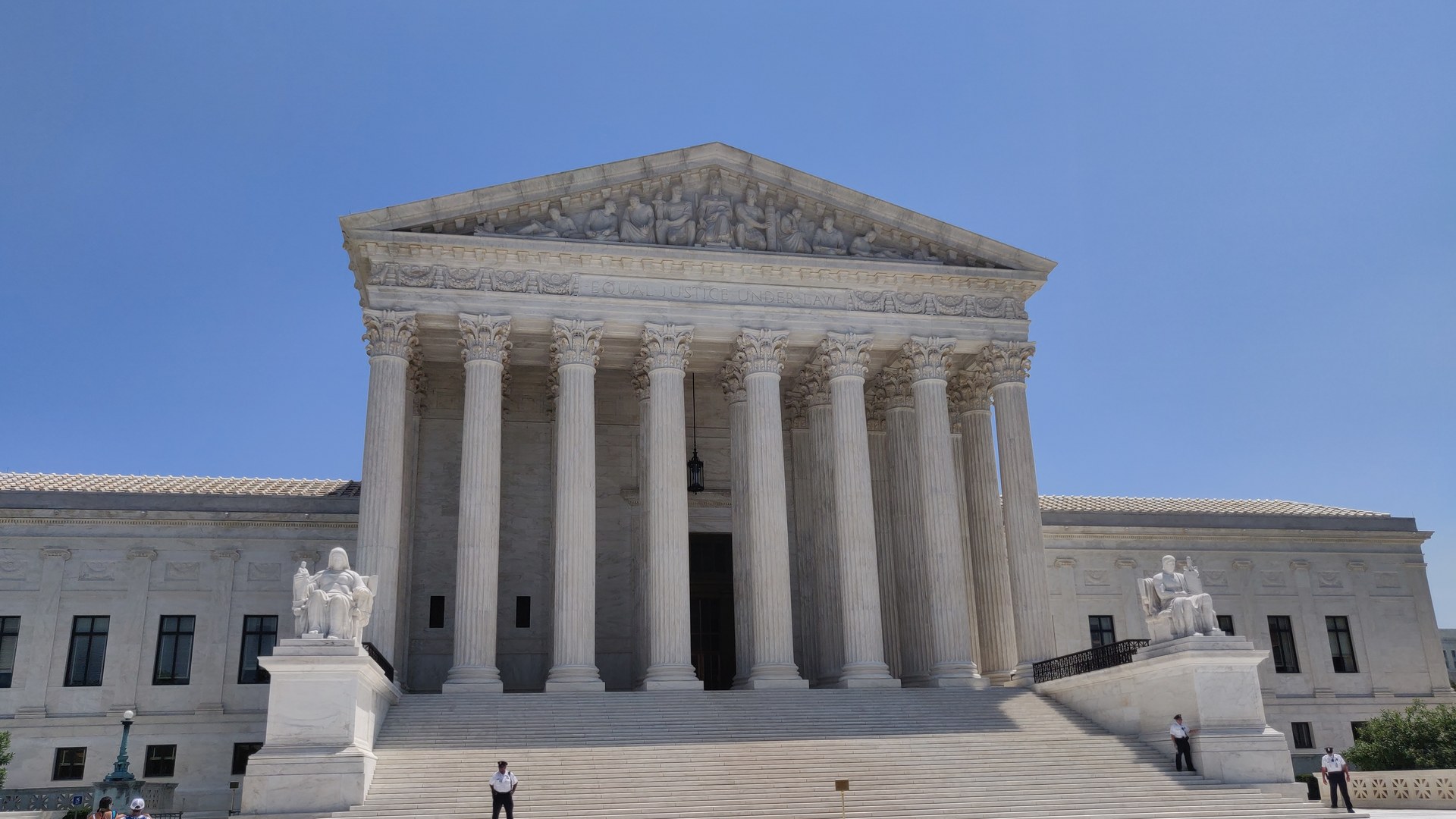
Photo: The front of the United States Supreme Court Building in Washington, July 2019. Kurt Kaiser via Wikimedia Commons (CC0).