Politics · World News Bureau
U.S. Supreme Court upholds New Hampshire's student ID voting restrictions
The U.S. Supreme Court has ruled that New Hampshire may enforce restrictions on the use of student identification cards as proof of residency in voter registration. The decision marks a significant development in ongoing debates over voting access and election administration standards.
LSN World News ·
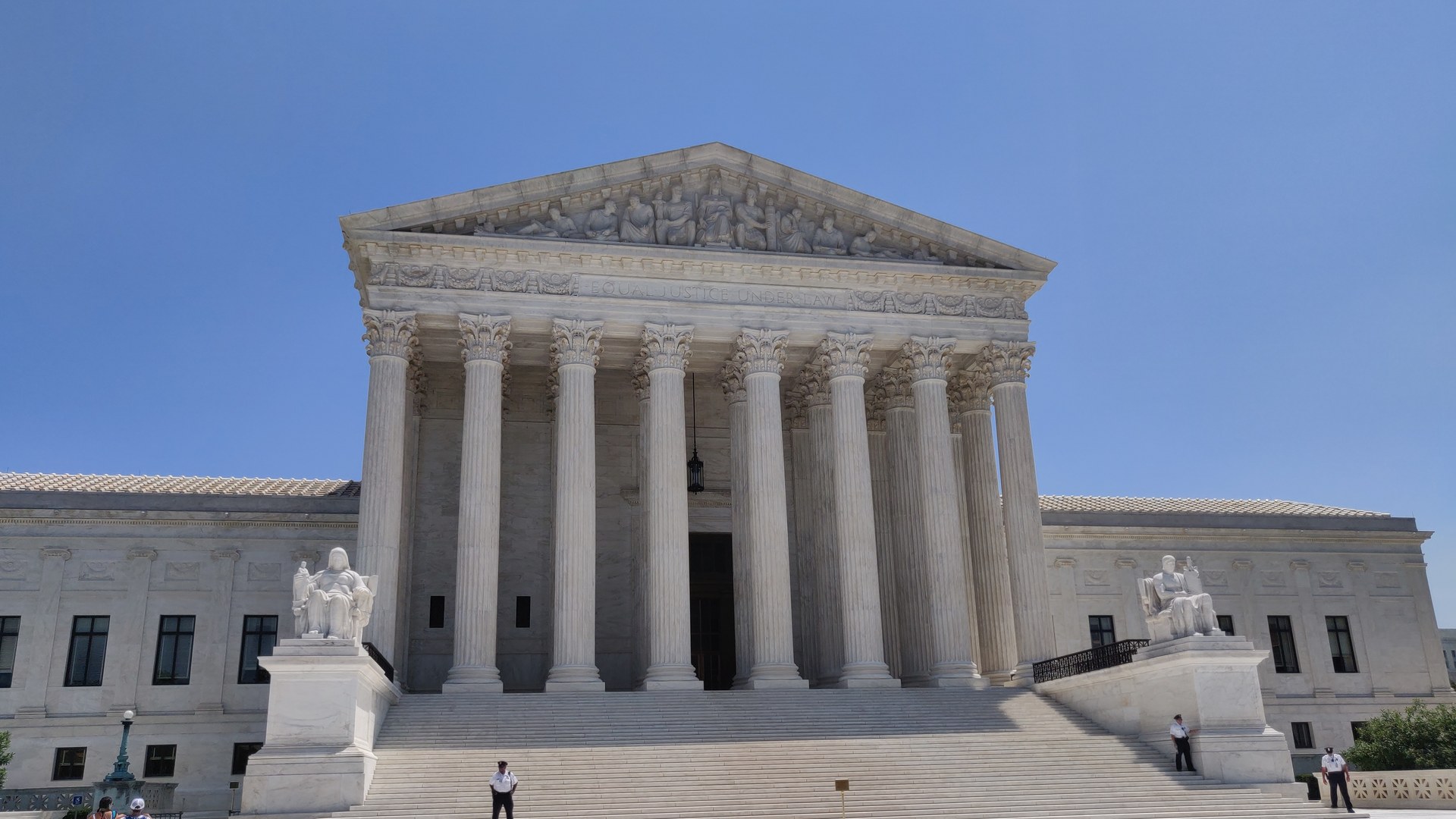
The Supreme Court's decision allows New Hampshire to continue limiting acceptance of student IDs for voting purposes, a practice the state argues protects election integrity by ensuring voters are genuine state residents. The ruling reflects the court's deference to individual states in setting voter qualification requirements, a power reserved to states under the U.S. Constitution.
New Hampshire, like several other states, has raised concerns that student IDs may not reliably establish permanent residency, given that many student cardholders are temporary residents attending out-of-state institutions or in-state colleges with transient populations. The state has maintained that voters should provide documentation more clearly establishing domicile, such as driver's licenses or utility bills.
The decision resonates in broader national discussions surrounding voting access and election security. Voting rights advocates have cautioned that such restrictions could disenfranchise eligible voters, particularly younger and more mobile populations, while election officials defend residency verification as essential to maintaining ballot integrity and preventing duplicate voting.
The case underscores persistent tensions between ballot access and election administration concerns that continue to shape voting policy across the United States. Legal experts note the ruling gives states considerable latitude in establishing identification requirements for voter registration, provided such measures do not target protected classes or violate federal voting rights legislation.
Photo: The front of the United States Supreme Court Building in Washington, July 2019. Kurt Kaiser via Wikimedia Commons (CC0).