World · India Bureau
Ujjain's Four Millennia: Tracing Ancient City's Spiritual and Cultural Legacy
One of India's oldest continuously inhabited cities, Ujjain has served as a centre of power, learning and spirituality across four thousand years of history. From its prominence as the capital of the Avanti kingdom to its role in shaping Indian astronomy and literature, the city remains a repository of the subcontinent's layered past.
LSN India ·
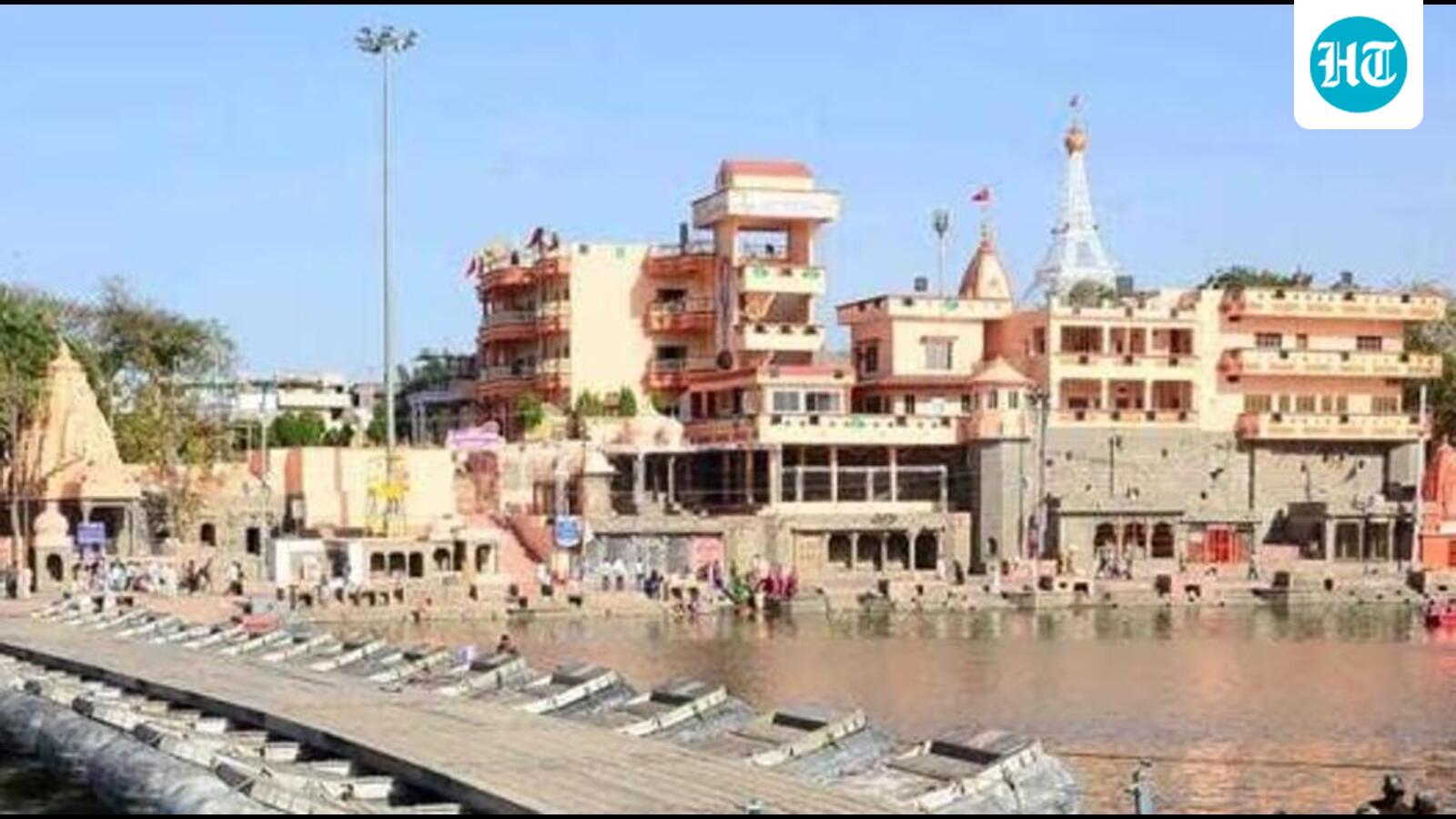
Ujjain's historical narrative extends back roughly four millennia, positioning it among South Asia's most significant ancient urban settlements. The city rose to prominence as the capital of the Avanti kingdom, a major regional power in pre-Mauryan India, before becoming an important centre during the reign of the Mauryan empire, which unified much of the subcontinent around the third century BCE.
During the Classical period, Ujjain emerged as a beacon of intellectual and artistic achievement. The renowned Sanskrit poet and playwright Kalidasa, whose works remain celebrated across the Indian subcontinent and beyond, is believed to have been associated with the city. The reign of Vikramaditya, the legendary king whose era became a reference point in Indian chronology, further enhanced Ujjain's status as a seat of learning and cultural refinement.
The city's significance extended into the scientific realm, particularly in the development of Indian astronomy. Ujjain served as a critical centre for astronomical observations and calculations, contributing substantially to the advancement of mathematical and astronomical knowledge in the ancient world.
Today, Ujjain remains a major pilgrimage destination, with the Mahakaleshwar temple standing as one of the twelve Jyotirlingas, the most sacred shrines dedicated to Lord Shiva. This enduring religious importance reflects the city's continuous significance in Hindu spiritual life, connecting its contemporary role to its ancient past as a centre of religious and cultural importance.