World · World News Bureau
UK's Expanding Terrorism Laws Blur Line Between Dissent and Crime
Britain's increasingly broad counter-terrorism legislation is narrowing the legal distinction between political protest, civil disobedience, and violent extremism, raising concerns among civil liberties advocates about the scope of state powers.
LSN World News ·
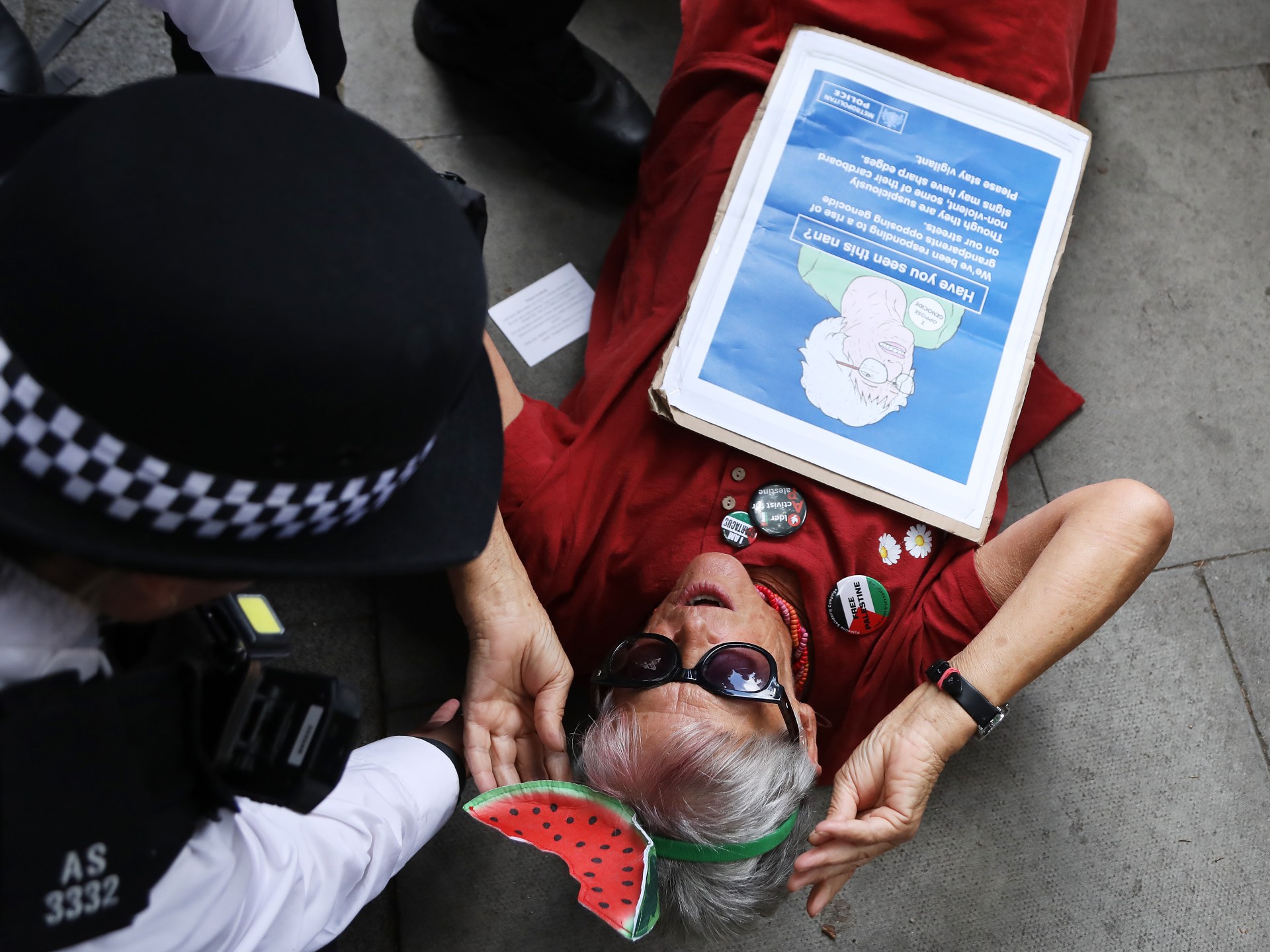
The United Kingdom's counter-terrorism framework has expanded significantly in recent years, with legal definitions now encompassing activities traditionally protected as legitimate political expression and protest. The widening scope of what qualifies as terrorism under British law has created a grey zone where peaceful demonstration and civil disobedience risk being classified alongside violent extremism.
Critics argue that this legislative drift fundamentally alters the relationship between the state and citizens exercising their right to dissent. Where previous legal distinctions clearly separated violent action from non-violent protest, contemporary terrorism statutes employ language sufficiently broad to capture forms of activism that fall short of direct violence.
The implications extend across civil society, as advocacy groups, environmental campaigners, and political activists operate under increasing uncertainty about which protest activities might expose participants to terrorism-related charges. Legal experts warn that the erosion of these boundaries risks chilling legitimate political expression and creating asymmetric power between state authorities and citizens engaging in lawful assembly.
The trend reflects broader security concerns, yet observers contend that robust counter-terrorism measures need not abandon traditional legal boundaries between different categories of conduct. As cases wind through the courts, the practical application of these expanded laws continues to test whether Britain's legal system maintains meaningful distinctions between dissent and crime.