Business · India Bureau
UK Upland Restoration Brings Wildlife Revival to English Fell
A decade-long environmental initiative in England's Lake District has transformed a sheep-grazed upland into a thriving habitat, attracting numerous bird species and restoring native woodland while supporting sustainable farming practices.
LSN India ·
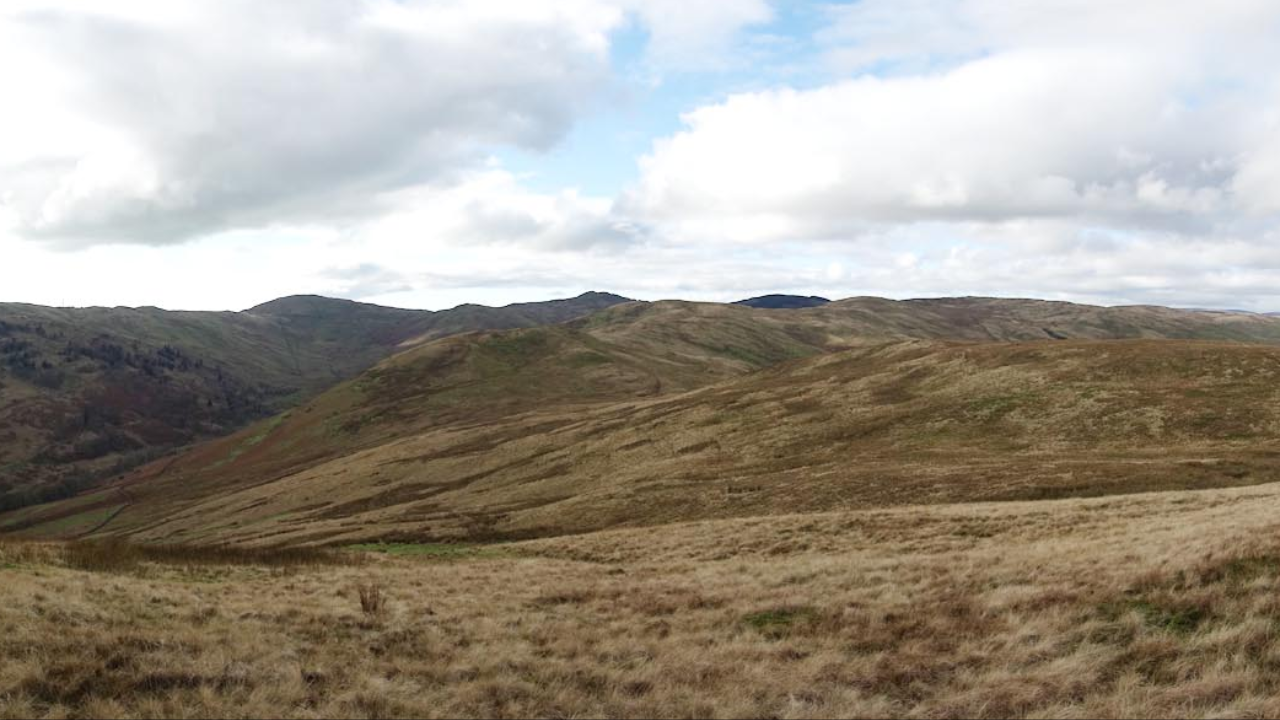
An ambitious upland restoration project that began in 2012 on Tebay Common in Cumbria has demonstrated the potential for landscape-scale environmental recovery in the English Lake District. By excluding sheep from the fell and facilitating the natural regeneration of vegetation, the initiative has allowed dormant seed banks to activate and pioneer native trees to establish themselves across the terrain.
The ecological benefits have been striking since the project's expansion in 2016. Eleven new breeding bird species have colonised the recovering habitat, signalling a broader restoration of the upland ecosystem. The returning vegetation and woodland structure have created conditions that support increased biodiversity across the site.
Beyond wildlife conservation, the project has delivered multiple environmental benefits to the surrounding region. The restoration of native vegetation and woodland cover has enhanced the fell's natural capacity for water retention and flood management, reducing runoff during heavy rainfall events. This ecological service comes at a time of increasing concern over extreme weather events and flooding across Northern England.
Crucially, the initiative has demonstrated that environmental restoration and agricultural livelihoods need not be in conflict. Local farmers have benefited from sustainable environmental management agreements that provide income while supporting upland livestock farming practices compatible with conservation objectives. This model of reconciling economic and ecological interests offers lessons for upland management across the region and beyond.