Technology · India Bureau
Ukraine, Russia Deploy Advanced Autonomous Weapons in Escalating Conflict
The ongoing Black Sea conflict is witnessing rapid advancement in military technology, with Ukraine deploying unmanned ground vehicles while Russia introduces sophisticated air defence systems. The developments underscore a global trend toward autonomous weapons and enhanced air defence capabilities among modern militaries.
LSN India ·
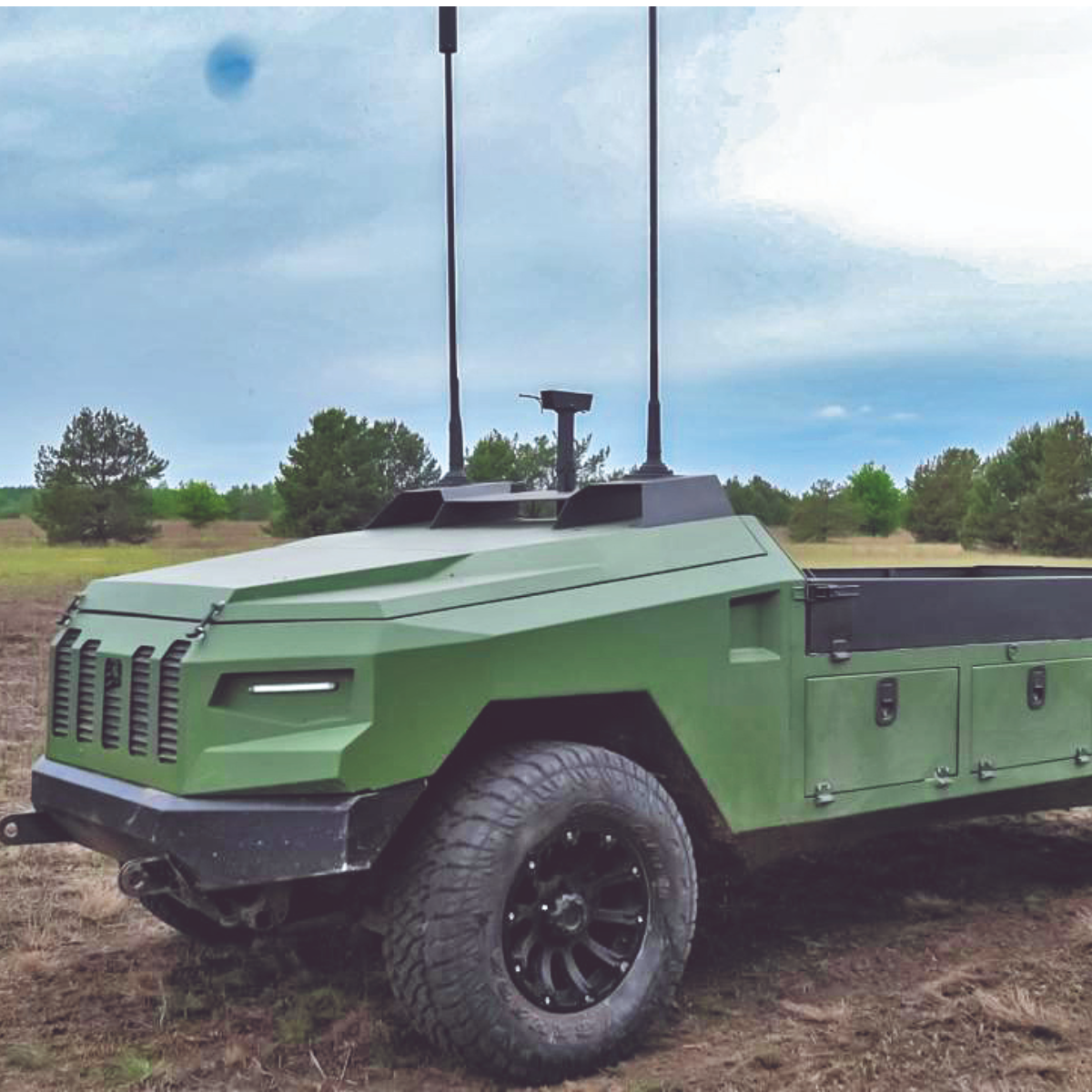
Ukraine has increasingly deployed robotic ground vehicles, or unmanned ground vehicles (UGVs), in combat operations, marking a significant shift toward autonomous systems in the region's conflict. These remotely operated platforms are being utilized for reconnaissance, surveillance, and tactical operations, reducing direct exposure of personnel to hostile fire. The integration of such systems reflects broader trends in contemporary warfare where nations seek technological advantages through automation and remote operation.
Russia has countered with the deployment of advanced anti-aircraft artillery systems designed to neutralize airborne threats. These systems represent Moscow's commitment to strengthening its air defence infrastructure and protecting critical assets from aerial bombardment. The technical sophistication of these platforms indicates escalating military competition in the region.
Military analysts note that both nations are at the forefront of incorporating cutting-edge autonomous and defence technologies into active operations. The rapid adoption of these systems by regional powers has drawn attention from global defence establishments, which are closely monitoring technological innovations emerging from the conflict. The developments highlight how modern military engagements are becoming laboratories for testing next-generation defence capabilities.
The trend reflects a broader global shift toward autonomous systems and advanced air defence mechanisms among militaries worldwide. As nations compete for technological superiority, the proliferation of such systems raises questions about their effectiveness, reliability, and long-term strategic implications for regional security dynamics.