Politics · Singapore Bureau
Ukraine-South Korea tensions expose divergent interests over North Korea
Despite shared concerns about Pyongyang's involvement in Russia's war, Kyiv and Seoul have found themselves at odds following President Zelensky's public disclosure of North Korean troop deployments. Analysts attribute the diplomatic rift to fundamentally different strategic priorities in the region.
LSN Singapore ·
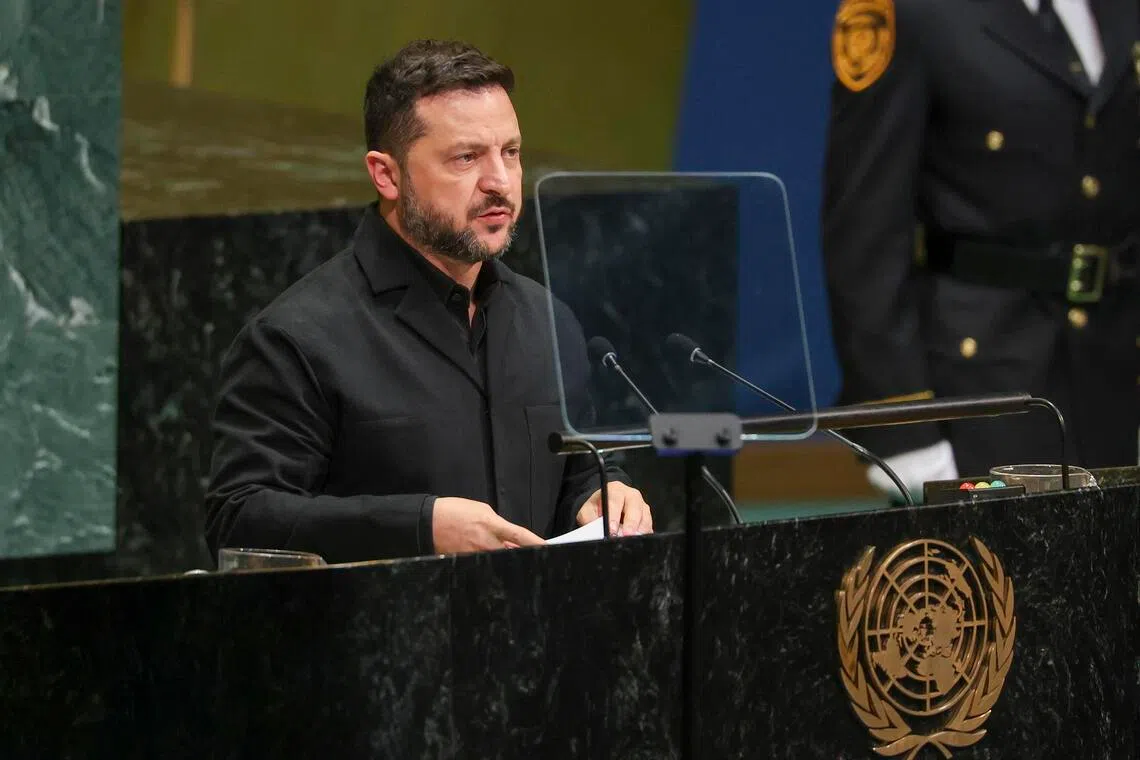
Ukraine and South Korea have found themselves in an unexpected diplomatic dispute despite both nations viewing North Korea's military involvement in the Ukraine conflict with alarm. The friction emerged after President Volodymyr Zelensky publicly confirmed that North Korean troops were being deployed to support Russian forces, a disclosure that Seoul had sought to handle with greater discretion.
South Korea's measured approach to the issue reflects its complex geopolitical position on the Korean peninsula. As a nation still technically at war with North Korea and dependent on careful diplomatic calculations, Seoul has preferred to manage information about Pyongyang's activities through established intelligence channels and diplomatic back-channels rather than public pronouncements. The country's restraint underscores its concern about escalating tensions that could provoke unpredictable responses from the Kim Jong Un regime.
Ukraine's more confrontational stance stems from its immediate security needs and its strategy to internationalize its conflict with Russia. By publicly exposing North Korean involvement, Kyiv aims to mobilize broader global support and isolate Moscow further on the world stage. This approach prioritizes Ukraine's survival and gaining international backing over diplomatic considerations that might concern other stakeholders.
The divergence reveals how allies united against a common threat can still pursue conflicting tactical strategies. While both nations acknowledge North Korea's role in undermining regional stability, their distinct strategic environments and threat perceptions have led them to favor different approaches. For observers in Southeast Asia and the broader Indo-Pacific region, the episode illustrates how security concerns, even when shared, do not automatically produce unified diplomatic responses.