World · World News Bureau
Ukrainian drone strikes force Russian airspace closures, disrupting global aviation
Escalating Ukrainian unmanned aerial vehicle operations are prompting Moscow to restrict civilian air traffic over vast territories, creating significant logistical challenges for international airlines. The closures highlight how regional conflicts increasingly disrupt global travel and commerce.
LSN World News ·
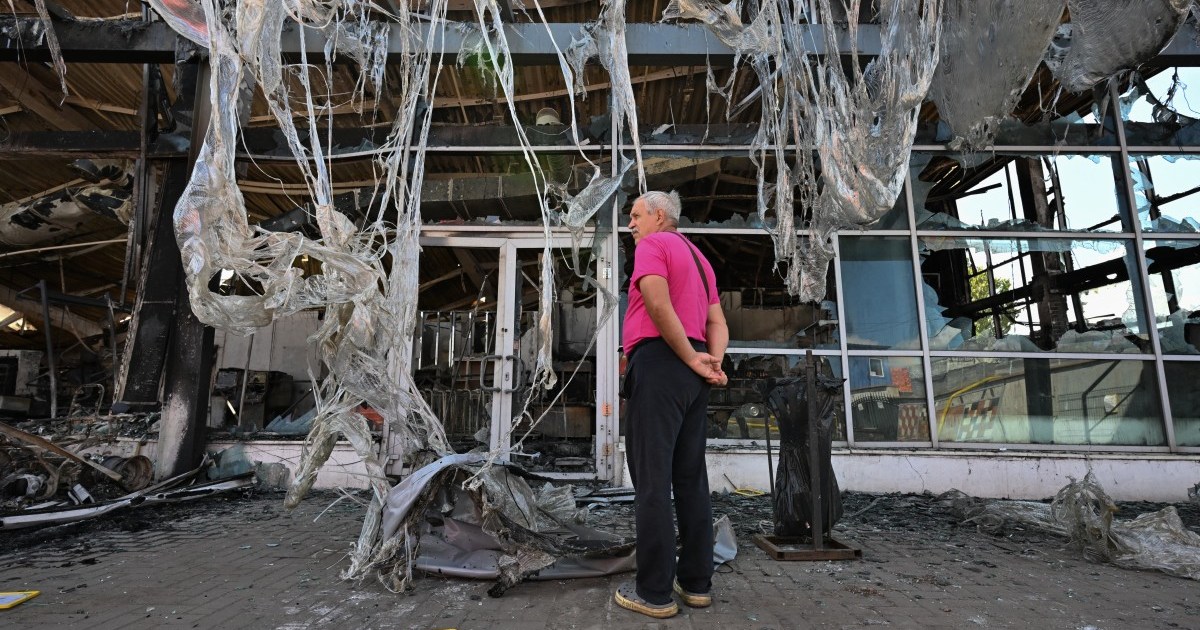
Ukrainian drone strikes have triggered Russia to impose sweeping airspace restrictions across its territory, forcing commercial carriers to reroute flights and avoid some of the world's busiest aviation corridors. The closures have grown more frequent as Kyiv's unmanned systems demonstrate extended range and operational capability, reaching targets hundreds of kilometers from the front lines.
The impact extends far beyond Eastern Europe, as numerous international airlines operate routes crossing Russian airspace to connect Europe with Asia. Airlines including those from India, the Middle East, and East Asia have been compelled to implement costly detours, adding hours to flights and increasing fuel consumption. These diversions have raised operational costs at a time when carriers are recovering from pandemic-related losses.
Russia's closure announcements, typically issued with limited notice, create unpredictability for flight planning and increase the risk of incidents as aircraft converge on alternative routes. Safety analysts warn that concentrated traffic on substitute corridors, particularly over neighboring countries, strains regional air traffic control systems and reduces operational flexibility.
The situation underscores how modern drone technology has transformed conflict dynamics, enabling smaller militaries to impose costs on civilian infrastructure across vast distances. With no immediate resolution to the Ukraine conflict in sight, airline operators face ongoing uncertainty about accessing Russian airspace, complicating long-term route planning and increasing pressure on alternative aviation infrastructure throughout Asia and Eastern Europe.