World · Singapore Bureau
UMNO's shifting allegiance in Negeri Sembilan succession tests Malaysia's monarchy
Malaysia's ruling party has thrown its weight behind a rival claimant to the Negeri Sembilan throne, complicating an already fraught succession dispute that raises questions about the constitutional role of the country's hereditary rulers.
LSN Singapore ·
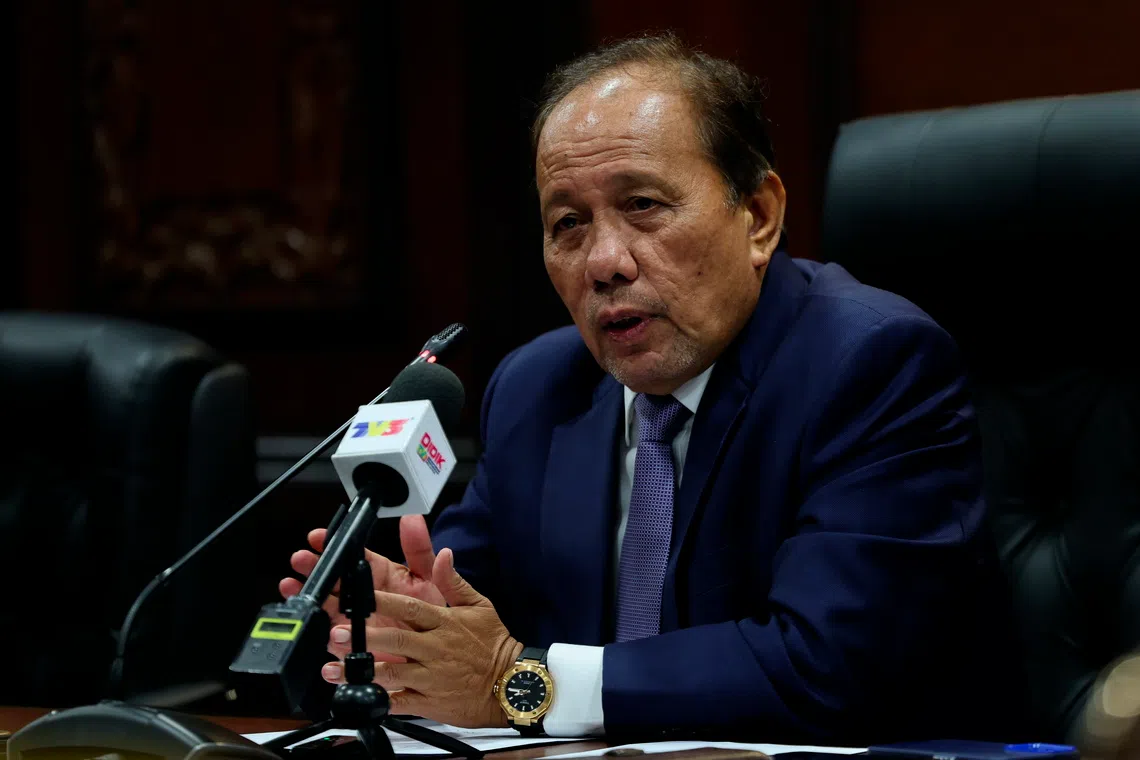
The political crisis engulfing Negeri Sembilan's royal succession has taken a sharp turn, with the United Malays National Organisation backing a contender to the throne despite having previously supported the ruler who swore in the party's government. The manoeuvre underscores the intricate relationship between Malaysia's political establishment and its constitutional monarchy, where state rulers retain significant ceremonial and legislative powers.
Negeri Sembilan, one of Malaysia's thirteen states, operates under a unique system where the Yang di-Pertuan Besar, or state ruler, is elected by a council of hereditary chiefs rather than determined by simple succession. The current palace dispute has pitted different factions of the royal family against each other, with competing claims to the throne threatening to destabilise the state's governance.
UMNO's strategic repositioning reflects the party's calculation that backing an alternative succession candidate better serves its political interests in the state. The shift highlights how Malaysia's states serve as important testing grounds for power dynamics within the broader federation, where control of state governments depends partly on the goodwill of traditional rulers.
The crisis touches on fundamental questions about Malaysia's constitutional structure. While the country's Yang di-Pertuan Agong serves as ceremonial national head of state, the nine hereditary rulers wield considerable influence over their respective states, including the power to assent to legislation and dissolve state assemblies. Disputes over succession therefore carry implications beyond palace protocol.