Politics · Malaysia Bureau
Umno's weakened position could undermine coalition stability, experts warn
Political analysts caution that Umno's diminished electoral strength may force post-election coalitions to rely on transactional arrangements rather than genuine cooperation, raising questions about governmental stability.
LSN Malaysia ·
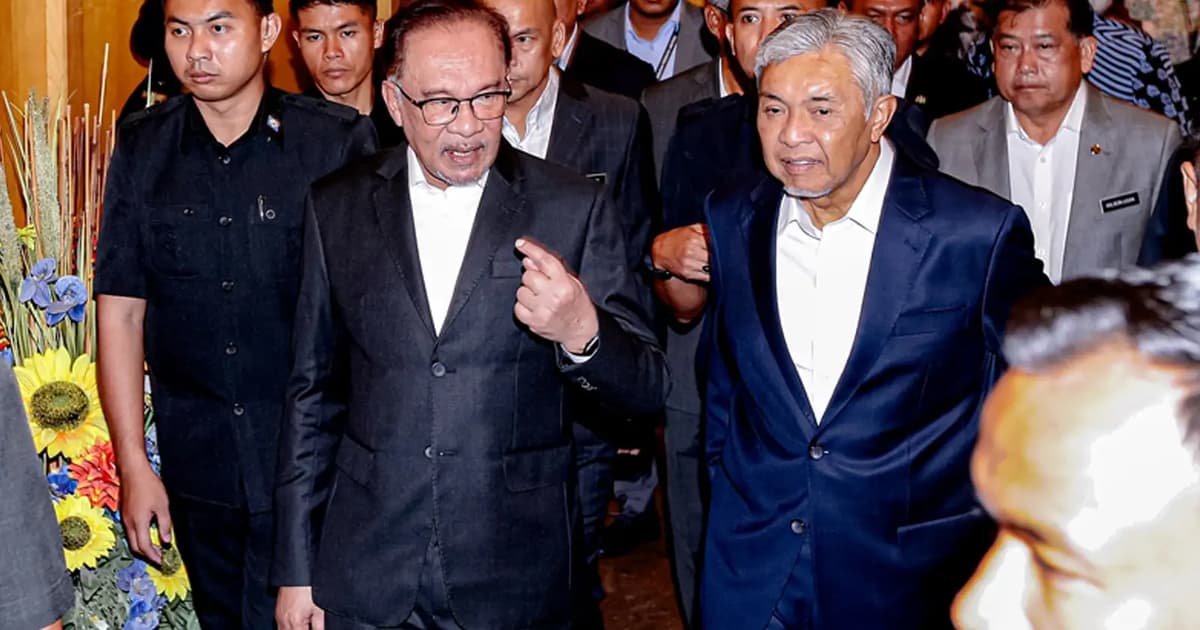
Malaysia's political landscape faces potential instability following the next general election, with analysts pointing to the ruling coalition's weakened position as a key risk factor. The Umno party, historically the dominant force in Malaysian politics, has seen its influence erode in recent years, creating uncertainty about how future governing arrangements might function.
According to political observers, any post-election cooperation involving Umno would likely be driven by short-term political calculations and competing interests rather than a foundation of institutional trust. Such arrangements could lack the cohesion necessary to implement consistent long-term policies or weather internal disagreements without threatening the coalition's survival.
The fractured state of Malaysian politics means potential coalition partners may prioritize securing ministerial positions and political favors over substantive policy alignment. This transactional approach to governance could leave any new administration vulnerable to sudden shifts in allegiances or defections by constituent parties seeking better arrangements.
Political analysts suggest that the coming election may not produce a clear winner, potentially forcing complicated negotiations between multiple parties with limited goodwill toward one another. The resulting government, if formed through such negotiations, could struggle to command sufficient parliamentary support for major legislative initiatives or maintain the consensus needed for stable administration.