World · World News Bureau
UN alerts world to potential economic fallout from intensifying El Nino
The World Meteorological Organization has issued a stark warning about an unusually powerful El Nino event, cautioning that the climatic pattern poses significant risks to global economic stability and regional weather patterns across multiple continents.
LSN World News ·
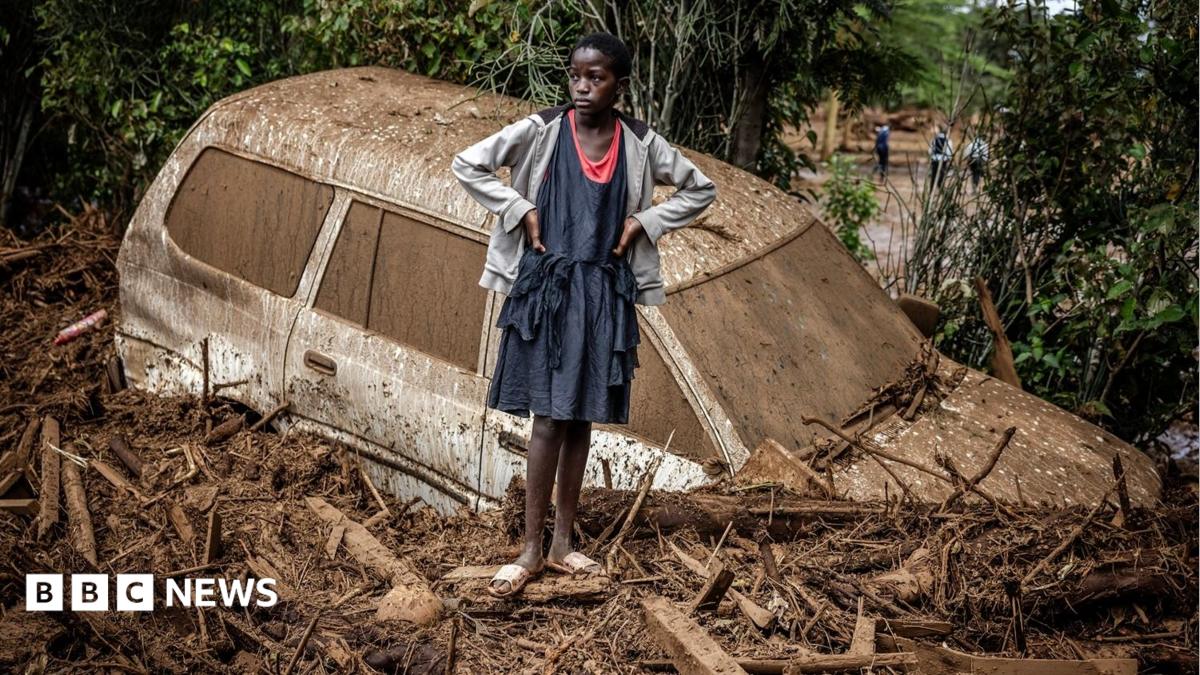
International weather authorities are sounding alarms over an exceptionally strong El Nino phenomenon developing across the Pacific Ocean, with implications that extend far beyond typical seasonal disruptions. The World Meteorological Organization has characterized the event as potentially "supersized," signaling concerns among meteorologists and policymakers about its capacity to trigger widespread economic and climatic consequences globally.
El Nino, a naturally occurring climate pattern marked by warmer-than-average ocean temperatures in the equatorial Pacific, typically influences weather systems worldwide. The current formation appears particularly robust, raising expectations for pronounced impacts on precipitation patterns, temperatures, and agricultural productivity across vulnerable regions. Countries dependent on predictable weather cycles for farming, fishing, and water resources are taking preparatory measures to mitigate potential disruptions.
Governments and international bodies are mobilizing response strategies ahead of the phenomenon's anticipated peak intensity. The warnings underscore the interconnected nature of global economies, where localized weather disruptions can cascade into broader supply chain challenges and commodity price volatility. Nations in South and Southeast Asia, already contending with variable monsoon patterns, are among those preparing contingency plans.
The WMO's assessment reflects growing consensus among climate scientists that El Nino events are intensifying in strength, a trend observers attribute partly to longer-term climate change patterns. As the phenomenon develops, agricultural sectors, energy markets, and food security frameworks face heightened uncertainty in the months ahead.