World · World News Bureau
UN Credibility Crisis Deepens as Major Powers Pursue Solo Agendas
The United Nations faces mounting threats to its viability, with experts warning that unilateral action by major powers, financial instability, and Security Council paralysis are eroding the organization's relevance and effectiveness.
LSN World News ·
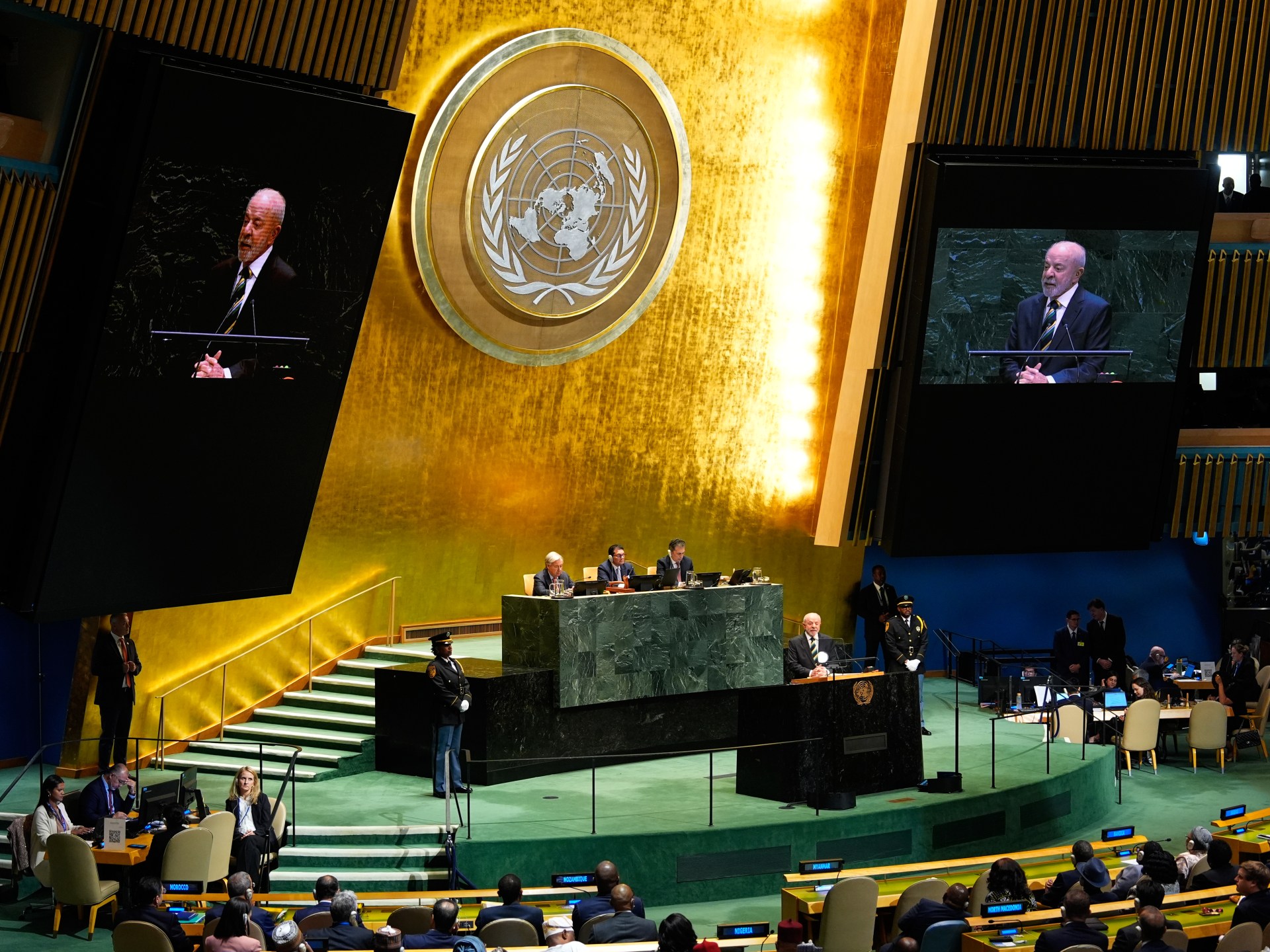
The United Nations confronts a confluence of existential challenges that threaten to undermine its core mandate and legitimacy, according to analysts monitoring developments at the organization's New York headquarters. Major powers increasingly are bypassing the multilateral institution to pursue independent foreign policy objectives, a trend that reflects deepening skepticism about the UN's ability to broker consensus or enforce international agreements. This shift toward unilateralism has coincided with structural failures within the Security Council, where permanent members' competing interests have produced persistent gridlock on critical global issues.
Financial pressures compound the institutional crisis. Mounting arrears in member state contributions and budget constraints have limited the UN's operational capacity at a moment when international challenges—from regional conflicts to transnational humanitarian emergencies—demand robust coordination. The combination of fiscal stress and political dysfunction has left the organization struggling to maintain programs and staffing levels necessary to fulfill its mandates.
The relevance question looms largest for institutional observers. As powerful nations establish ad-hoc coalitions and pursue bilateral arrangements outside UN frameworks, questions persist about whether the 79-year-old institution can adapt to contemporary geopolitical realities. Experts note that unless the organization addresses governance structures and rebuilds confidence among member states, its influence in shaping global policy responses will continue to diminish, potentially widening the governance vacuum in international affairs.