World · World News Bureau
UN General Assembly gains clout as Security Council gridlock deepens
With the UN Security Council increasingly paralyzed by geopolitical tensions, the General Assembly is emerging as a more influential forum for addressing global challenges. The shift reflects broader changes in the international order as power becomes more diffused across multiple centers.
LSN World News ·
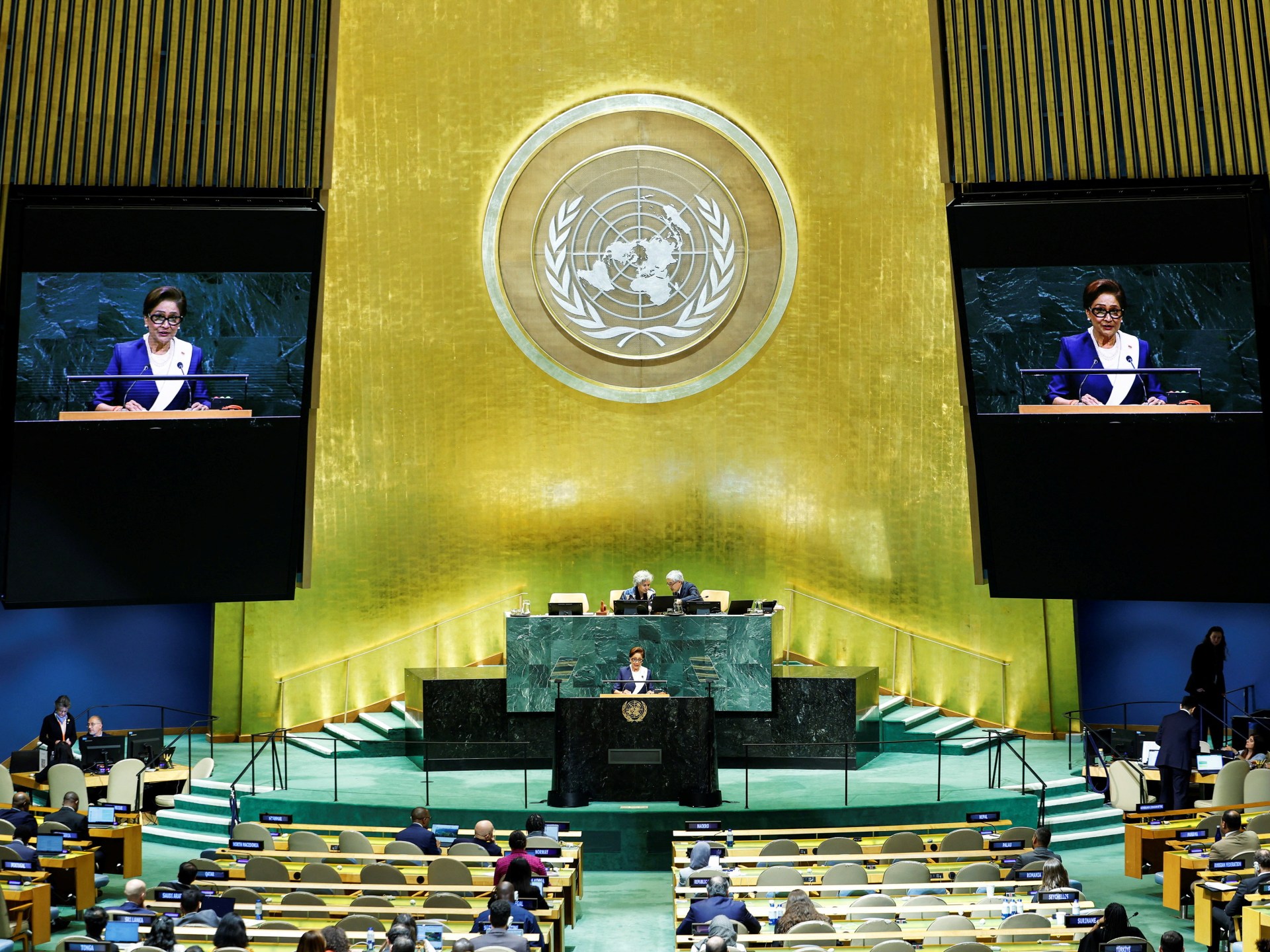
The United Nations General Assembly is consolidating its role as a consequential platform for international diplomacy, stepping into vacuums left by a deadlocked Security Council. Permanent members' competing interests have repeatedly stalled the 15-member council's ability to respond decisively to major crises, from conflicts in the Middle East to humanitarian emergencies, constraining its effectiveness as the organization's primary crisis management body.
The General Assembly, comprising all 193 UN member states, has historically served a more symbolic function in global governance. However, structural changes in the international system are altering this dynamic. The rise of multiple power centers—including regional powers in Asia, Africa, and Latin America—has fragmented the global order that underpinned the post-Cold War settlement, creating new opportunities for collective action outside traditional power structures.
This recalibration has practical implications for how the UN addresses transnational challenges. The General Assembly has increasingly leveraged procedural mechanisms to pass resolutions on matters ranging from human rights to climate action, areas where Security Council consensus proves elusive. Member states have also expanded the body's role through special sessions and emergency protocols that bypass traditional council authority.
Analysts note the shift reflects deeper geopolitical realignment rather than institutional reform. As established powers find their influence contested and rising nations demand greater voice in global affairs, the General Assembly's inclusive structure—despite its lack of enforcement mechanisms—offers a venue where diverse interests can be articulated and coalitions formed. Whether this rebalancing translates into more effective multilateralism remains contested among diplomats and observers.