World · Bangladesh Bureau
UN Raises Concerns Over India's Treatment of Minorities
United Nations bodies have expressed concerns regarding India's handling of Bengali-speaking Muslim communities, Rohingya refugees, and Dalit populations. The criticism highlights ongoing human rights issues in South Asia's largest democracy.
LSN Bangladesh ·
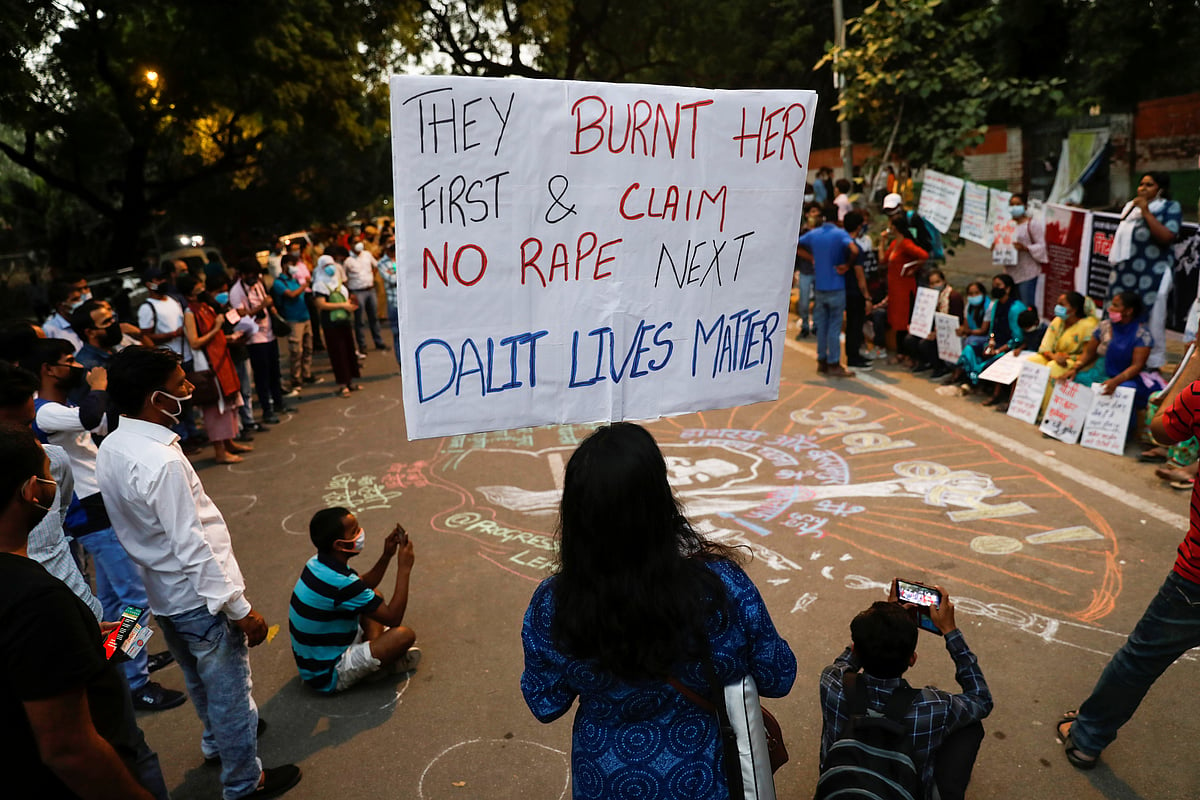
International human rights mechanisms have rebuked India over its treatment of several vulnerable populations, including Bengali-speaking Muslims, Rohingya refugees, and members of the Dalit community, according to United Nations statements. The rebuke reflects growing international scrutiny of minority rights protection in the Indian subcontinent.
The UN bodies cited concerns about discrimination, inadequate legal protections, and reported instances of communal violence affecting these communities. Bengali-speaking Muslim populations have faced allegations of marginalization in certain Indian states, while Rohingya refugees remain in precarious conditions within Indian territory. Dalit communities continue to experience systemic discrimination despite constitutional protections against caste-based prejudice.
New Delhi has not formally responded to the specific allegations, though Indian officials have previously contested international criticism regarding minority affairs, asserting that domestic institutions adequately address human rights concerns. The country maintains that its constitutional framework provides comprehensive protections for all citizens regardless of religion, ethnicity, or caste.
The UN intervention underscores persistent tensions between India's constitutional commitments to pluralism and reported ground-level implementation challenges. Observer groups note that vulnerable communities often lack effective recourse mechanisms for addressing violations, leading to international attention from human rights bodies and UN agencies monitoring South Asian developments.