World · World News Bureau
UN reassesses Sahel role as nations demand greater sovereignty
As the 81st UN General Assembly convenes, the organization faces mounting pressure to scale back its footprint across the Sahel region while respecting African nations' demands for autonomy in security and governance matters.
LSN World News ·
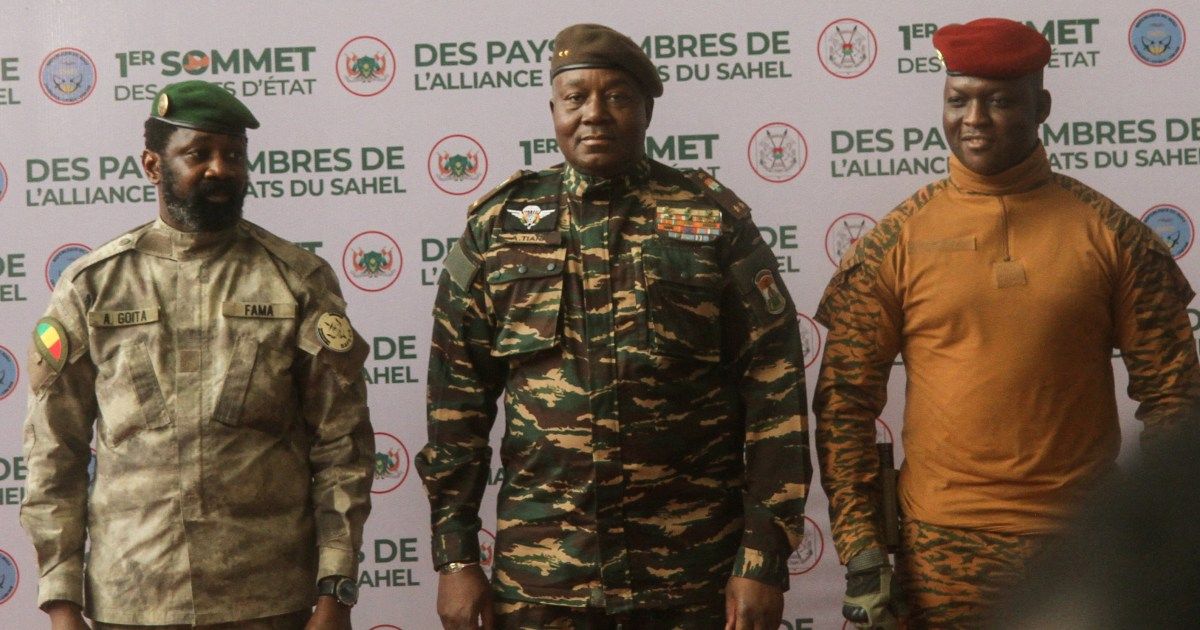
The United Nations is undergoing a significant recalibration of its presence and operations across the Sahel, where several countries have moved to curtail international military and peacekeeping missions in favor of domestically-led security strategies. The shift reflects broader regional sentiment among Sahel nations seeking greater control over their own affairs, particularly following military transitions in Mali, Burkina Faso, and Niger, where new governments have prioritized national sovereignty.
The timing of this transition coincides with the opening of the 81st United Nations General Assembly, where questions about the UN's evolving role in West Africa have moved to the forefront of discussions. Multiple Sahel states have either terminated or restricted UN peacekeeping operations, signaling a fundamental change in how these nations approach international cooperation and security partnerships.
This reconfiguration represents more than a logistical adjustment. It underscores a pivot toward alternative security arrangements and multilateral partnerships that emphasize African agency rather than external intervention. The UN's traditional peacekeeping model in the region, which expanded significantly over the past decade, is giving way to a more modest presence focused on humanitarian assistance and technical support rather than military operations.
Diplomatic observers note that the transition carries implications for conflict resolution efforts across the Sahel, where insurgent violence and humanitarian crises persist despite international engagement. As the UN adapts to these new political realities, the organization faces the challenge of maintaining relevant engagement while respecting national governments' insistence on determining their own security frameworks and international partnerships.