Politics · Sri Lanka Bureau
UN urges Sri Lanka to address gaps in proposed counter-terrorism bill
The United Nations has raised concerns over a proposed State Protection from Terrorism Act, warning it perpetuates problematic provisions found in existing counter-terrorism legislation. A UN assessment recommends nine key changes to better align the bill with international human rights standards.
LSN Sri Lanka ·
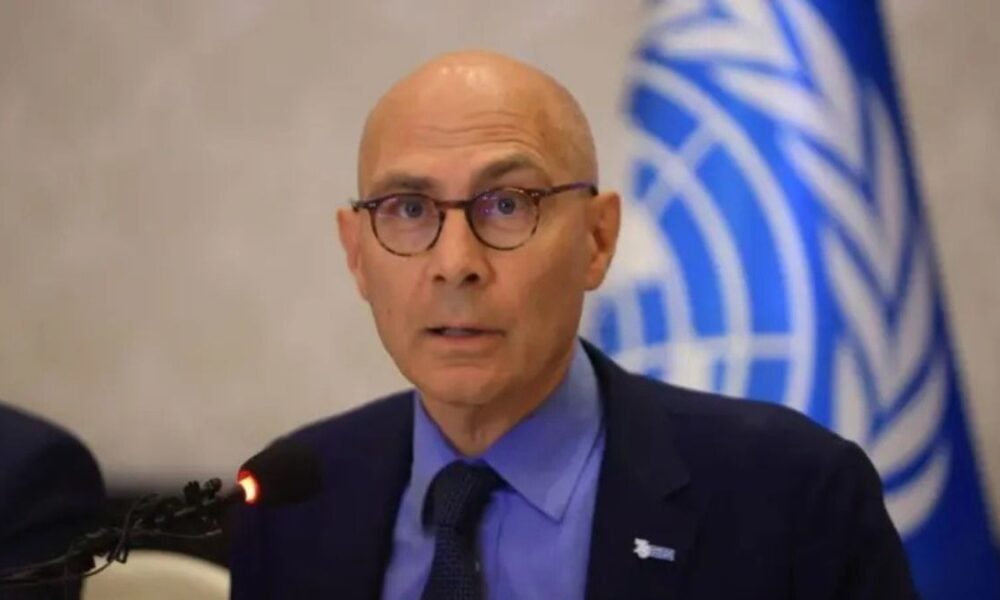
The Office of the United Nations High Commissioner for Human Rights (OHCHR) has identified significant deficiencies in Sri Lanka's proposed State Protection from Terrorism Act (PSTA), cautioning that the draft legislation retains troubling elements present in the current Prevention of Terrorism Act (PTA).
In a legal assessment released on October 13, 2026, the OHCHR outlined nine recommendations to strengthen the bill and bring it into compliance with international human rights obligations. The office warned that without substantial revisions, the proposed legislation risks repeating the problems that have plagued Sri Lanka's existing counter-terrorism framework.
The UN's concerns follow years of criticism from human rights organisations regarding the PTA's broad definitions, extended detention provisions, and limited judicial oversight. Advocacy groups have documented cases where the legislation has been applied in ways that restrict legitimate freedoms and due process protections.
The OHCHR assessment comes as Sri Lanka weighs legislative changes to its counter-terrorism approach. Government officials have indicated the PSTA is intended to modernise the country's security framework, though the UN's findings suggest considerable work remains to ensure such legislation meets international standards.
Civil society organisations and legal experts in Sri Lanka are expected to review the UN recommendations as parliamentary deliberations on the proposed bill continue.