World · India Bureau
UN warns of critical groundwater depletion crisis in India
A United Nations meteorological agency has raised alarm over India's rapidly declining groundwater levels, with extraction far outpacing natural replenishment. The imbalance is particularly acute in northern and northwestern regions, threatening the country's water security.
LSN India ·
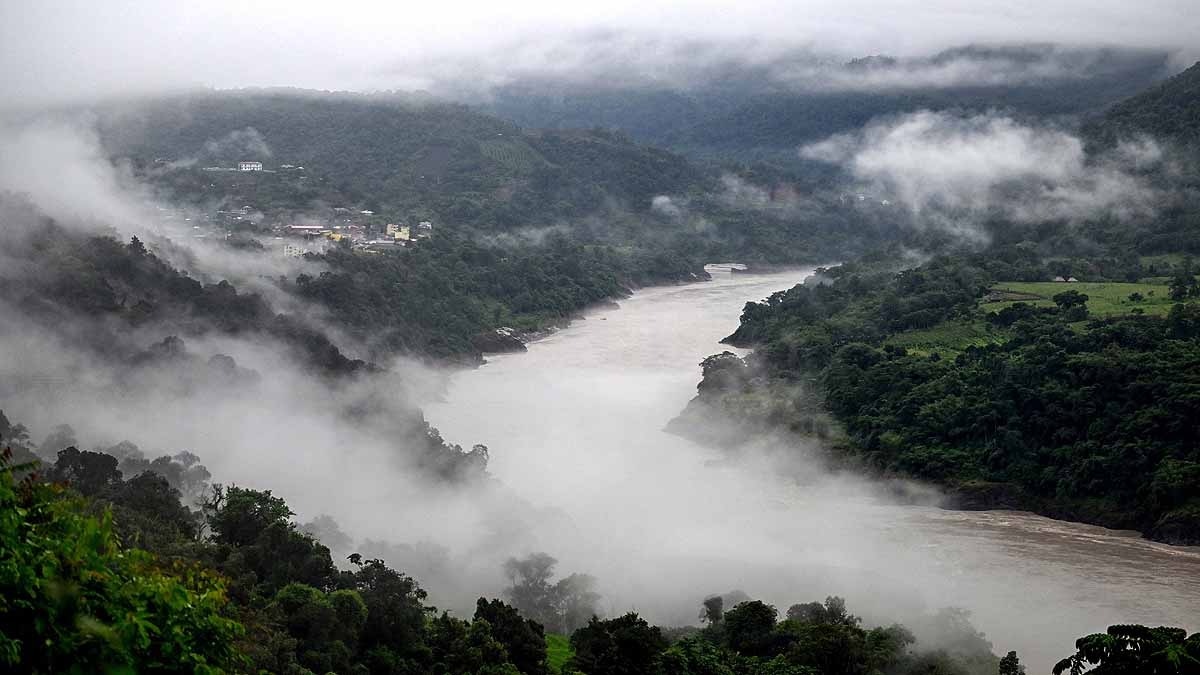
India faces a serious groundwater crisis as extraction rates dramatically exceed recharge levels, according to a report from the United Nations World Meteorological Organization. The gap between water being withdrawn from underground aquifers and the amount replenished through natural processes has widened significantly, creating an unsustainable deficit in the country's water balance.
The problem is most severe in northern and northwestern India, where groundwater depletion is outpacing replenishment by a substantial margin. This disparity indicates that current extraction practices are drawing down reserves faster than they can be naturally restored, raising concerns about long-term water availability across these densely populated regions.
The UN agency's findings underscore the urgency of addressing India's water management practices. Groundwater depletion poses risks not only to agricultural productivity but also to drinking water supplies for millions of people across the country. The warning reflects growing international concern about South Asia's water security in the face of rising demand and climate variability.
India's groundwater challenges require coordinated action on multiple fronts, including improved irrigation efficiency, sustainable extraction policies, and enhanced water conservation measures. Experts emphasize that without intervention, the current trajectory could exacerbate water scarcity across critical agricultural and urban centers.