World · India Bureau
Unauthorised herbicide-tolerant Bt cotton covers vast swathes of Indian farmland
A new study reveals that genetically modified cotton varieties with herbicide-tolerance traits are cultivated across up to 30 per cent of India's cotton-growing regions, despite lacking regulatory approval. The unauthorised crops raise questions about biosafety protocols and seed supply chain oversight in the country.
LSN India ·
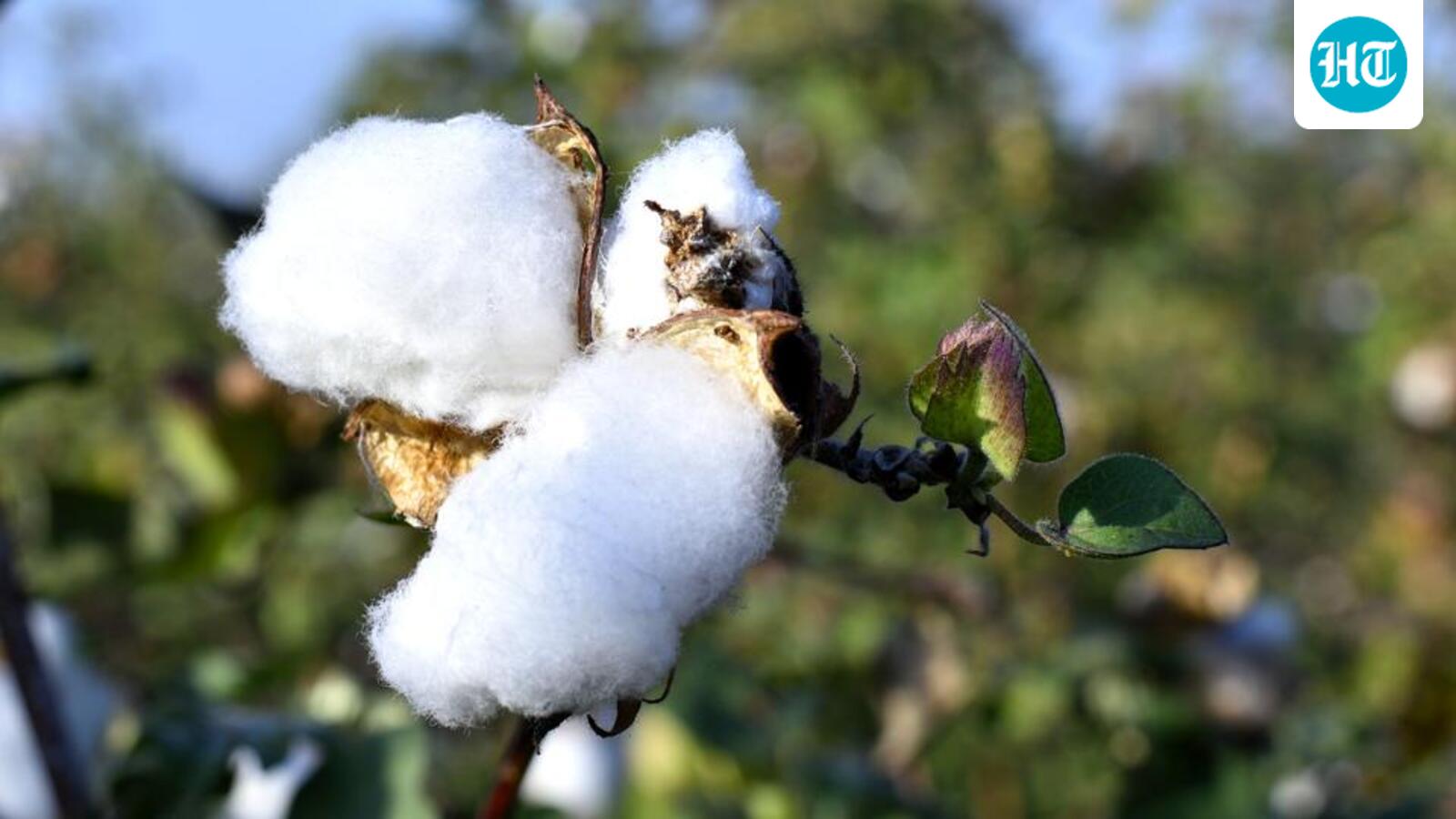
Herbicide-tolerant Bt cotton (HTBt), which combines insect-resistance with tolerance to glyphosate-based weedkillers, has achieved significant penetration in Indian cotton fields without obtaining formal clearance from domestic regulators, according to recent research findings. The variety enables farmers to deploy glyphosate for efficient weed management, offering agronomic advantages over conventional Bt cotton strains.
The widespread adoption across an estimated 30 per cent of India's cotton cultivation area underscores a substantial gap between regulatory frameworks and ground-level agricultural practices. HTBt seeds appear to have entered the market through informal channels or cross-border sources, circumventing the approval mechanisms established by India's genetic engineering appraisal committees.
The findings raise concerns about biosafety oversight, as unauthorised genetically modified organisms may not have undergone requisite environmental and health impact assessments mandated by Indian regulations. Agricultural experts emphasise the importance of formal approval pathways to ensure comprehensive evaluation of transgenic crops before large-scale deployment.
The discovery highlights challenges in monitoring seed supply chains across India's vast cotton belt, which spans multiple states and involves numerous private seed companies and informal distribution networks. Regulators face mounting pressure to either formally assess HTBt cotton for approval or enforce stricter controls to prevent further unauthorised cultivation of genetically modified varieties in Indian agriculture.