World · India Bureau
Understanding AQI and GRAP: How India measures air quality
As Delhi-NCR continues to grapple with hazardous pollution levels despite stringent restrictions, understanding the Air Quality Index and the Graded Response Action Plan becomes critical for residents and policymakers alike.
LSN India ·
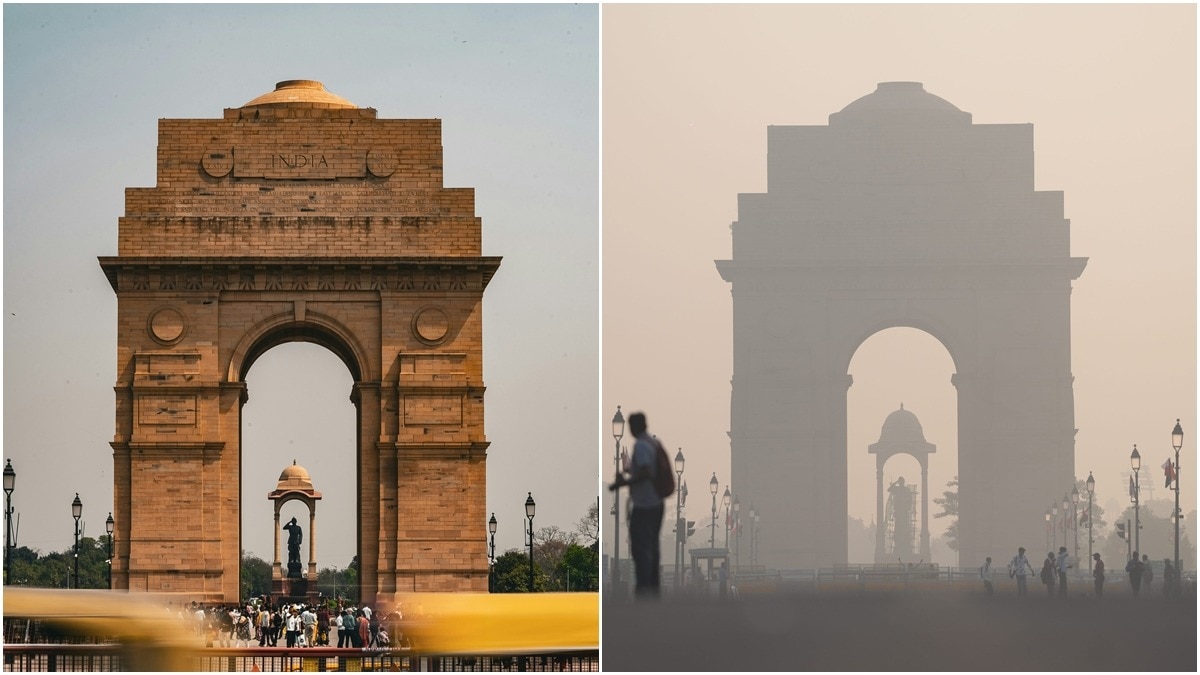
The Air Quality Index, or AQI, serves as the primary metric for measuring air pollution across India. This standardized scale quantifies the concentration of harmful pollutants in the atmosphere and translates them into a simple numerical index that indicates whether air quality poses health risks to the general population. The index ranges from 0 to beyond 500, with higher values indicating more severe pollution levels and greater health hazards.
Eight major pollutants contribute to the overall AQI calculation: particulate matter measuring 2.5 microns (PM2.5) and 10 microns (PM10), nitrogen dioxide, sulphur dioxide, carbon monoxide, ozone, ammonia, and lead. PM2.5 particles, being extremely fine, can penetrate deep into the lungs and bloodstream, making them particularly dangerous to human health. These pollutants originate from various sources including vehicular emissions, industrial discharge, construction activities, and agricultural burning, particularly during winter months in North India.
When pollution levels reach concerning thresholds, authorities implement the Graded Response Action Plan, or GRAP, a series of escalating restrictions designed to reduce pollution. GRAP operates on multiple stages, with progressively stringent measures such as restrictions on construction activities, limitations on vehicle movement, industrial shutdowns, and advisories against outdoor activities. These measures are triggered based on AQI readings and forecasted pollution levels, aiming to curb emissions and improve air quality before conditions become critically hazardous.
Despite the implementation of GRAP restrictions in Delhi-NCR, air quality improvements have remained elusive, with pollution levels persisting in the severe category for extended periods. Experts attribute this persistence to the region's geographical factors, meteorological conditions that trap pollutants in the lower atmosphere, and the cumulative nature of pollution sources that require sustained, multi-sector interventions beyond temporary restrictions.