World · Malaysia Bureau
Understanding flood alerts not enough; advance planning crucial
While flood warnings provide critical information to residents, experts warn that genuine preparedness requires families and communities to develop concrete action plans well before dangerous weather strikes. Advanced planning can mean the difference between safety and tragedy when floodwaters rise.
LSN Malaysia ·
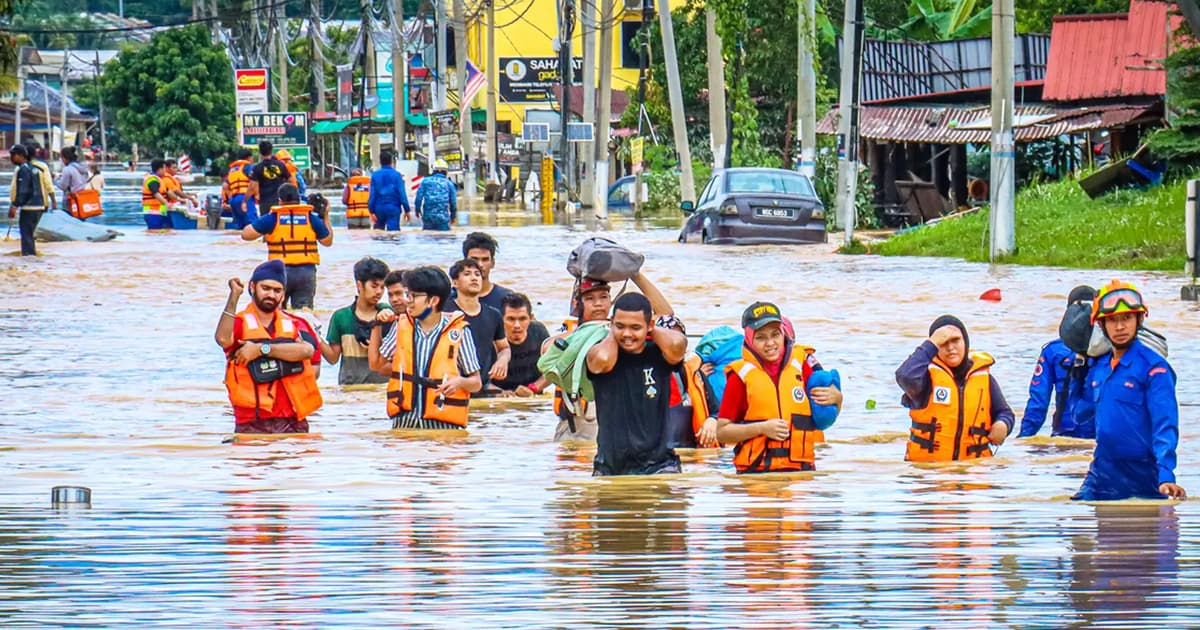
Receiving and comprehending a flood warning represents only the first step in protecting lives and property, according to disaster management specialists across the region. The ability to read and understand alert systems has improved significantly in recent years, yet many residents remain unprepared when actual flooding occurs, leaving them vulnerable to injury and loss.
True preparedness demands that individuals and households establish detailed response protocols long before monsoon seasons or heavy rainfall events materialise. This includes identifying evacuation routes, assembling emergency supply kits, securing important documents, and establishing communication plans with family members. Communities should also map out safe zones and ensure vulnerable populations—including the elderly and disabled—have support networks in place.
Experience from previous flood events demonstrates that those who survive with minimal loss have typically invested time in advance preparation. Families should conduct regular drills to ensure all members understand what to do when warnings are issued, reducing confusion and panic during actual emergencies. Local authorities emphasise that community-level preparedness, including neighbourhood coordination and shared resources, further strengthens resilience.
With climate patterns increasing flood frequency and intensity across South and Southeast Asia, regional governments are intensifying public education campaigns to bridge the gap between awareness and readiness. The message remains consistent: waiting until a warning is issued to plan your response is too late.