World · India Bureau
Understanding India's Legislative Councils: Structure, Powers and Reform
India's Legislative Councils serve as the upper house in several states, operating under constitutional provisions to review and refine legislation. These bicameral bodies have sparked debate over their necessity and effectiveness since independence.
LSN India ·
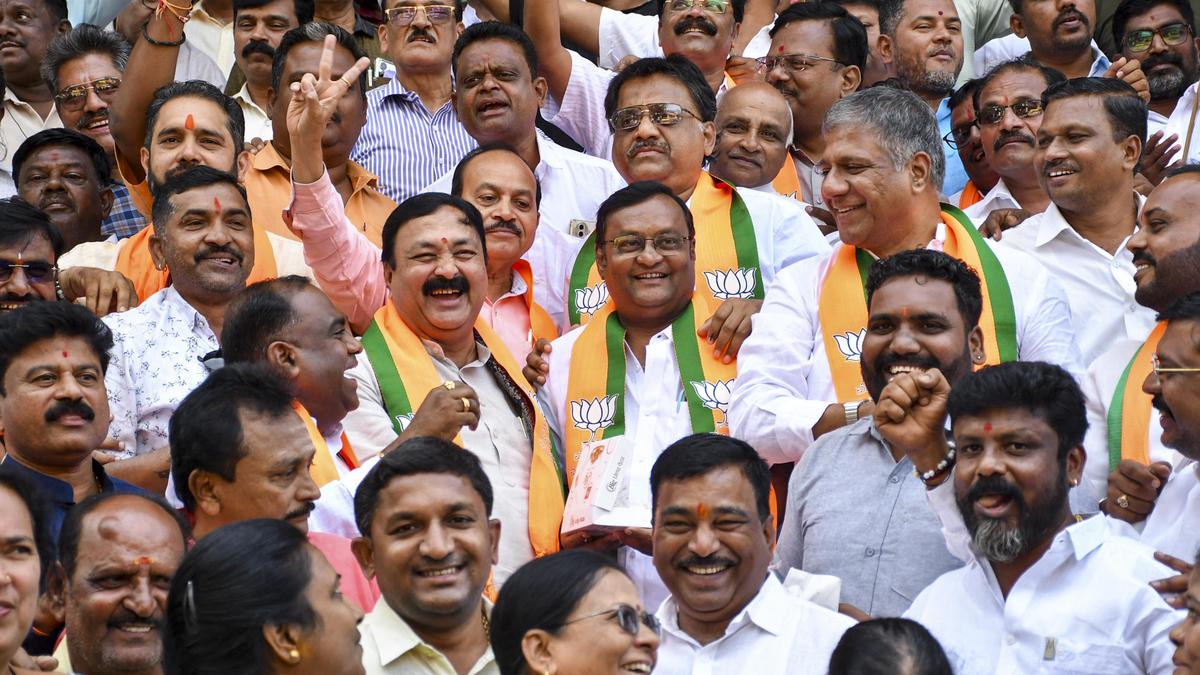
Legislative Councils exist in India as the upper chamber of state legislatures, established under Articles 168 and 169 of the Constitution. These bodies function in states including Maharashtra, Karnataka, Tamil Nadu, Andhra Pradesh, Telangana, Uttar Pradesh, Bihar, and Jammu and Kashmir, operating parallel to elected Legislative Assemblies. The constitutional framework allows state legislatures to create or abolish these councils through a specified legislative procedure, reflecting India's federal structure that grants considerable autonomy to individual states.
Membership in Legislative Councils comprises several categories with different selection methods. Members are elected by state Legislative Assembly members, local body representatives, and teachers and graduates within the state. Additionally, the Governor nominates a portion of members to represent literature, science, arts, and social services. This mixed composition was designed to bring diverse expertise and perspectives to legislative deliberations, though the proportion of nominated versus elected members varies by state.
The powers of Legislative Councils remain limited compared to their counterparts in the lower house. These upper chambers can review, amend, and delay legislation, but cannot ultimately prevent passage of bills approved by the Assembly. Money bills and certain constitutional amendments bypass the Council entirely, restricting its fiscal authority. This subordinate status has generated persistent discussion about whether these bodies justify their operational costs and administrative overhead.
Reform proposals, notably from the Second Administrative Reforms Commission, questioned the utility of Legislative Councils in their current form. The Commission examined whether these institutions adequately served their intended purposes of providing checks on legislative action and incorporating specialized knowledge. Discussions centered on restructuring membership criteria, enhancing council powers, or reconsidering whether states should maintain bicameral legislatures given resource constraints and governance efficiency concerns that remain relevant in contemporary Indian governance debates.