World · India Bureau
Understanding Israel's Electoral System: Thresholds and Coalition Politics
Israel's parliamentary democracy operates through a unicameral legislature known as the Knesset, comprising 120 members elected for four-year terms. The system employs specific electoral thresholds and coalition-building mechanisms that shape the country's political landscape.
LSN India ·
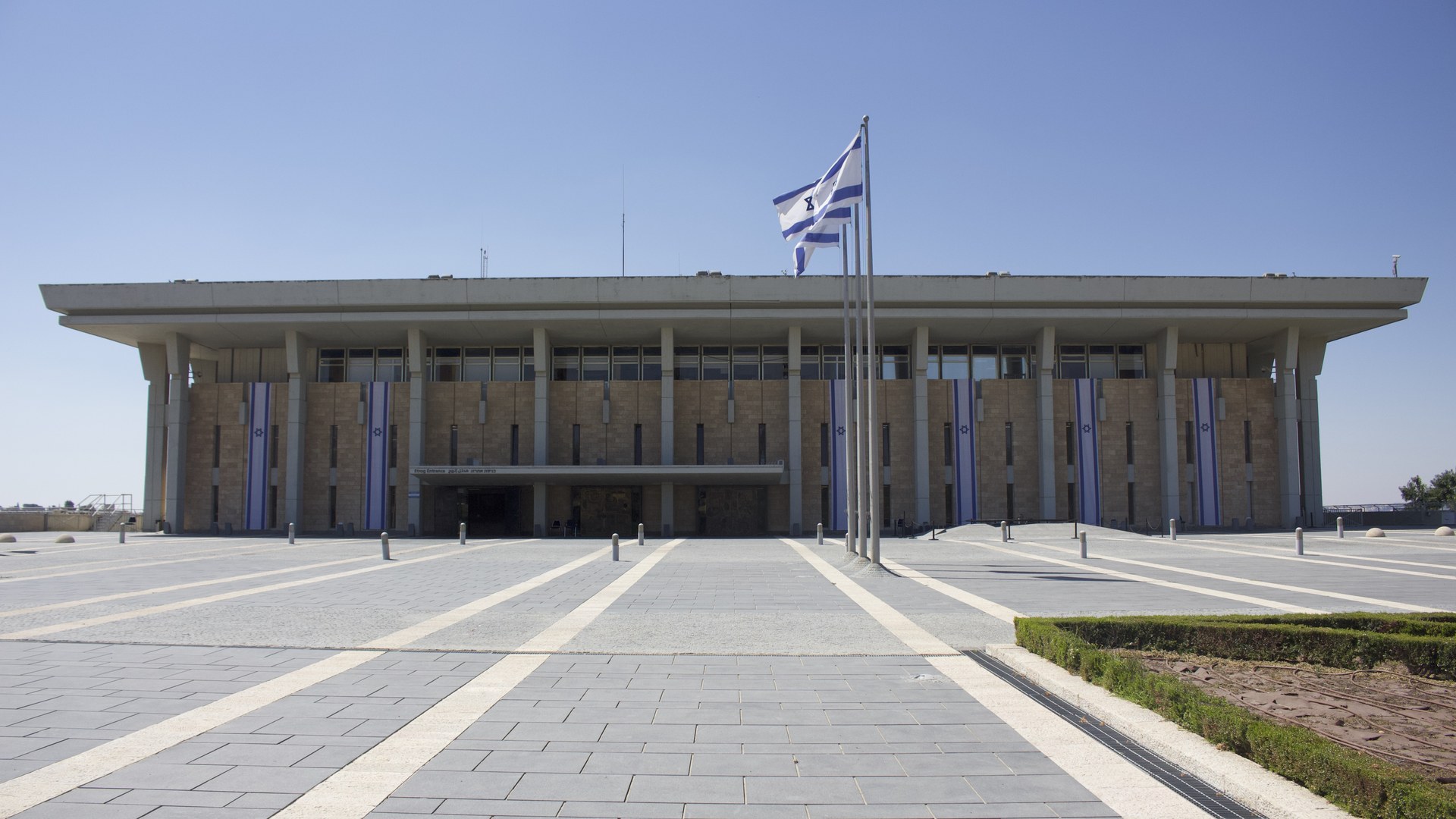
Israel's political structure centers on the Knesset, a single legislative chamber that serves as the nation's primary governing body. Members are elected to serve four-year terms, with the electoral process designed to ensure proportional representation across the country's diverse political spectrum.
The Israeli electoral system employs ineligibility thresholds that determine which parties can secure parliamentary seats. These thresholds establish minimum vote requirements, preventing fragmentation by ensuring that only parties meeting specified criteria gain representation in the Knesset. The specific percentage requirements have been adjusted periodically to reflect evolving political needs.
Coalition formation plays a central role in Israeli governance. With proportional representation producing a multi-party parliament, no single party typically commands an outright majority. This necessitates coalition agreements between multiple parties to form a government with the requisite 61 votes needed to pass legislation and maintain executive authority.
The interplay between electoral thresholds and coalition requirements creates a distinctive political dynamic. Smaller parties often wield significant influence in government formation despite modest vote shares, as larger parties require their support to achieve governing majorities. This system has produced diverse coalition governments reflecting various ideological combinations across Israel's political spectrum.
Photo: The Knesset, Israel's parliament, in Jerusalem, July 2022. Clema12 via Wikimedia Commons (CC BY-SA 4.0).