World · India Bureau
Understanding MLC Elections: Voters and Selection Process Explained
State Legislative Councils, or MLCs, serve as the upper house in India's bicameral legislatures. The election process and voter eligibility vary significantly across states, making these polls distinct from direct popular elections.
LSN India ·
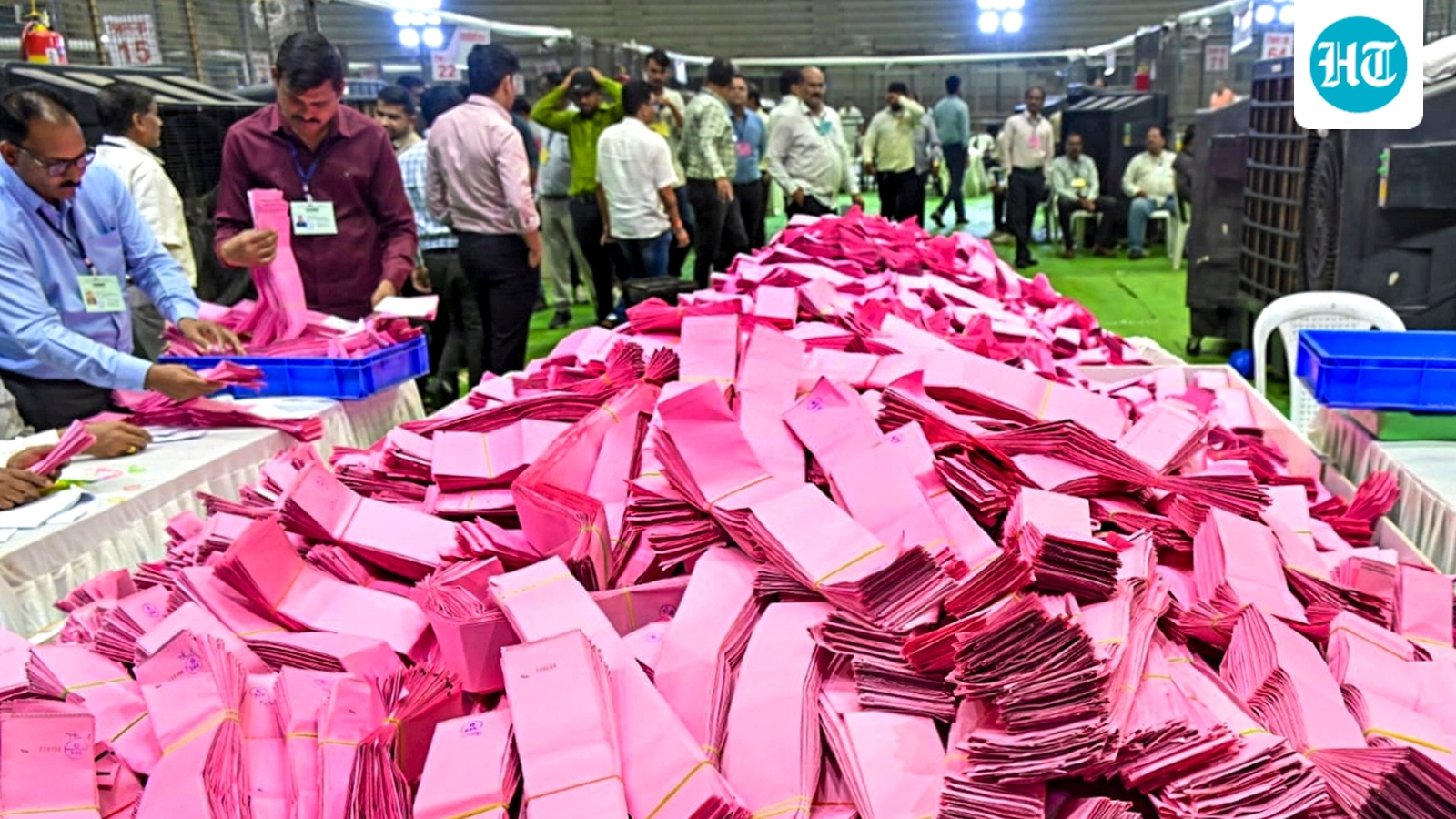
India's bicameral state legislatures feature an upper house known as the State Legislative Council or Vidhan Parishad, which exists in 6 states across the country. These bodies differ markedly from the directly elected lower houses in their composition and selection methods.
Unlike lower house elections where all eligible voters participate, MLC elections employ multiple indirect voting mechanisms. Depending on the state and the specific seat, voters may include state assembly members, local body representatives, teachers, and graduates. This multi-tiered system ensures representation from various constituencies and professional groups within the state.
The method of filling MLC seats varies across states. Some seats are filled through elections by state assembly members, others by municipal corporation representatives and panchayat members, while certain seats may be nominated by the state governor or reserved for specific professional categories such as educators and university graduates. This diversity in selection processes reflects constitutional provisions that allow states flexibility in structuring their legislative councils.
The upper houses typically comprise between 40 and 80 members, with exact numbers determined by individual state constitutions. Members serve six-year terms, with roughly one-third of the council facing elections every two years, ensuring continuity and stable legislative functioning.
These elections remain less visible than state assembly polls, yet they play a crucial role in legislative processes, including bill reviews and amendments. Understanding the distinct voting patterns and selection criteria is essential for comprehending how state governments function across India's federal structure.