World · Bangladesh Bureau
Understanding negative drug tests: detection methods and timelines explained
A negative drug test result indicates the absence of detectable drugs or their metabolites in a person's system. The time required to detect substances varies significantly depending on the type of test used and the specific drug involved.
LSN Bangladesh ·
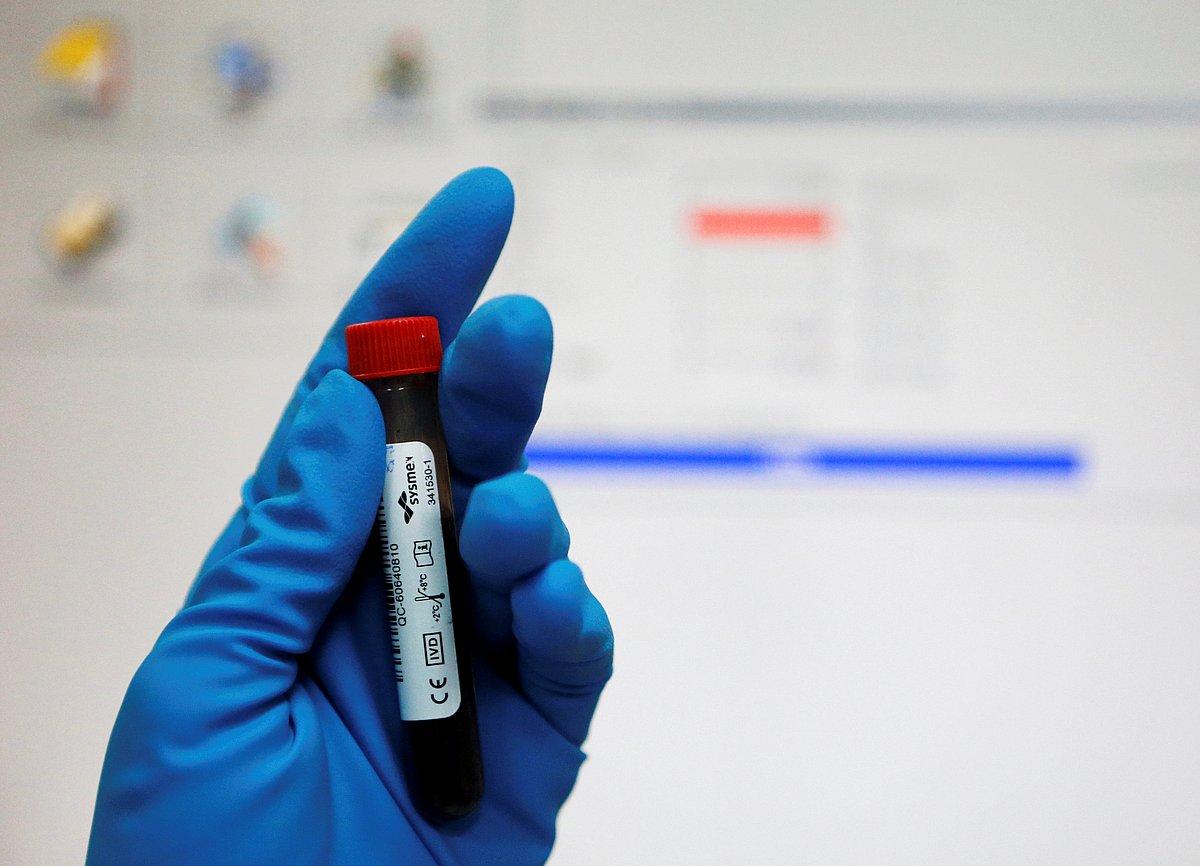
Drug testing has become increasingly common in workplaces, sports competitions, and legal proceedings across South Asia. When a test returns a negative result, it means that screening procedures have found no evidence of prohibited substances above the established threshold levels. However, the ability to detect drugs depends on multiple factors including the testing method employed and the window of detection for each substance.
Different drug testing methods offer varying detection windows. Urine tests, the most widely used screening approach, can typically detect drug use within 24 hours to several days after consumption, though some substances may be identifiable for longer periods. Saliva tests provide a shorter detection window of generally 24 to 48 hours, making them suitable for detecting recent use. Blood tests offer high accuracy but have a limited detection window of several hours to a few days. Hair follicle tests represent the longest detection window, potentially identifying drug use from several weeks to months prior.
The specific drug being tested significantly affects detection timelines. Marijuana metabolites may remain detectable in urine for up to 30 days in regular users, while cocaine and methamphetamine typically appear for 2 to 4 days. Opioids generally remain detectable for 1 to 3 days. These variations mean that a negative result does not necessarily indicate the person has never used drugs, only that no detectable amounts are present at the time of testing.
Accuracy of drug tests has improved substantially with modern laboratory techniques. Confirmatory tests using gas chromatography and mass spectrometry provide definitive results when initial screening proves positive. However, false negatives can occur due to improper sample collection, diluted specimens, or testing below the established threshold. Understanding these variables is essential for interpreting test results accurately in professional and legal contexts throughout the region.