World · India Bureau
Understanding the Key Differences Between RO and Water Purifiers
While many Indian households treat reverse osmosis and water purifiers as interchangeable, the two technologies operate on distinct principles and suit different water quality conditions. Understanding their differences is crucial for selecting the right purification system for your home.
LSN India ·
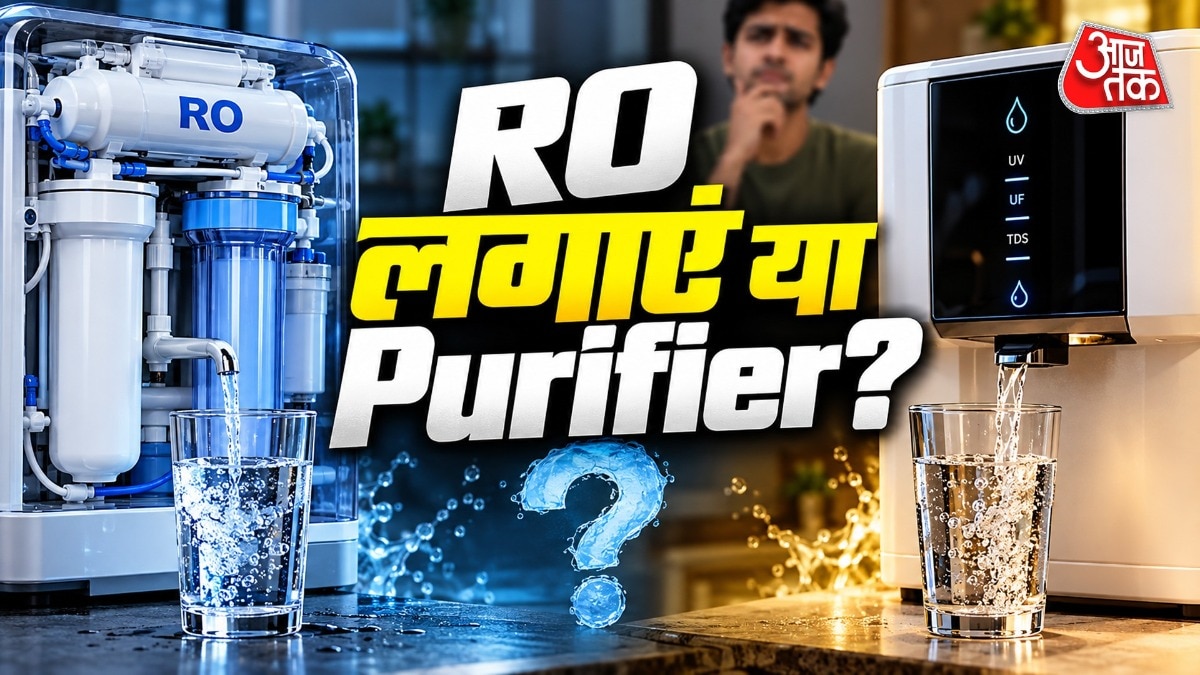
Reverse osmosis (RO) and conventional water purifiers are often confused by consumers, but they employ fundamentally different filtration mechanisms suited to varying water quality scenarios. RO systems use semi-permeable membranes that force water through microscopic pores under pressure, effectively removing dissolved salts, minerals, and contaminants. This technology proves particularly effective in regions with high total dissolved solids (TDS) levels in the water supply.
In contrast, ultraviolet (UV) and ultrafiltration (UF) purifiers work through different processes. UV purifiers use ultraviolet light to neutralise bacteria, viruses, and other microorganisms without removing dissolved impurities. UF systems employ membrane filtration with larger pores than RO, eliminating suspended particles, bacteria, and some viruses while retaining beneficial minerals in the water. These methods are more suitable for relatively clean water supplies with lower TDS levels.
The choice between these purification technologies should depend on your local water quality characteristics. Households in areas with brackish or hard water with elevated TDS levels typically benefit from RO systems, though they may require additional maintenance and periodic membrane replacement. Those in regions with lower TDS but higher microbial contamination may find UV or UF systems more cost-effective and practical.
Experts recommend conducting a water quality test before investing in a purification system to determine TDS levels, bacterial content, and other contaminants. This assessment ensures you select the most appropriate technology for your specific water conditions, balancing purification effectiveness with long-term maintenance costs and water wastage considerations.