World · Singapore Bureau
Understanding the Physical Changes That Come With Aging
As the human body ages, it undergoes significant physiological transformations that affect nearly every system. Medical experts explain the biological processes behind these age-related changes and what people can expect.
LSN Singapore ·
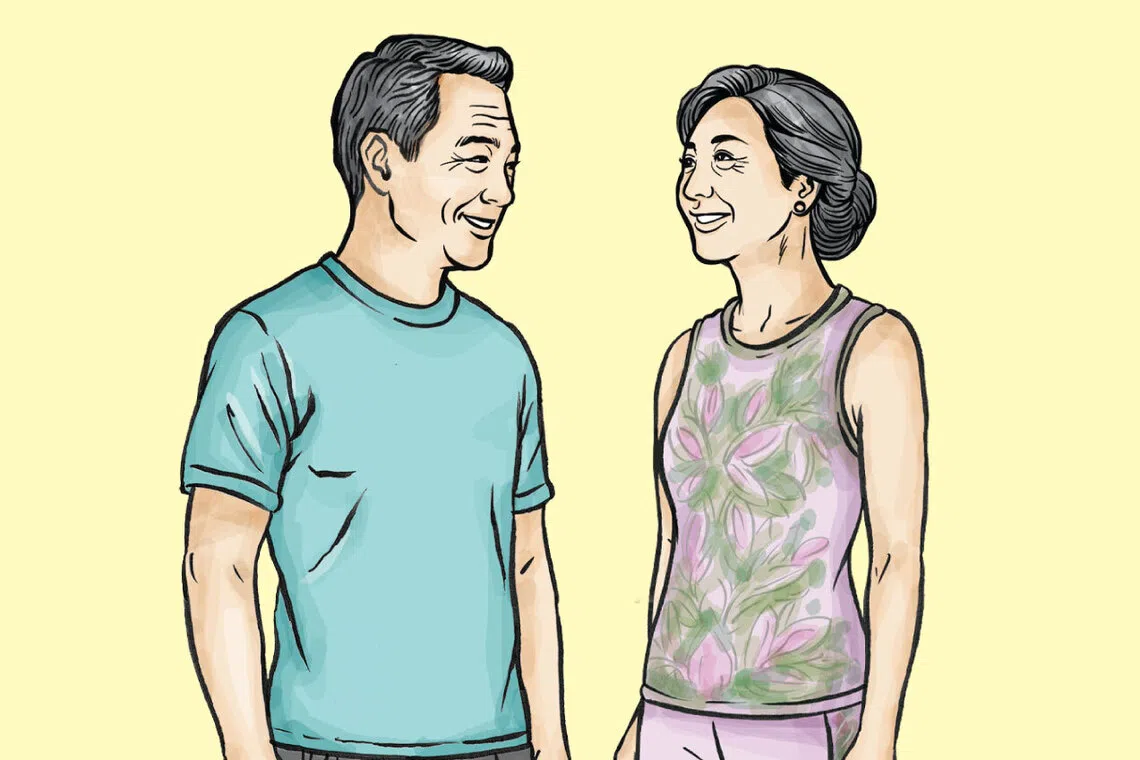
The aging process involves a complex series of changes at the cellular and molecular level that gradually alter how the body functions. From the moment individuals reach their 30s, various systems begin to show measurable signs of decline, though the rate and extent of these changes vary considerably from person to person based on genetics, lifestyle, and environmental factors.
Key changes occur across multiple bodily systems as people age. Muscle mass naturally decreases—a condition known as sarcopenia—while bone density declines, increasing the risk of fractures. The cardiovascular system becomes less efficient, with arteries stiffening and the heart pumping blood with reduced effectiveness. Cognitive function may slow, though significant memory loss is not a normal part of aging, and sensory abilities including vision and hearing typically diminish.
At the cellular level, the aging process involves the gradual shortening of telomeres, the protective caps on chromosomes that shorten with each cell division. Additionally, the body's ability to repair damaged DNA decreases over time, and cells accumulate mutations that can lead to various age-related conditions. The immune system also weakens, making older individuals more susceptible to infections and diseases.
Healthcare professionals emphasize that while aging is inevitable, the pace and severity of age-related changes can be influenced through modifiable factors. Regular physical activity, proper nutrition, adequate sleep, stress management, and maintaining social connections have been shown to slow certain aspects of aging and improve quality of life in later years. Understanding these biological changes helps individuals make informed decisions about their health and wellness strategies as they age.