Politics · Bangladesh Bureau
Understanding the President's Constitutional Powers, Salary and Official Privileges
Bangladesh's presidency carries significant ceremonial and constitutional responsibilities, with accompanying financial benefits and official privileges outlined in the country's founding documents. The role, while largely ceremonial in a parliamentary democracy, grants the head of state substantial formal authority in matters of state.
LSN Bangladesh ·
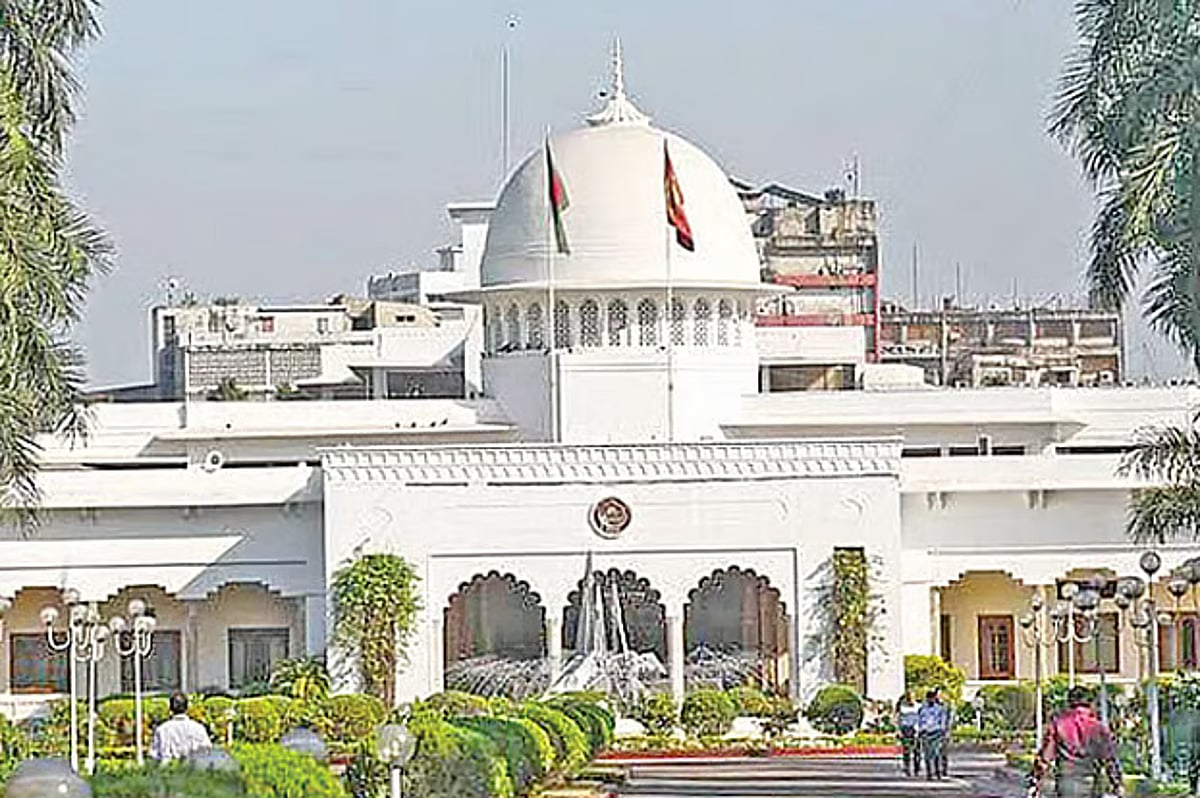
The President of Bangladesh serves as the constitutional head of state and supreme commander of the armed forces, exercising powers delegated under the Constitution. While the Prime Minister holds executive authority in day-to-day governance, the President retains important ceremonial functions and constitutional prerogatives, including the power to grant pardons, remit sentences, and grant reprieves to convicted persons.
The presidential office includes a substantial salary package, official residence, and state security arrangements befitting the nation's highest ceremonial position. The President receives a monthly remuneration determined by parliamentary statute, along with allowances for official expenses and maintenance of the presidential household. These financial provisions ensure the head of state can fulfill ceremonial duties and represent Bangladesh in official capacities.
Presidential privileges encompass immunity from legal proceedings during and after tenure for actions undertaken in an official capacity, protection of presidential communications, and use of state resources for official functions. The President also holds the authority to appoint judges, diplomatic personnel, and other senior officials, though many such appointments are made on the advice of the Prime Minister or relevant authorities.
The constitutional framework governing the presidency has evolved since independence, with successive amendments refining the division of powers between the ceremonial head of state and the executive government. The office remains integral to Bangladesh's constitutional architecture, symbolizing national unity and sovereignty while the Prime Minister manages the administration's day-to-day operations and policy implementation.