World · India Bureau
Understanding the 'W/L' warning boards along Indian railway tracks
Indian Railways uses W/L boards positioned along track sections to alert locomotive pilots of upcoming level crossings. The warning system prompts train operators to sound horns and alert pedestrians to potential hazards.
LSN India ·
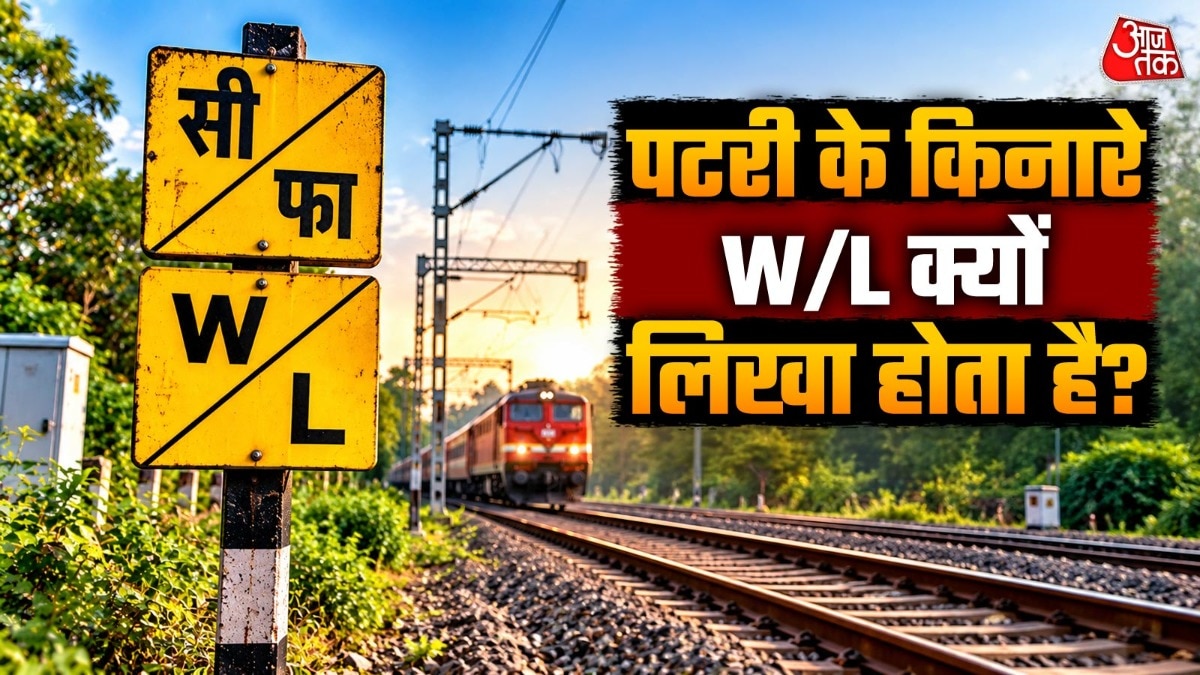
Indian Railways employs standardized signage along its extensive network to enhance safety at vulnerable points, with the W/L board serving as a critical advance warning mechanism. The W/L designation indicates the presence of a level crossing ahead—a point where railway tracks intersect with road traffic or pedestrian pathways at the same grade level.
Locomotion pilots rely on these boards to anticipate level crossings and take appropriate precautionary measures. Upon spotting a W/L board, train operators sound the locomotive horn or whistle to alert road users and pedestrians in the vicinity of the crossing. This auditory warning system has been a cornerstone of Indian Railways' safety protocols for decades.
Level crossings represent inherent safety risks where the convergence of rail and road traffic creates potential collision hazards. The advance warning provided by W/L boards allows locomotive crews crucial time to prepare for reduced speed operations and heightened vigilance. Road users and pedestrians near the crossing receive notification to clear the tracks before the train arrives.
The placement and maintenance of these warning boards form part of Indian Railways' broader safety infrastructure. As rail traffic continues to intensify across the country, such standardized signage remains essential for preventing accidents and protecting lives at the thousands of level crossings that dot the Indian railway network.