World · India Bureau
Understanding US Midterm Elections: Impact on Trump and Presidential Power
As the United States prepares for midterm elections, voters will decide control of Congress in a poll that could reshape the political landscape. These elections, held between presidential terms, determine whether sitting presidents maintain legislative support or face opposition from a rival party.
LSN India ·
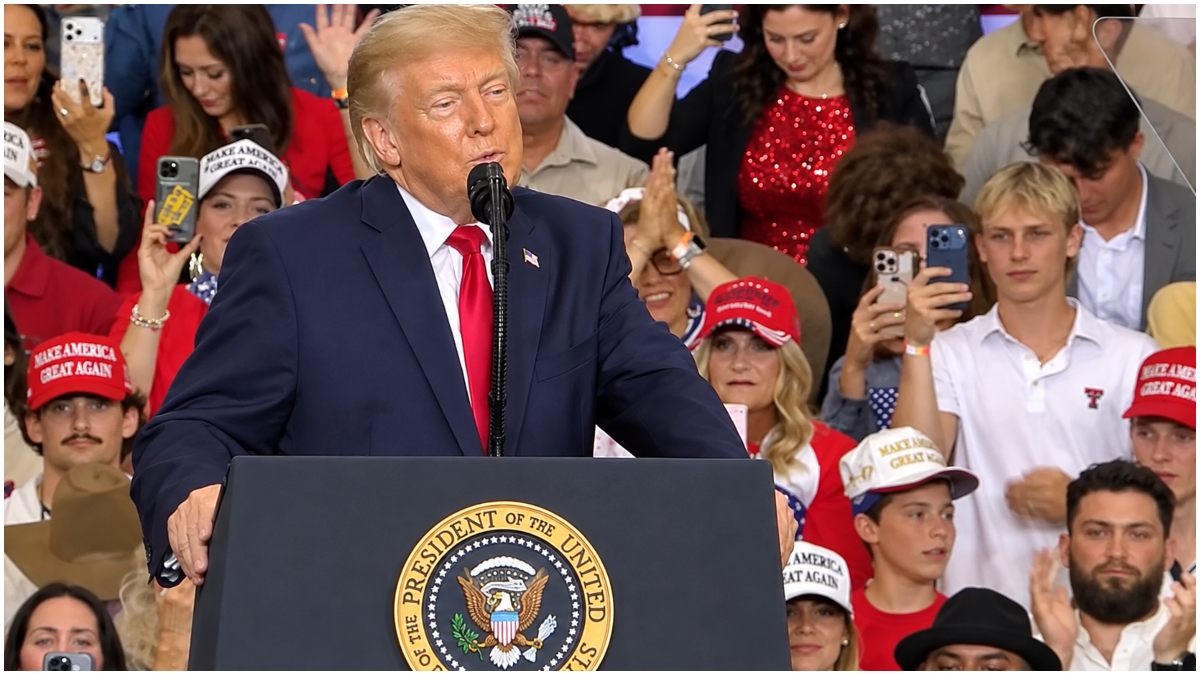
Midterm elections in the United States occur every two years, falling between presidential election cycles. Unlike presidential polls, these contests determine representation in Congress—specifically all 435 seats in the House of Representatives and approximately one-third of the 100 Senate seats. The elections serve as a referendum on the sitting president's performance and policies.
While midterm results cannot directly remove a president from office, they significantly impact a chief executive's ability to govern. A president whose party loses control of either chamber faces substantial obstacles in passing legislation, as the opposing party can block initiatives and launch investigations. This dynamic effectively constrains presidential power during the remaining term in office.
All American citizens aged 18 and above who meet residency requirements are eligible to vote in midterm elections. Voter participation in these contests typically runs lower than in presidential election years, though they attract considerable political attention and campaign spending. The outcomes often reflect broader national sentiment regarding economic conditions, foreign policy, and social issues.
Historically, the party holding the White House has frequently lost seats during midterms, a pattern known as the "midterm effect." This cyclical trend reflects voter desire for checks on executive power and opportunities to express dissatisfaction with the current administration. The results reshape congressional composition and influence policy direction for the remainder of the presidential term.