World · India Bureau
Understanding Your Electricity Meter's Blinking Light and Bill Impact
The indicator light on electricity meters serves an important function in tracking consumption. Monitoring its blinking speed can help consumers identify billing discrepancies and unexpected increases in their power bills.
LSN India ·
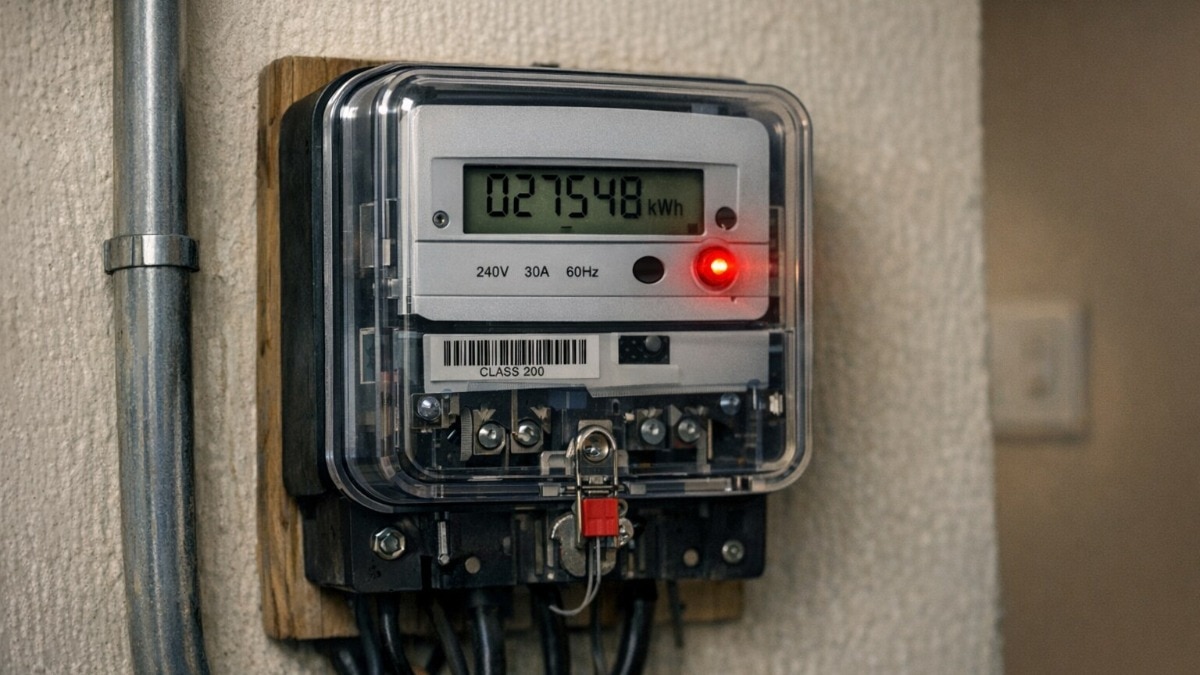
Most electricity meters in India feature a small indicator light that blinks continuously during power consumption. This blinking light, often overlooked by consumers, plays a crucial role in monitoring electrical usage and serves as a diagnostic tool for detecting potential billing issues.
The frequency at which the light blinks directly corresponds to the amount of electricity being consumed at any given moment. A faster blinking rate indicates higher power usage, while a slower rate suggests lower consumption. This visual indicator provides consumers with real-time feedback about their electricity draw, allowing them to identify patterns in their energy usage.
Experts caution that households failing to monitor this blinking pattern may end up with unexpectedly high electricity bills without understanding the underlying cause. By observing the light's behavior during different times of the day and various usage scenarios, consumers can establish a baseline for normal household consumption and spot anomalies that might warrant investigation.
Unusually rapid blinking when electrical appliances are switched off could signal potential meter malfunction, internal wiring issues, or unauthorised consumption within the premises. Monitoring the indicator light provides a simple yet effective method for households to cross-check their consumption patterns against submitted bills and identify discrepancies that warrant escalation to electricity distribution authorities. Many utility providers recommend using this visual feedback as a complementary tool alongside detailed bill analysis for comprehensive energy management.