World · India Bureau
Underwater microphones detect rare distress signals from porpoises
Marine researchers using advanced acoustic technology have recorded unusual distress calls from porpoises in European waters, providing scientists with new insights into cetacean communication during periods of stress.
LSN India ·
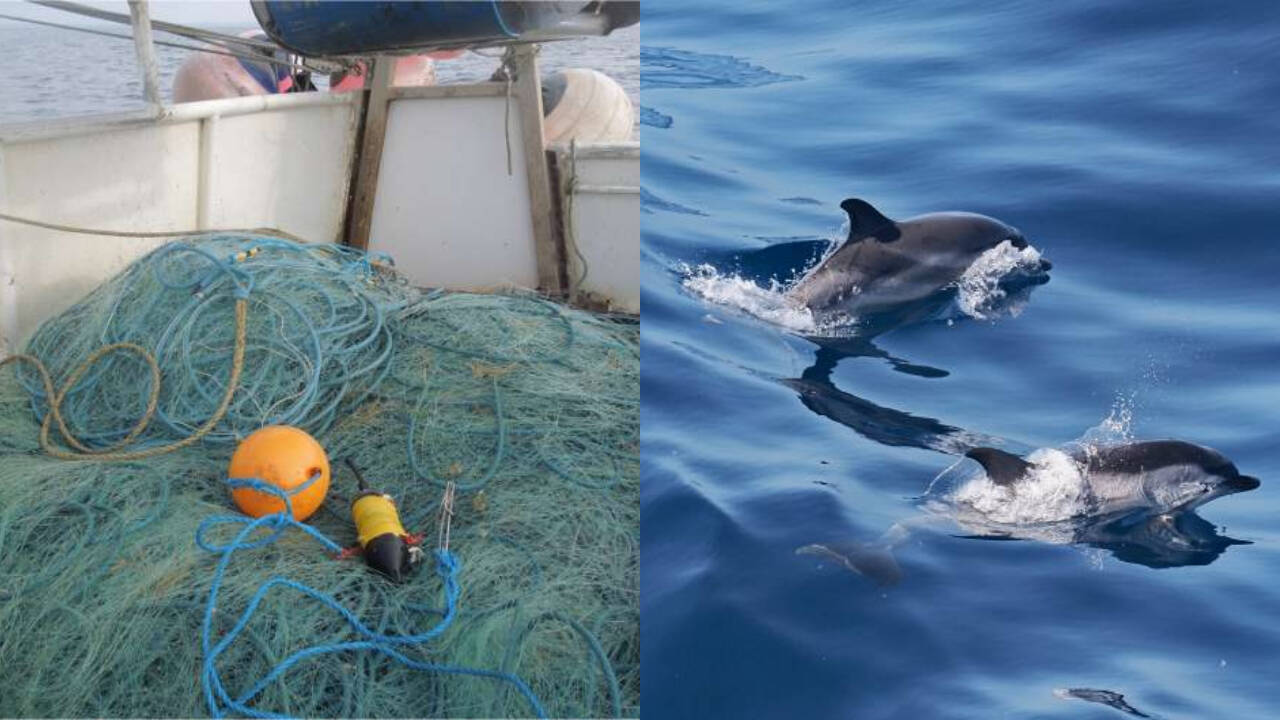
Underwater acoustic sensors deployed off the coast have successfully captured distress vocalizations from porpoises, marking a significant development in marine mammal research. The recordings represent a rare opportunity for scientists to study how these small cetaceans communicate when facing threatening situations.
Marine biologists deployed specialized hydrophones to monitor the acoustic environment of porpoise populations, detecting a series of high-frequency calls that differ markedly from their typical communication patterns. The distress signals provide researchers with previously unavailable data on how porpoises respond to perceived dangers in their natural habitat.
The discovery comes as marine scientists increasingly rely on acoustic monitoring to study cetacean behavior without direct human interference. These non-invasive techniques allow researchers to gather information about animal populations, their interactions, and responses to environmental stressors.
Specialists suggest the recorded calls may help inform conservation efforts and improve understanding of porpoise ecology. The data could prove valuable for assessing how marine mammals adapt to changing ocean conditions and identifying areas requiring enhanced protection.
Advances in underwater sensing technology continue to expand scientists' capacity to monitor and study marine life, offering new perspectives on the complex acoustic worlds inhabited by cetaceans and other ocean species.