Business · India Bureau
UNDP and HUL launch expanded partnership to boost plastic recycling across 50 Indian cities
The United Nations Development Programme and Hindustan Unilever have announced an expanded collaboration targeting 50,000 waste workers and improved recycling systems across 50 cities by 2028. The initiative builds on seven years of partnership to create an inclusive circular economy for plastics.
LSN India ·
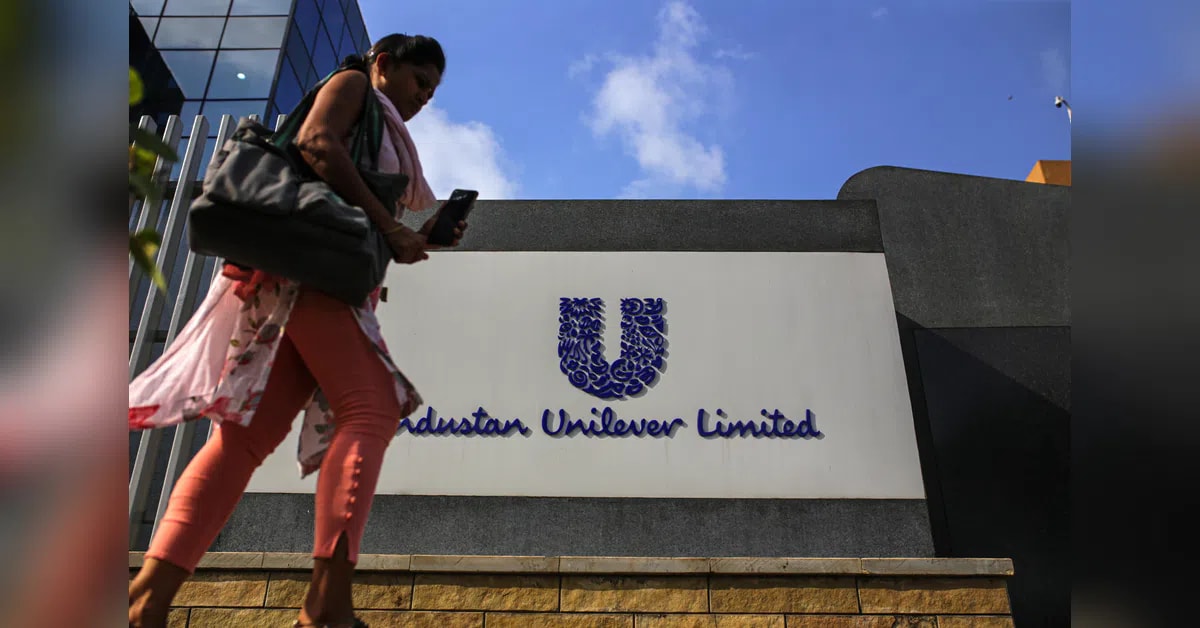
The United Nations Development Programme (UNDP) in India and Hindustan Unilever Ltd (HUL) have unveiled the next phase of their partnership aimed at transforming plastic waste management across urban India. The expanded collaboration will work toward formalising and improving the livelihoods of 50,000 Safai Mitras—informal waste workers—while strengthening circular economy practices in 50 cities by 2028.
Building on their seven-year partnership, the initiative concentrates on four key pillars: social inclusion of waste workers, development of efficient urban waste management systems, enhanced recycling efficiency, and knowledge transfer. The programme places particular emphasis on women waste workers, recognizing their critical role in India's waste management ecosystem.
Under the social inclusion component, the partnership will formalize employment and improve working conditions for the targeted 50,000 Safai Mitras. The collaboration will simultaneously support urban local bodies in developing decentralized and resilient waste management infrastructure, strengthening source segregation practices, and improving recovery and recycling operations across supply chains.
The initiative addresses India's growing challenge of plastic waste management by combining corporate resources with development expertise and municipal capacity. By targeting multiple cities simultaneously, the partnership seeks to create scalable models that can be replicated across the country, while generating sustainable livelihoods for informal waste workers often excluded from formal economy benefits.