World · India Bureau
UNESCO panel urges greater local involvement in Hampi heritage preservation efforts
A UNESCO expert committee has recommended enhanced community participation in conservation initiatives at the Hampi World Heritage Site in Karnataka. The advisory underscores the need for local stakeholders to play a more active role in protecting the historic ruins.
LSN India ·
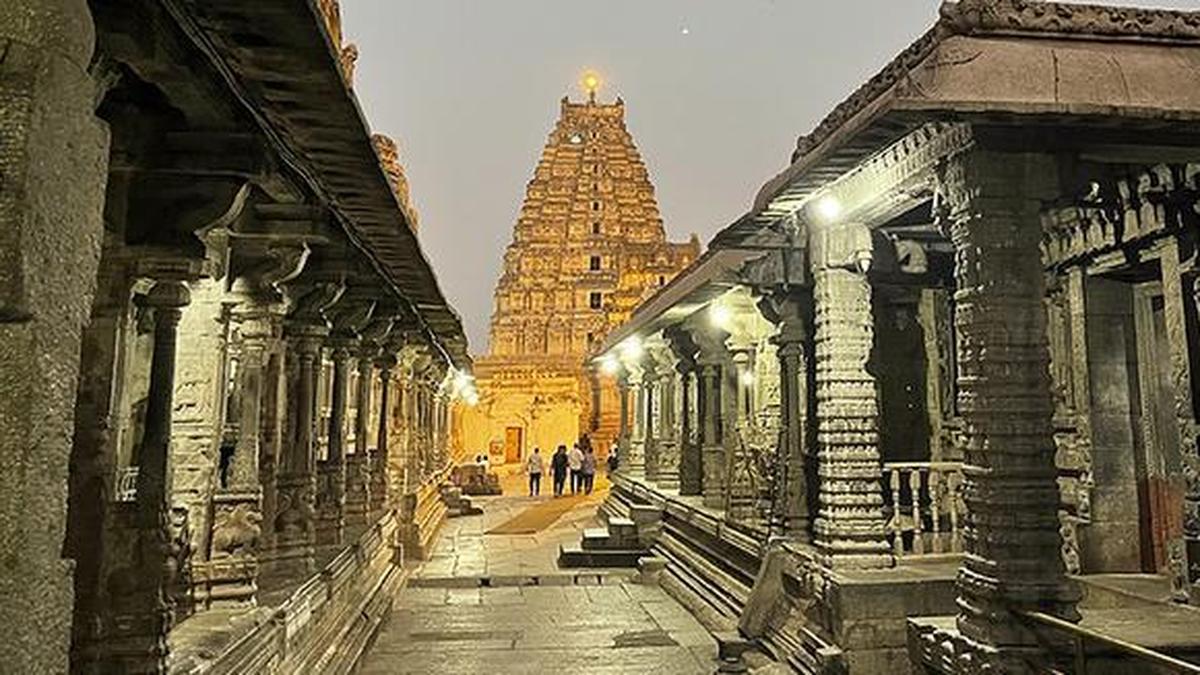
The UNESCO expert committee reviewing conservation efforts at Hampi has called for strengthened engagement with local communities in preservation planning and implementation. The recommendation reflects growing international recognition that successful heritage management requires meaningful participation from residents and stakeholders living in and around protected sites.
Hampi, located in northern Karnataka along the Tungabhadra River, was designated a UNESCO World Heritage Site in 1986 due to its exceptional collection of monuments from the Vijayanagara Empire. The sprawling archaeological complex encompasses temples, palaces, and fortifications dating from the 14th to 16th centuries, representing a significant period of Indian architectural and cultural achievement.
The expert committee's findings suggest that current conservation strategies would benefit from more robust dialogue with local communities, indigenous groups, and civil society organizations. Enhanced participation could improve awareness of conservation objectives while ensuring that preservation efforts align with the needs and concerns of those most directly affected by heritage management decisions.
The recommendations come as Hampi faces mounting pressures from tourism, urban development, and environmental challenges. Integrating community voices into conservation planning is seen as essential for developing sustainable approaches that protect the site's outstanding universal value while supporting long-term stewardship.
UNESCO has emphasized that such collaborative frameworks strengthen heritage conservation globally by combining expert knowledge with local ecological and cultural understanding.