Culture & Entertainment · Malaysia Bureau
UNESCO recognition not enough to revive silat without youth interest
Perak's chief minister warns that international recognition of silat cannot alone ensure the martial art's survival if young Malaysians continue to lose interest in the traditional discipline.
LSN Malaysia ·
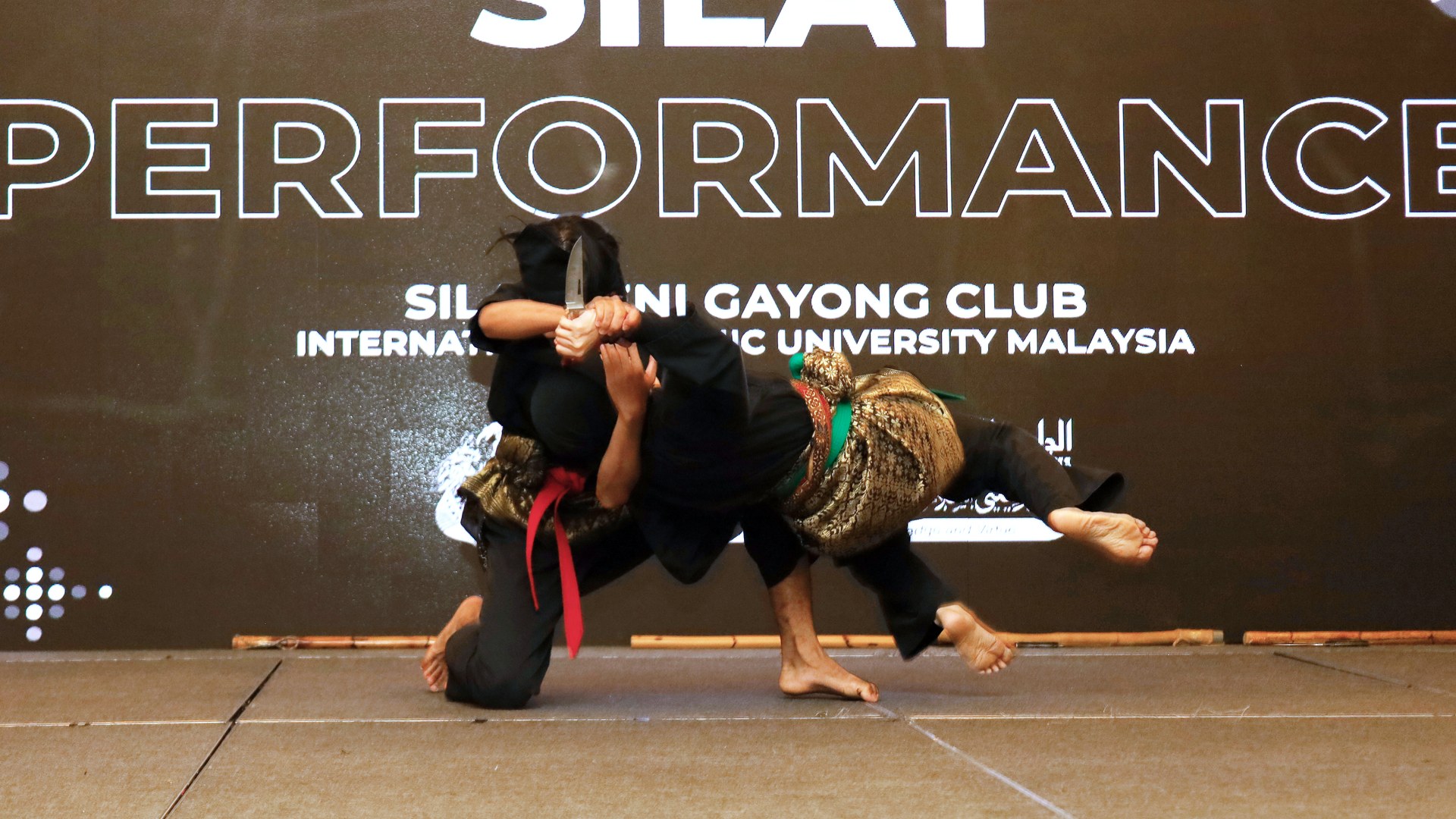
IPOH — Despite UNESCO's recent recognition of silat as an intangible cultural heritage, state leaders cautioned on Wednesday that the martial art faces an uncertain future without renewed youth engagement.
Perak Mentri Besar Datuk Seri Zambry Abdul Kadir said the global recognition, while significant, provides only a foundation for preservation efforts. The real challenge lies in captivating younger generations who increasingly turn toward modern sports and entertainment.
"The UNESCO status is an achievement that validates our cultural identity, but it cannot substitute for the interest and passion of our own people," Zambry stated. He emphasized that silat practitioners, educators, and community leaders must work collectively to make the martial art relevant and attractive to today's youth.
Silat, which encompasses a range of Malay martial arts with deep historical roots across Southeast Asia, has traditionally been transmitted through family lineages and village communities. However, urbanization and changing lifestyle preferences have eroded these transmission channels in recent decades.
The Perak chief minister called for enhanced integration of silat into school curricula and increased support for community silat centers, arguing that UNESCO recognition should serve as a catalyst for grassroots initiatives rather than a terminal achievement.
Photo: A Silat Gayong performance at the ESEAP Conference in Kota Kinabalu, Sabah, May 2024. Ahmad Ali Karim via Wikimedia Commons (CC0).