Business · World News Bureau
Uniqlo pivots to brand strength as Shein falters on market debut
While ultra-fast fashion retailer Shein struggles with its initial public offering plans, Japanese casual wear giant Uniqlo is doubling down on brand equity and quality positioning to capture market share in the competitive apparel sector.
LSN World News ·
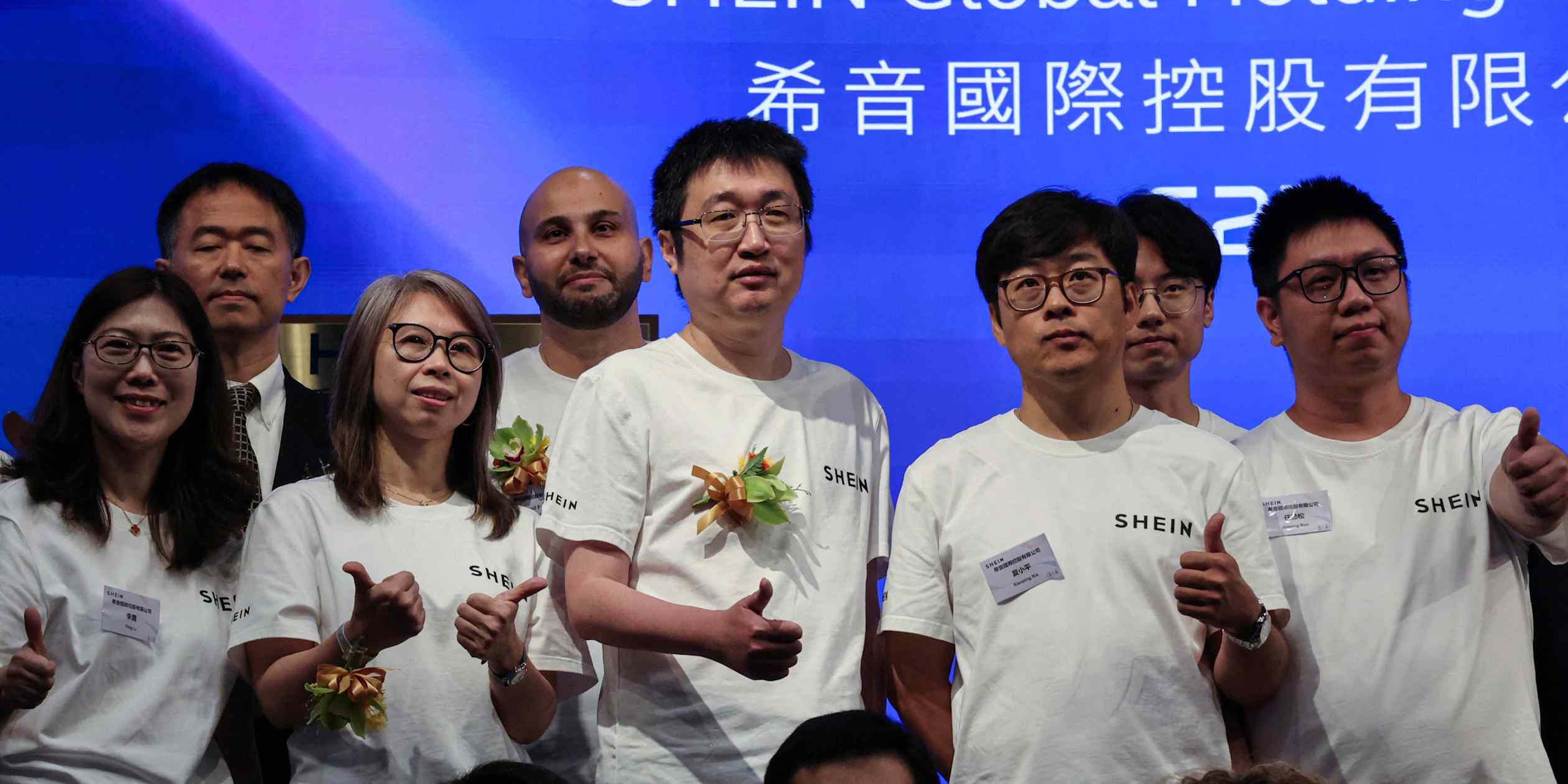
The diverging strategies of two major apparel retailers highlight contrasting approaches to capturing consumer demand in a volatile fashion market. Shein, known for rapid-turnaround ultra-cheap clothing production, has faced headwinds in its efforts to go public, encountering regulatory scrutiny and investor concerns about sustainability and labor practices. The company's delayed market debut has prompted executives to reassess their business model and public perception.
In contrast, Uniqlo, the Japan-based operator of affordable everyday wear, is strengthening its competitive position by emphasizing brand authenticity and product durability. The retailer has invested in supply chain improvements, design innovation, and customer experience enhancements to differentiate itself from competitors relying solely on low-cost positioning. This strategy reflects confidence in consumer willingness to pay modest premiums for perceived quality and ethical sourcing.
Industry analysts suggest the market is increasingly bifurcating between retailers offering genuinely affordable basics backed by reliable operations and those dependent on unsustainable pricing models. Uniqlo's emphasis on functional design, material quality, and brand trust appears to be resonating with consumers fatigued by throwaway fashion trends. The contrast underscores how retailers navigating post-pandemic consumer behavior must balance price competitiveness with operational sustainability and brand reputation.
The competitive dynamics reflect broader shifts in global retail, where transparency, environmental responsibility, and product longevity are gaining importance alongside affordability. Uniqlo's strategy suggests that capturing durable market leadership may require moving beyond the ultra-fast fashion model that defined the previous retail era.