World · Thailand Bureau
United States intensifies strategic push across Central Asia
Washington is stepping up diplomatic and strategic efforts in Central Asia, seeking to expand its influence in a region traditionally dominated by Russia and China. The move reflects growing US interest in the geopolitically significant area amid shifting global power dynamics.
LSN Thailand ·
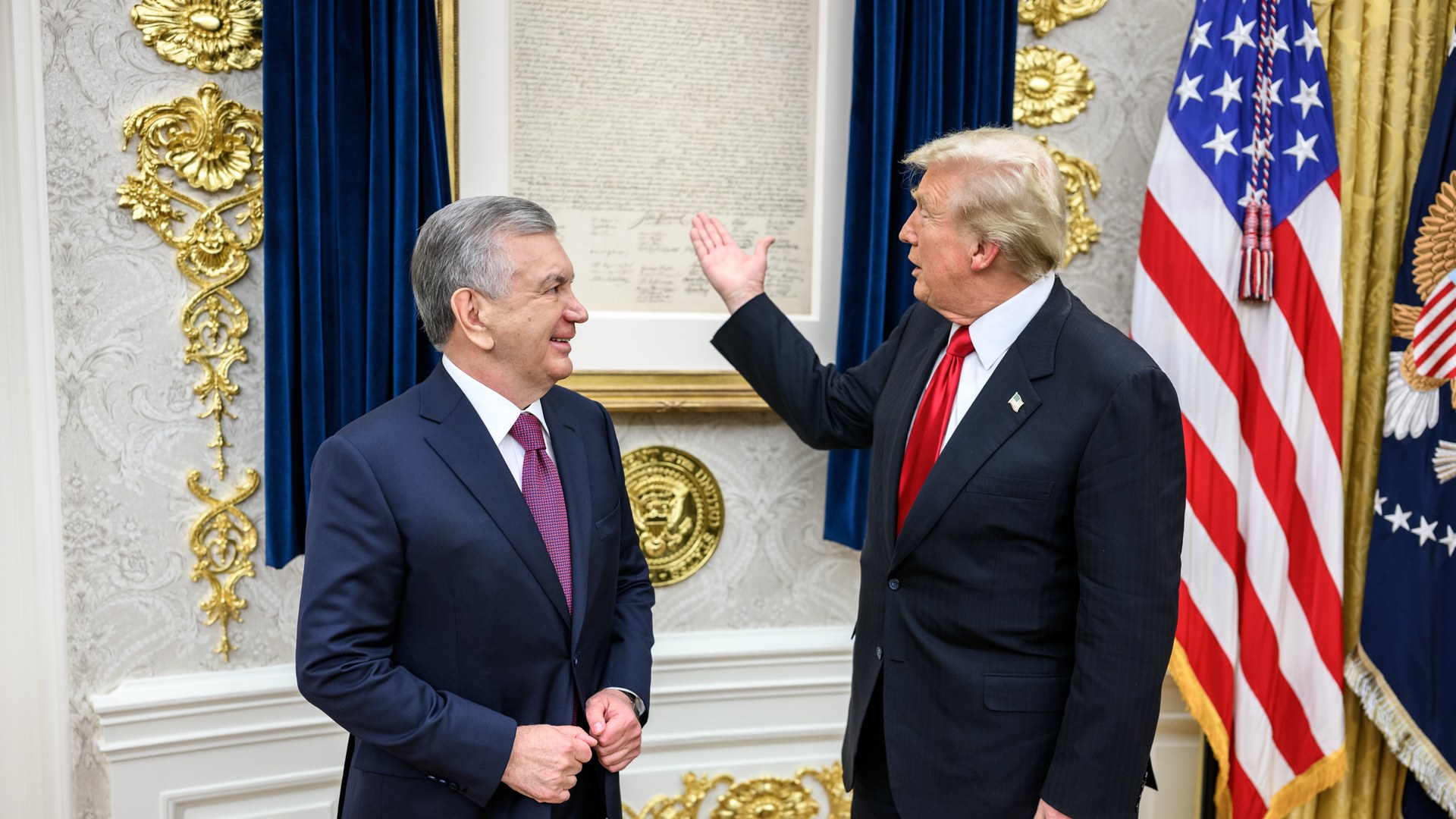
The United States is mounting an increasingly assertive campaign across Central Asia, deploying diplomatic resources and strategic partnerships to counter Russian and Chinese influence in the region. American officials have intensified engagement with Central Asian governments, focusing on economic cooperation, security partnerships, and infrastructure development initiatives.
The offensive represents a significant shift in US foreign policy priorities toward the landlocked region, which sits at the intersection of Russian, Chinese, and South Asian spheres of influence. Washington's strategy includes strengthening ties with Kazakhstan, Uzbekistan, Turkmenistan, Tajikistan, and Kyrgyzstan through targeted investment and military-to-military cooperation.
Central Asia holds strategic importance for regional stability, energy resources, and counterterrorism efforts. The US approach aims to support these nations' sovereignty and development while creating alternative partnerships that reduce their dependence on traditional regional powers. American engagement includes participation in regional forums, trade agreements, and security dialogues.
The intensified US presence in Central Asia signals Washington's determination to maintain its global influence and prevent any single power from dominating key geopolitical zones. The region's growing economic potential and its role in regional connectivity projects make it increasingly valuable to Washington's long-term strategic calculations.
Photo: President Donald Trump meets Uzbek President Shavkat Mirziyoyev in the Oval Office before a dinner with Central Asian (C5) leaders, November 2025. Daniel Torok, The White House, via Wikimedia Commons (public domain).