World · Bangladesh Bureau
United States offers $20 million bounty for Iranian nuclear intelligence
The US State Department has announced a substantial financial reward for information concerning Iran's nuclear weapons program. The offer reflects Washington's ongoing concerns about Tehran's atomic ambitions and international proliferation risks.
LSN Bangladesh ·
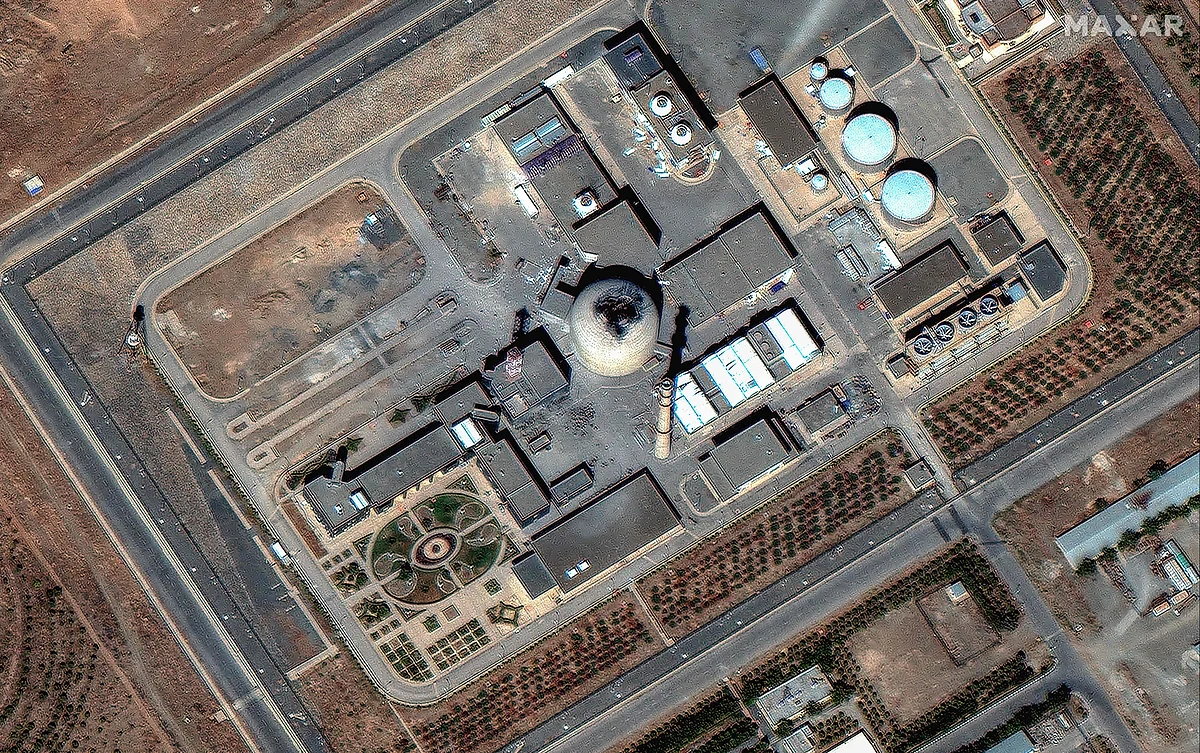
The United States has unveiled a $20 million reward program designed to incentivize disclosure of sensitive information related to Iran's nuclear weapons development efforts. The initiative, administered through official US government channels, targets intelligence that could illuminate Tehran's atomic research capabilities and activities beyond public scrutiny.
The bounty represents a continuation of American diplomatic and intelligence strategies aimed at constraining Iran's nuclear advancement. US officials have repeatedly expressed alarm over Iran's uranium enrichment activities and questioned the country's stated commitment to purely civilian nuclear applications under the terms of international agreements.
The reward program reflects broader US policy objectives in the Middle East, where concerns about Iranian regional influence intersect with nuclear non-proliferation priorities. International observers note that such financial incentives have occasionally yielded actionable intelligence in complex geopolitical contexts, though their effectiveness remains subject to debate among analysts.
Iran has consistently maintained that its nuclear program is designed exclusively for peaceful energy and medical purposes, rejecting accusations of weapons development. The country's leadership has characterized US sanctions and intelligence operations as unlawful interference in its sovereign affairs.
The announcement underscores persistent tensions between Washington and Tehran over nuclear policy, an issue that has remained contentious across multiple US administrations and continues to shape regional strategic calculations.