Technology · Malaysia Bureau
Universities face pressure to overhaul systems for artificial intelligence age
As artificial intelligence technology becomes increasingly prevalent, educational institutions across the region are grappling with the need for fundamental changes to curricula, teaching methods, and institutional structures. Experts warn that without significant reform, universities risk falling behind in preparing graduates for an AI-driven economy.
LSN Malaysia ·
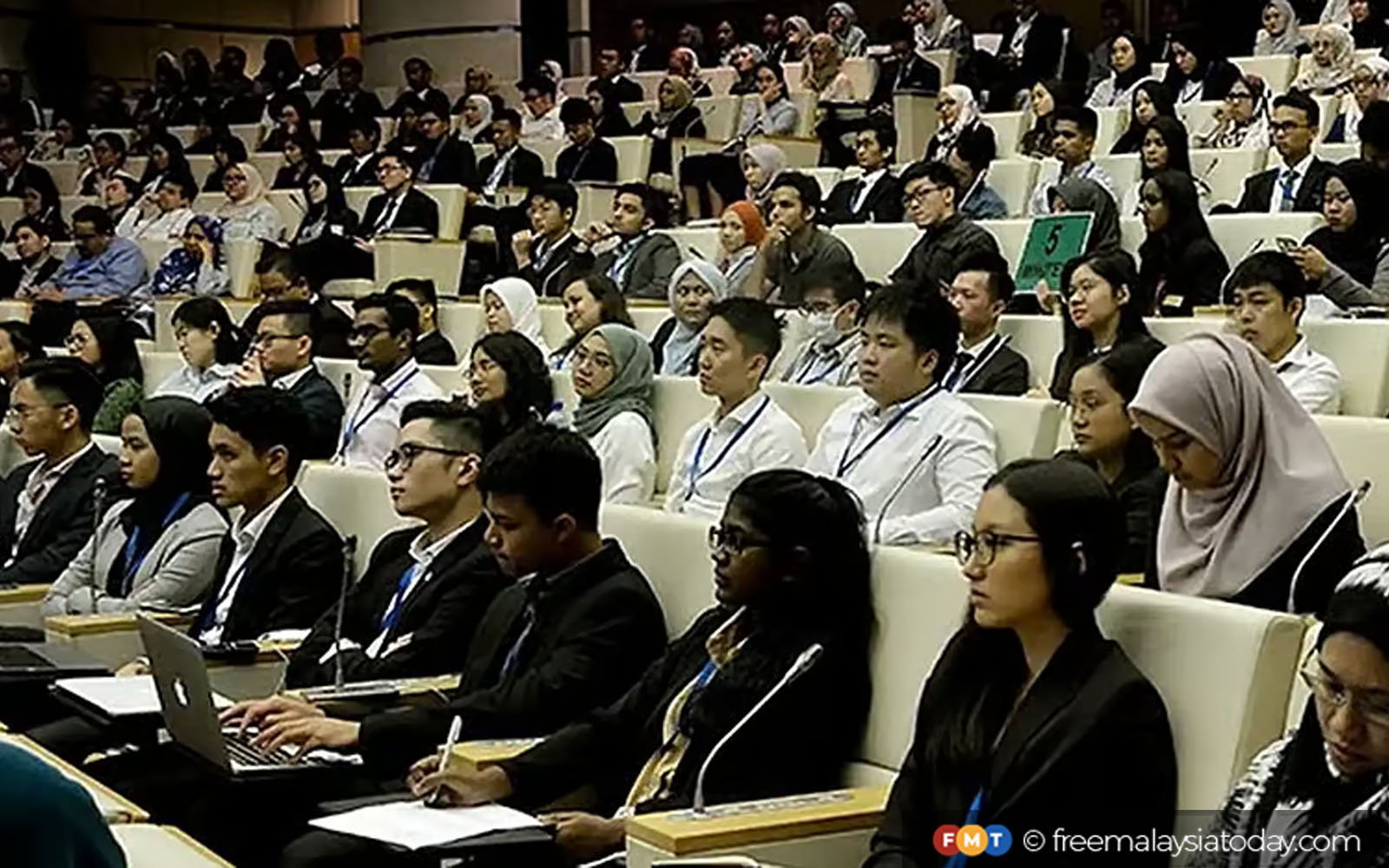
The rapid advancement and adoption of AI technologies is forcing a reckoning within higher education institutions, with stakeholders acknowledging that traditional university models may be inadequate for the emerging digital landscape. Educational leaders are confronting difficult questions about how to integrate AI literacy into existing programmes while maintaining academic rigour and critical thinking skills.
Institutions across South and Southeast Asia are beginning to examine their curricula, teaching methodologies, and administrative systems to determine what transformations are necessary. Universities must balance preparing students to work alongside AI tools with ensuring they develop the foundational knowledge and analytical capabilities that artificial intelligence cannot replicate.
The challenge extends beyond simply adding AI-focused courses. Experts argue that the education system requires deeper structural changes, including revised assessment methods, updated faculty training programmes, and new approaches to interdisciplinary learning. Without such comprehensive reforms, universities may struggle to remain relevant to employers and society.
Several regional institutions have already begun pilot programmes and strategic reviews, though the pace of change remains slower than many technology advocates argue is necessary. The transition from traditional academic structures to a system equipped for the AI era will require sustained commitment from administrators, faculty, and policymakers alike.