Politics · Malaysia Bureau
Universities need ethical training alongside academic freedom push
As Malaysia moves toward repealing the Universities and University Colleges Act, experts warn that simply removing restrictions on student conduct is insufficient without complementary educational reforms to develop critical thinking and responsible citizenship.
LSN Malaysia ·
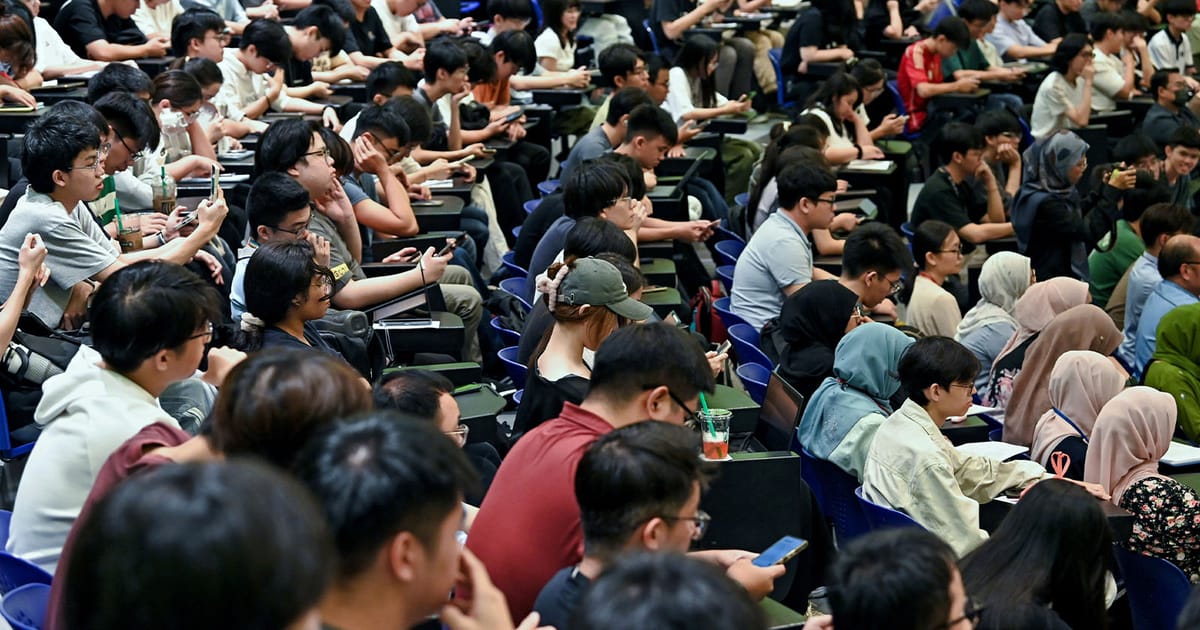
The proposed repeal of the Universities and University Colleges Act (AUKU) represents a significant shift in how Malaysia's higher education system approaches student autonomy and institutional governance. However, stakeholders argue that lifting restrictions on student activism and expression must be accompanied by robust frameworks for developing ethical reasoning and intellectual responsibility.
The current regulatory framework treats university students as subordinates rather than emerging professionals, creating a disconnect between institutional control and the developmental expectations placed on young adults preparing for leadership roles. Lifting these constraints could foster greater civic engagement and intellectual discourse on campuses across the country.
Educators emphasize that repealing restrictive regulations alone will not automatically produce a culture of responsible academic inquiry. Universities must simultaneously invest in curricula that strengthen students' capacity for clear thinking, logical argumentation, and ethical decision-making. These competencies are essential for channeling increased freedom into constructive dialogue and meaningful contribution to society.
The challenge ahead requires a balanced approach: granting students greater autonomy while simultaneously enhancing institutional commitment to cultivating the intellectual and moral frameworks necessary for responsible engagement. Success will depend on whether Malaysian universities can transform themselves into genuine laboratories of critical thought and ethical practice, rather than simply removing administrative constraints without building the supporting educational infrastructure.