Politics · India Bureau
University of Michigan pays $127,500 for surveillance cameras never deployed
The University of Michigan Police Department signed a substantial contract for AI-powered surveillance equipment that was never installed, raising fresh concerns about campus privacy and surveillance spending. The unused investment has drawn scrutiny from legal experts and student groups.
LSN India ·
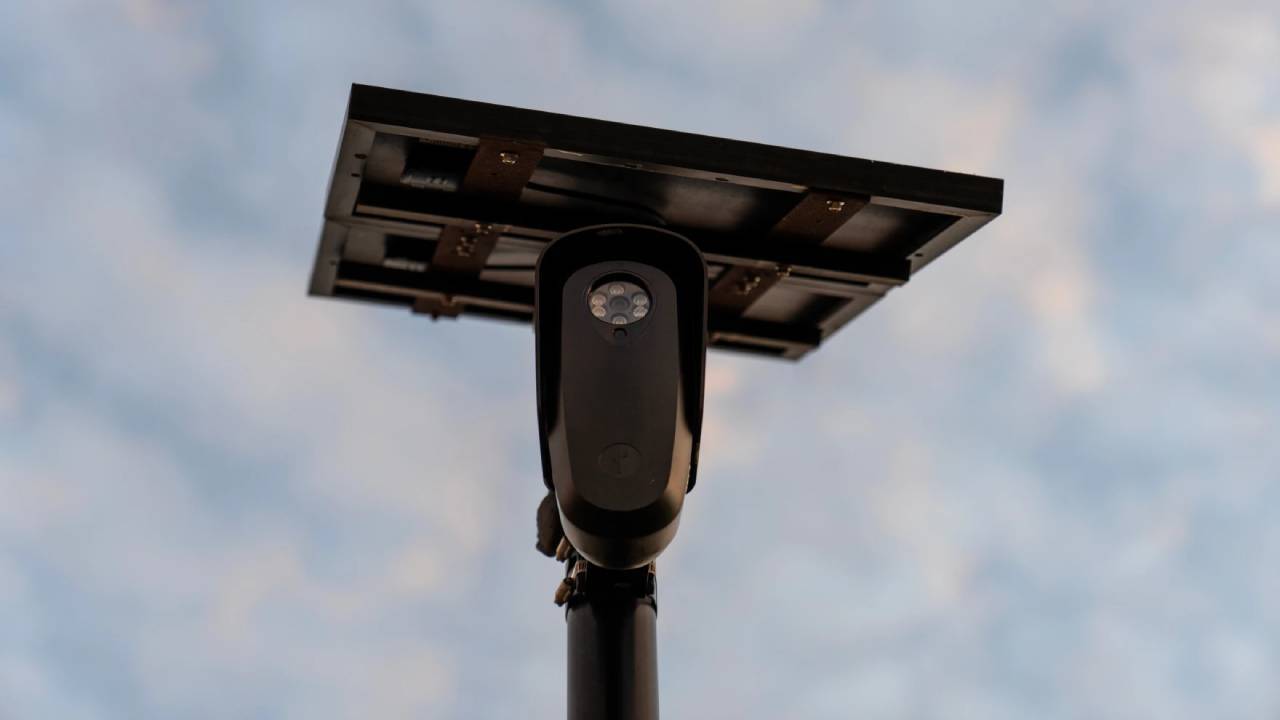
The University of Michigan Police Department entered into a $127,500 contract with Flock Safety for 15 artificial intelligence-enabled surveillance cameras that were ultimately never deployed on campus. The agreement, discovered through official records, had included capabilities for nationwide vehicle tracking and data-sharing arrangements, neither of which materialized into active surveillance infrastructure.
The unexplained gap between the financial commitment and actual implementation has triggered privacy concerns among members of the university community, including legal scholars and student advocates. Critics have questioned both the budgetary rationale behind the expenditure and the broader implications of integrating advanced surveillance technology into campus environments.
The incident reflects wider concerns about surveillance technology adoption on American university campuses, where institutions have increasingly invested in monitoring systems. Legal experts and privacy advocates have raised questions about the necessity, oversight mechanisms, and potential civil liberties implications of such technologies in educational settings.
The University of Michigan Police Department's surveillance contract represents one example of campus law enforcement agencies exploring technological solutions, though deployment challenges and cost considerations have limited actual implementation in many cases. University officials have not yet provided public explanation for the decision not to proceed with camera installation despite the substantial financial outlay.