Politics · India Bureau
Unlikely Alliance: Ambedkar, Periyar Backed Jinnah's 1939 Political Move
Historical records reveal that both B.R. Ambedkar and E.V. Ramasamy Periyar extended support to Muhammad Ali Jinnah's initiative in 1939, marking a rare convergence of influential leaders across religious and ideological divides. The backing came for a symbolic political gesture that reflected broader concerns about Congress party governance.
LSN India ·
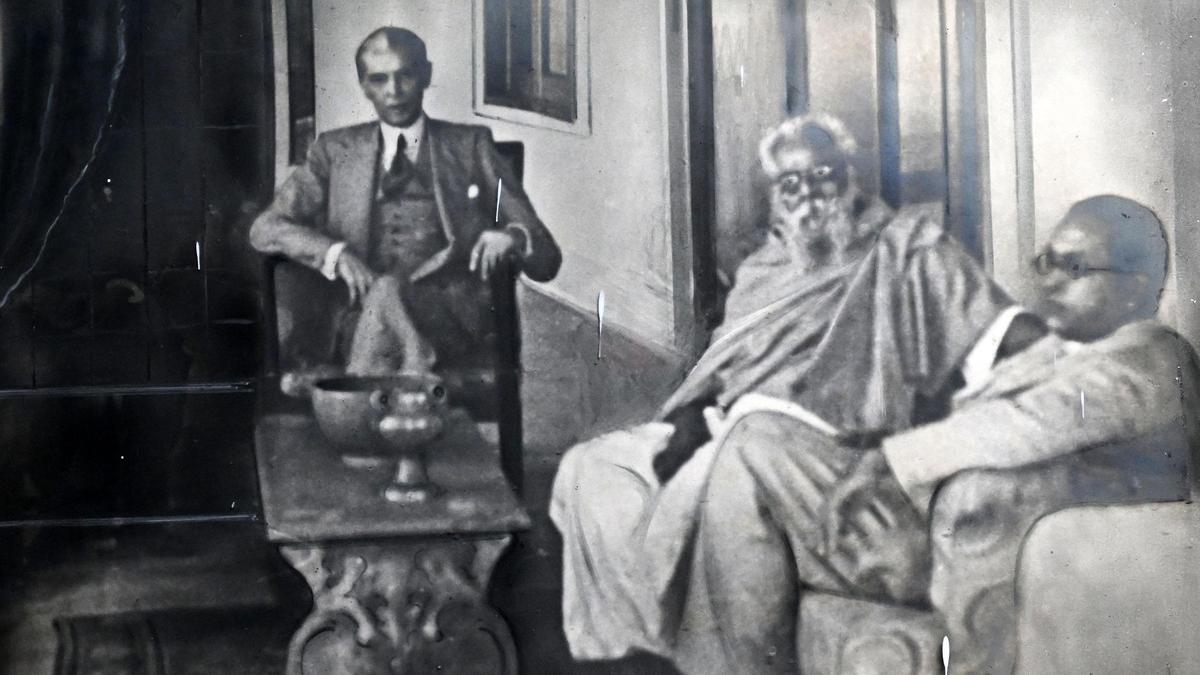
A lesser-known chapter in India's pre-independence political history documents the alignment of three towering figures—B.R. Ambedkar, E.V. Ramasamy Periyar, and Muhammad Ali Jinnah—around a significant moment in December 1939.
Both Ambedkar and Periyar, despite their distinct political trajectories and regional bases of influence, declared their support for Jinnah's call for Muslims to observe December 22, 1939, as a "Day of Deliverance." The observance was initiated in response to the exit of Congress-led governments from several Indian states, a development that triggered varied reactions among political stakeholders of the era.
The convergence represented a complex political moment when leaders grappling with Congress dominance found tactical common ground, even as their larger visions for India's future remained substantially different. Ambedkar's advocacy for social reform and constitutional protection of marginalized communities, Periyar's fierce opposition to Brahminical orthodoxy, and Jinnah's articulation of Muslim political interests appeared, at least momentarily, to align on this particular issue.
Historians regard this episode as illustrative of the fluid and multifaceted nature of pre-independence Indian politics, where ideological opponents occasionally coordinated on specific grievances while maintaining fundamentally divergent worldviews. The "Day of Deliverance" initiative itself became a footnote in the larger narrative of independence, overshadowed by subsequent political developments that would reshape the subcontinent.